
Oak Hall Seat Furniture
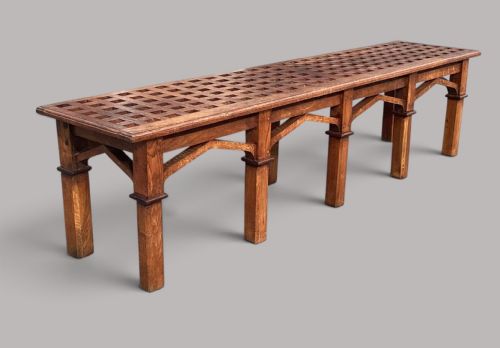
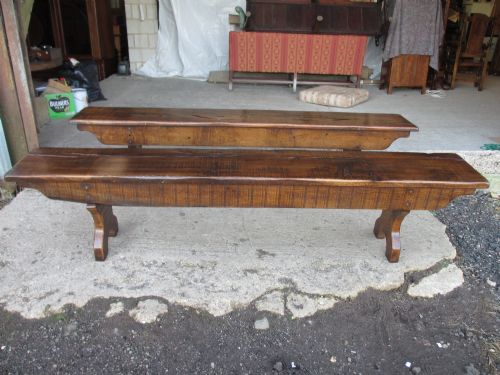
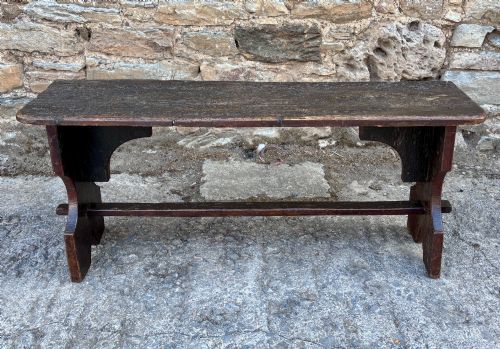
Oak hall seat furniture comprises robust benches, settles and stands designed for entranceways, built to endure daily use.
Oak Hall Seat Furniture
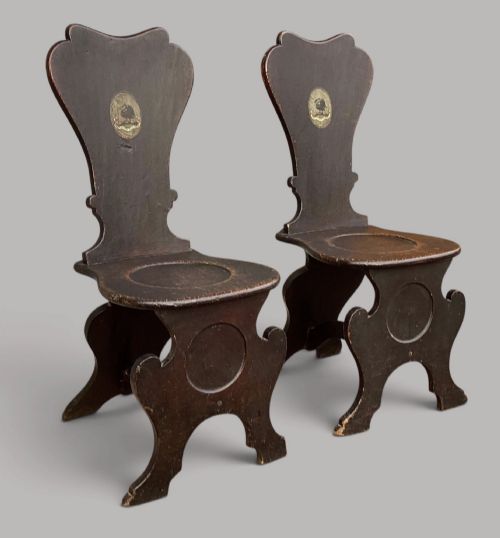
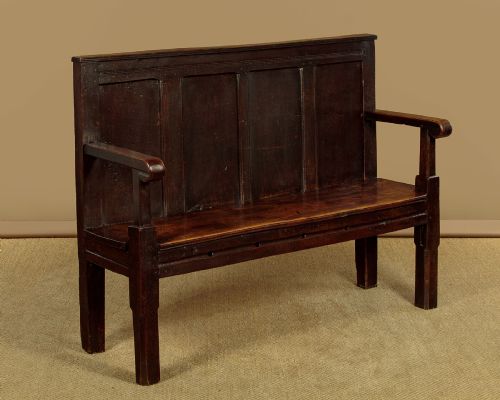
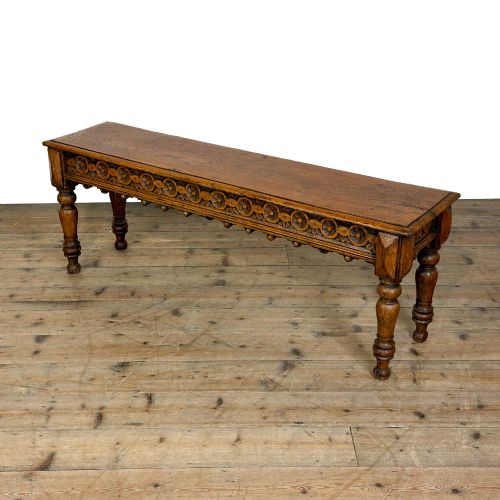
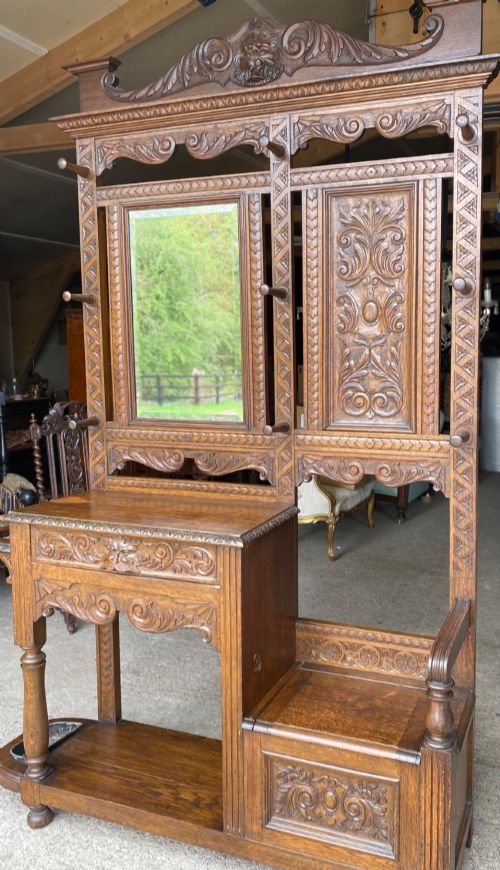
When searching for oak hall seat furniture, buyers encounter forms ranging from simple benches and settles to high-backed hall stands with integrated stick holders. The selection spans the eighteenth, nineteenth and early twentieth centuries, reflecting changing domestic requirements in hallways and passages.
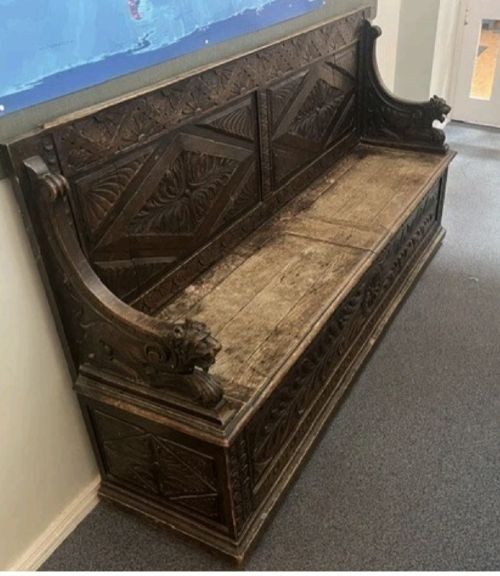
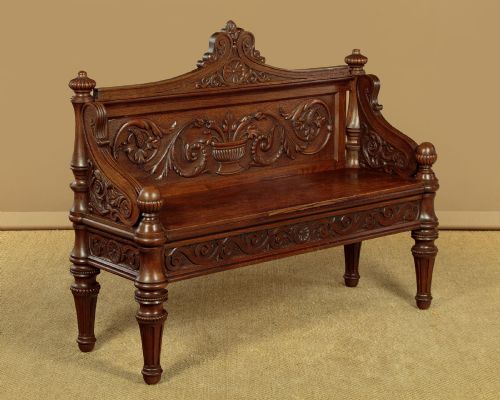
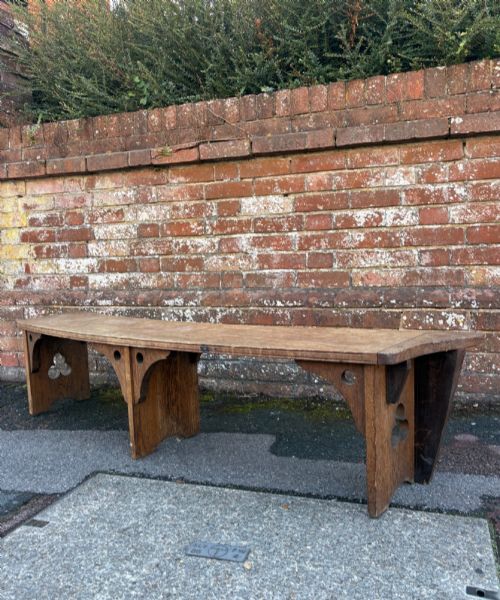
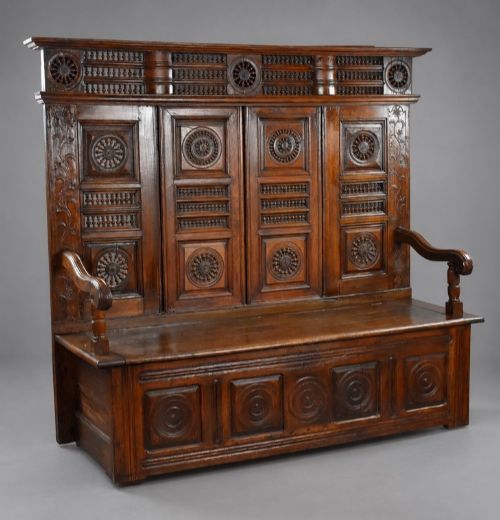
The nineteenth century yields numerous examples in Gothic Revival, Jacobean Revival and Arts and Crafts styles, often featuring carved panels, trefoil supports or canopy tops. Earlier pieces from the eighteenth century include panel-back and box settles designed to retain warmth in draughty rooms.
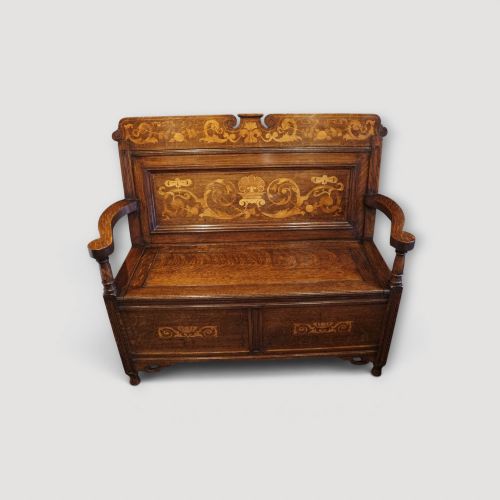
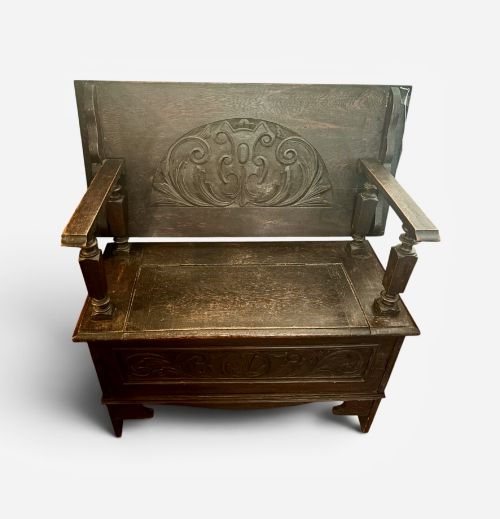
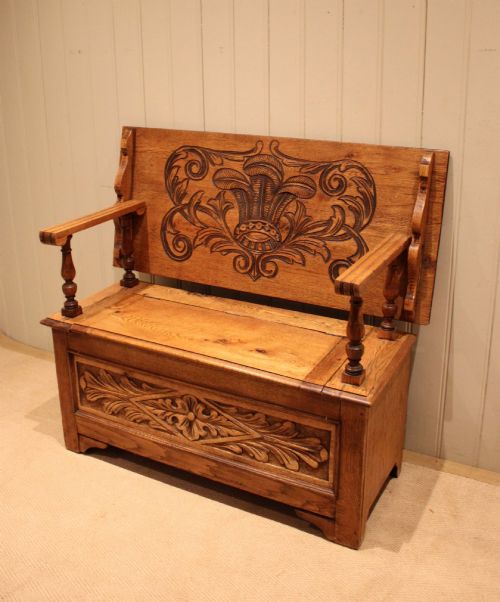
Forms also encompass monk's benches with fold-over tops and lift-up storage compartments. These practical items provide seating alongside enclosed space for hats, boots or miscellaneous belongings.
Construction and Materials
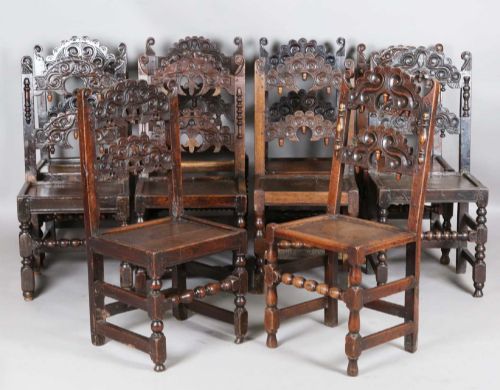
Solid oak forms the primary structural material, augmented occasionally by secondary timbers such as ash or cherrywood. Joinery relies on traditional methods including panel construction, mortise and tenon joints and pegged frames.
Metal elements appear in the form of brass mounts, iron hooks and fittings designed to secure structural components or hold umbrellas and sticks. Surface treatment often involves waxing to preserve the grain and tone of the timber.
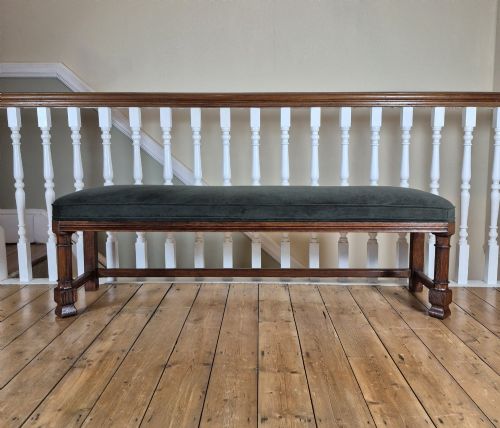
Upholstery, when present, incorporates fabric, velvet, rush or leather secured to seat pads or back panels. Decorative detailing is achieved through carving, applied mouldings and armorial crests.
Materials recorded across the inventory include solid oak, brass, iron, rush, velvet and occasional secondary woods like cherry and ash.
Quality and Distinction
The standard of carving distinguishes standard production from superior pieces, with crisp relief work and balanced proportions indicating higher workmanship. Integration of design, such as harmonious canopy tops or well-balanced trestle ends, marks out better workshop output.
Originality of components, including hinges, panels and timber patination, separates unaltered examples from those assembled from disparate elements or heavily restored later. Maker attribution through stamps or documented provenance adds distinction to individual items.
GIllows·James Shoolbred & Co.·Liberty
The Oak Hall Seat Furniture Glossary
- Settle
- A wooden bench with a high back, solid arms and often a box base beneath the seat. This form provided shelter from draughts in entrance halls and living spaces.
- Monk's bench
- A multi-functional seat featuring a hinged back that folds down to form a table top. This dual-purpose item suited smaller rooms and hallways.
- Box settle
- A settle incorporating a compartment beneath the seat accessed by lifting the lid. It offered concealed storage for garments and household items.
- Hall stand
- A piece combining a seat with vertical panels, mirror plates, hooks and umbrella racks. It served as a complete entryway furniture unit for outerwear.
- Jacobean Revival
- A nineteenth-century design style emulating seventeenth-century English furnishings. It utilises heavy proportions, geometric panelling and deep relief carving.
Oak Hall Seat Furniture: Frequently Asked Questions
What is a box settle?
A box settle combines a high-backed wooden bench with a storage compartment built into the base beneath the seat. The lid lifts to allow access to the interior.
Historically placed in hallways or kitchens, this furniture piece provided seating while keeping boots, blankets or cloaks stored out of sight.
Where were hall stands placed?
Hall stands were positioned immediately inside the front door of a house to manage outdoor garments. They provided a place to sit while removing boots.
The integrated hooks, mirrors and umbrella wells kept coats, hats and walking sticks organised in the entranceway.
How do I date an oak settle?
Dating relies on construction methods, timber characteristics and stylistic markers such as panel thickness and jointing. Eighteenth-century examples often display pegged joinery and hand-planed surfaces.
Nineteenth-century revival pieces tend to feature heavier machine-cut elements, crisper mechanical carving and specific historical revival motifs like Gothic tracery.