
Oak Hall Bench Seat
When choosing an oak hall bench seat, you are selecting a practical piece of entrance furniture designed to anchor a hallway with traditional warmth and sturdy seating.
Oak Hall Bench Seat
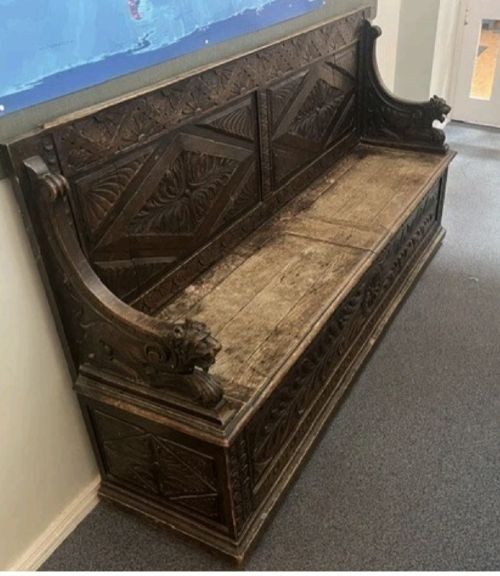
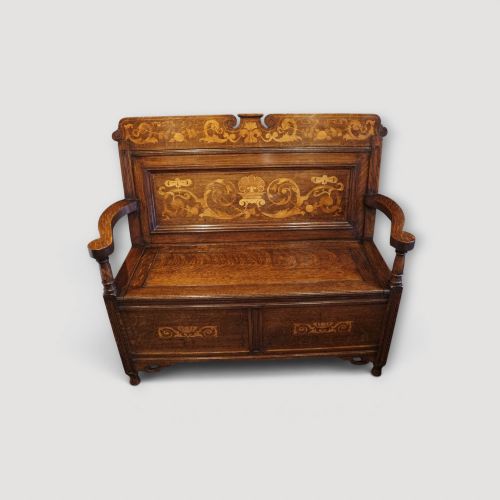
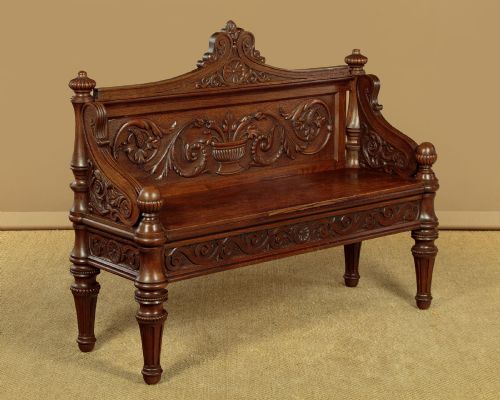
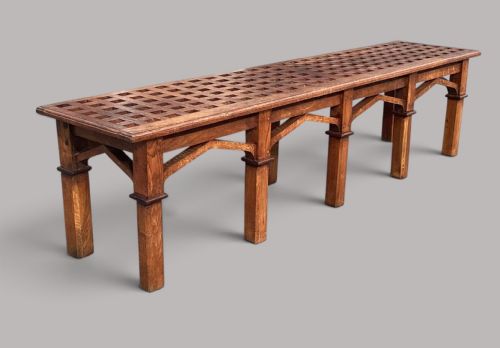
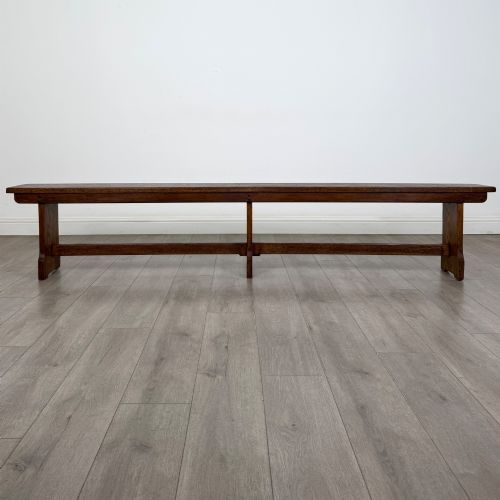
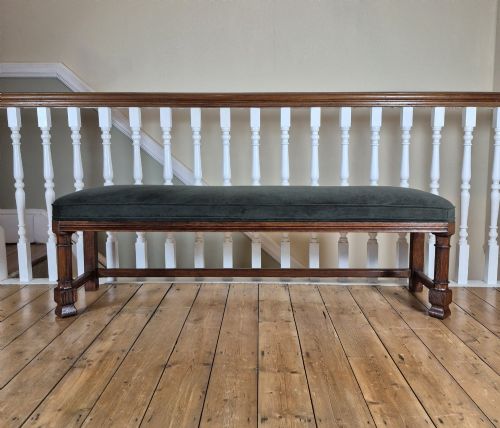
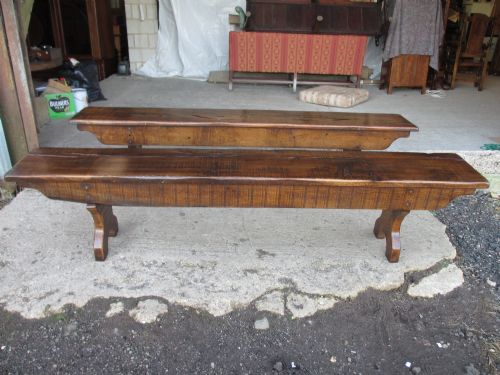
An oak hall bench seat serves as functional entrance furniture, providing both a place to sit and often integrated storage within a narrow corridor or porch. These items span simple planked forms from the Georgian and 18th century periods to more elaborate high-backed settles and Victorian carved variations.
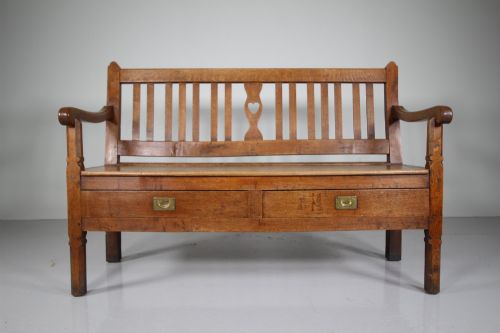
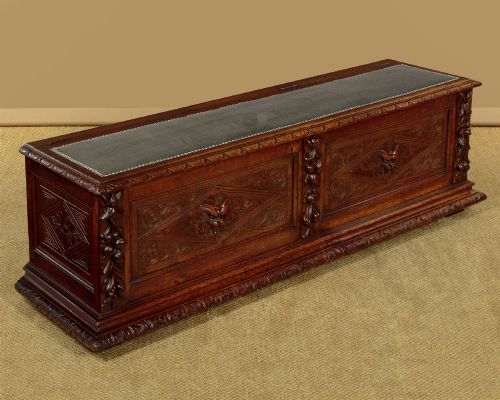
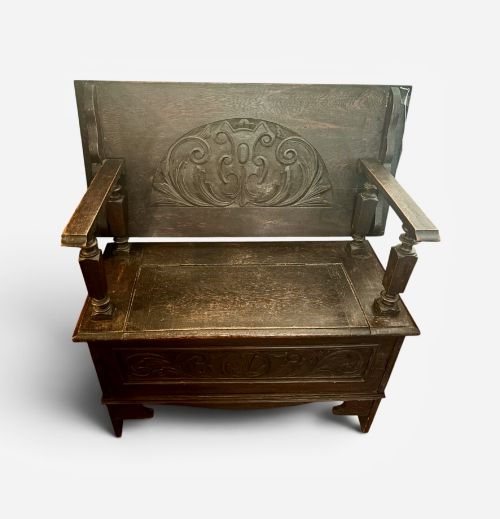
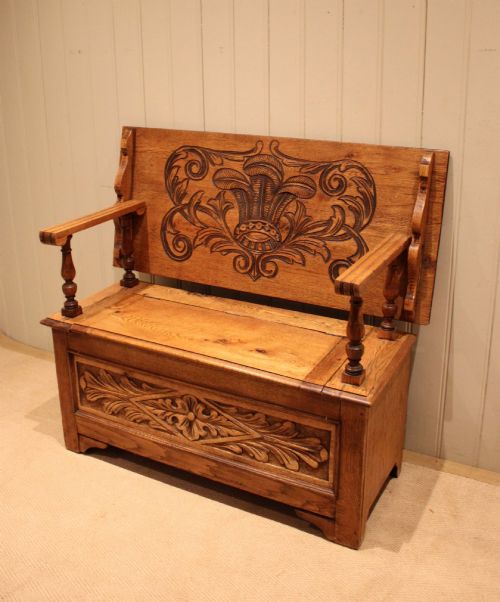
The most common versions encountered on this page include Victorian and Edwardian examples featuring solid oak construction, hinged storage compartments, and stylistic nods such as Gothic revival or Arts and Crafts influences. Many incorporate practical additions like stick stands or fold-over tables, known as monk's benches.
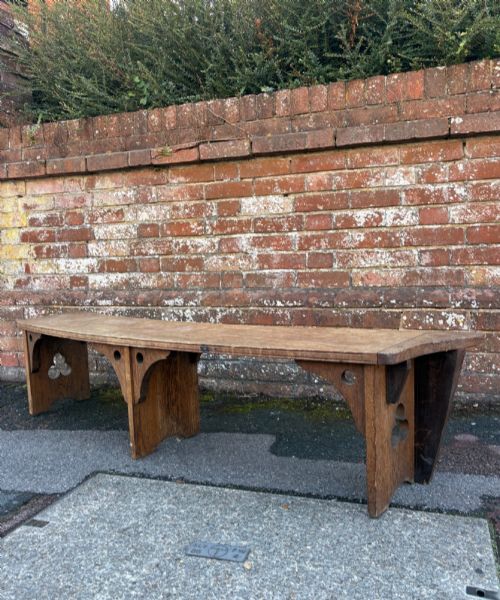
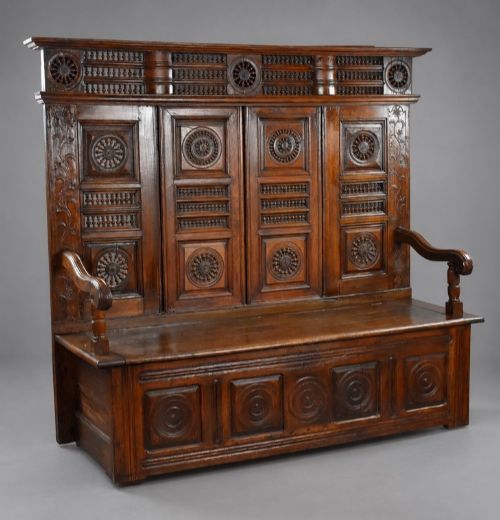
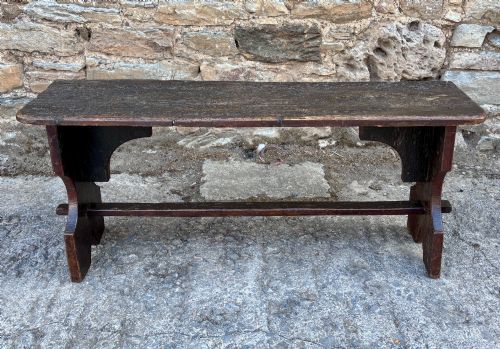
Earlier iterations from the 18th century often take the form of high-back box settles, designed to keep draughts away from entranceways. Later pieces from around 1890 to 1920 lean toward architectural forms, decorative panel backings, and shaped trestle ends.
How they were made
Carpenters relied primarily on solid oak, utilising traditional frame and panel construction to accommodate the natural expansion and contraction of the timber. Joinery frequently employed pegged mortise and tenon joints to ensure rigidity without metal fasteners.
Surface finishing typically involved waxing or oiling the solid oak to protect the grain while developing a deep patina over decades of use. Secondary materials such as iron, brass, leather, and fabric appear selectively for hinges, coat hooks, or upholstered seat pads.
Several versions double as tables or shoe cupboards, proving our ancestors loved multitasking furniture just as much as we do.
What varies in quality
The distinction between standard utility items and finer examples rests upon the depth and crispness of the hand-carved ornamentation, such as linenfold panels or trefoil supports. Well-executed architectural framing and well-proportioned turned or shaped trestle ends elevate a piece beyond simple vernacular utility.
Construction integrity defines the upper tier, visible in the careful selection of solid timber quartersawn to display medullary rays. Original elements like working iron or brass hardware and intact lift-up box lids also mark out superior survivals.
GIllows·James Shoolbred And Co
The Oak Hall Bench Seat Glossary
- Settle
- A wooden wooden bench with a high back, solid arms, and often a box compartment beneath the seat for storage. This form kept chilly draughts away from doorways in older homes.
- Monk's bench
- A multi-functional piece featuring a hinged back that folds down flat over the arms to form a table top. It offered dual utility in compact living spaces.
- Box settle
- A heavy oak bench incorporating a lidded compartment beneath the seat boards. It provided secure storage for heavy textiles or hearth equipment.
- Trefoil
- A three-lobed decorative carving resembling a clover leaf. This motif frequently appears on Gothic revival and Arts and Crafts architectural supports.
- Bobbin turned
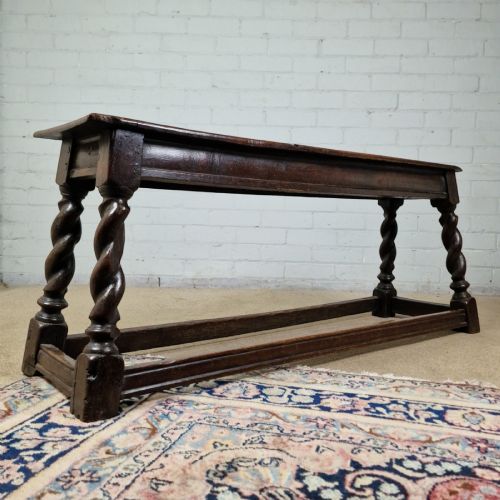
- A style of furniture leg or stretcher shaped on a lathe to resemble a string of beads or bobbins. It is a common decorative detail on 17th and 19th-century turned supports.
Oak Hall Bench Seat: Frequently Asked Questions
What is an oak hall bench seat used for?
These pieces were traditionally placed in entrance halls and corridors to provide a sturdy seat while putting on or removing footwear. Many designs also offered concealed storage beneath the lid for keeping outdoor garments and accessories out of sight.
In older properties, high-backed versions served the vital secondary purpose of blocking cold draughts blowing in from front doors. Over time, variations evolved to include integrated umbrella stands and fold-over tabletops for added versatility.
How do I tell an 18th-century settle from a Victorian copy?
Eighteenth-century examples typically display hand-pegged joinery, wider boards showing irregular pit sawing, and a deeper, drier surface patina accumulated over centuries of wear. The construction methods reflect vernacular joinery traditions rather than mass-produced uniformity.
Victorian and later revival pieces often feature machine-sawn timber, sharper mechanical carving, and heavier applied mouldings characteristic of Gothic or Jacobean revivals. Interior box spaces on older pieces may show hand-planed tool marks absent in later standardised production.
Will a heavy oak hall bench fit in a modern hallway?
Many surviving examples were constructed with relatively narrow proportions specifically to suit confined passageways and entrance porches. However, high-backed and canopy-topped variants require careful measurement of both floor space and ceiling clearance.
Checking the depth of the seat and the swing radius of any lift-up lid ensures the piece functions comfortably in tighter modern spaces. Slimmer Edwardian or Arts and Crafts models generally offer a lighter visual footprint.
How should I care for a waxed solid oak bench?
Solid oak benefits from occasional applications of beeswax to nourish the timber and maintain a soft, protective sheen. Keeping the wood away from direct heat sources prevents the panels from drying out and splitting.
Dusting with a dry, soft cloth prevents particle buildup in carved recesses and intricate panel grooves. Avoid placing damp items directly onto unsealed historic surfaces to prevent water staining.