




Oak Framed Sporting Art
Oak framed sporting art brings the fields, tracks and hunts of past centuries directly to the wall in sturdy timber surrounds.
Oak Framed Sporting Art
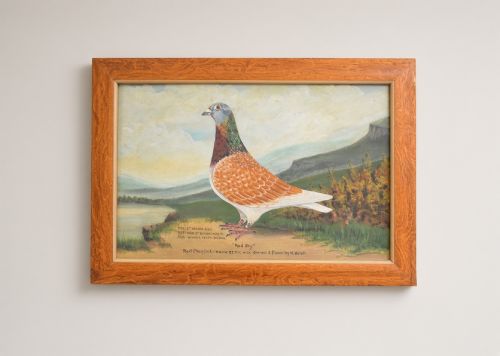
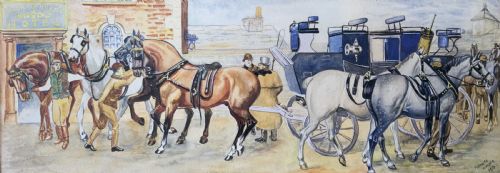
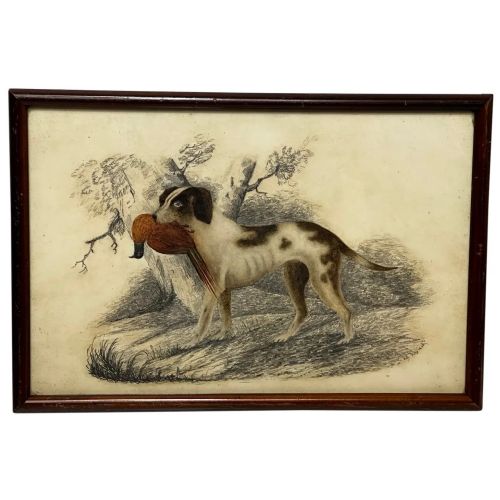
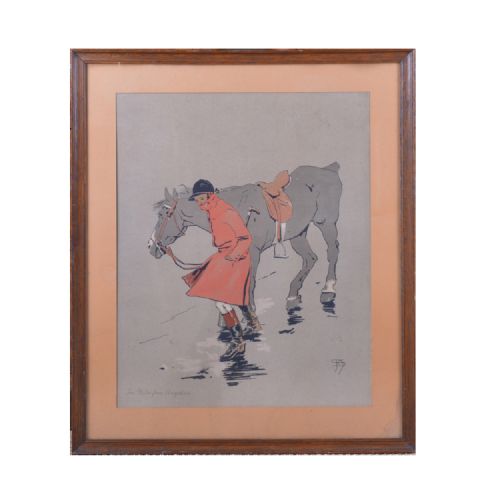
When you search for oak framed sporting art, you are looking at visual records of equestrian pursuits, hunting scenes and racing subjects housed in robust wooden mouldings. These pieces span from the Georgian era through the Victorian and Edwardian periods into the mid-twentieth century, capturing the energy of horses, hounds and rural pastimes. The examples you are most likely to meet on this page include watercolours, original prints and oil paintings protected behind glass within simple or carved oak frames.
The subjects range from solitary portraits of named horses such as Balmoral to sequential hunting scenes by notable hands like Charles Johnson Payne Snaffles. You will find both intimate watercolours on paper and larger oil paintings on wood panels or canvas boards, each reflecting the changing tastes in rural illustration across successive decades.
Materials and techniques
The physical build of these works relies on traditional painterly mediums combined with native timber framing. Artists applied oil paint or watercolour on paper, wood and canvas, often finishing the works with protective glass layers. The accompanying frames are predominantly fashioned from solid oak, sometimes featuring marquetry work or simple moulded profiles designed to complement the artwork without distraction.
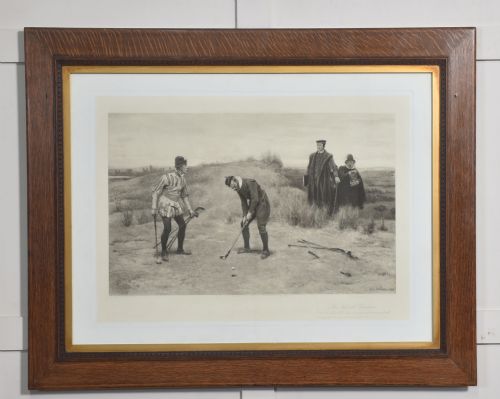
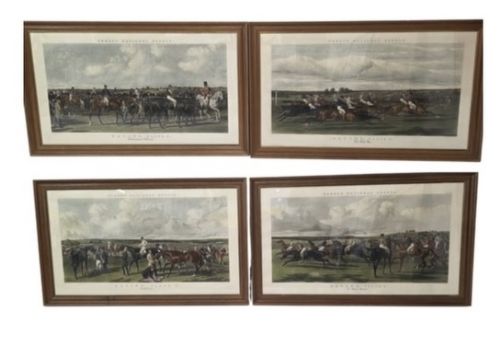
Printmakers utilised chromolithography and traditional engraving techniques to reproduce popular compositions for broader domestic display. These printed works were subsequently mounted and glazed within oak surrounds, ensuring the paper beneath remained protected from household dust and moisture.
Oak Framed Sporting Art Retail Price Guide 2026
Typical asking prices for oak framed sporting art among the pieces listed under this phrase on Sellingantiques today, from the lower quarter to the upper quarter. They describe what is for sale here now, not the wider market.
Listings feature works executed in oil paint, watercolour, and chromolithography, housed within glass-fronted oak frames.
Distinctions in quality
Quality in these pieces rests primarily upon the skill of the draughtsmanship and the authenticity of the medium. Works executed directly by the hand of established artists display a precision in animal anatomy and movement that mass reproductions lack. The preservation of the paper or canvas, free from heavy foxing or fading, also separates finer examples from standard decorative items.
The relationship between the artwork and its oak frame further defines the standard of the piece. Period frames that complement the exact date of the painting or print hold greater integrity than later replacements, while detailed additions such as marquetry panels demonstrate a higher tier of craftsmanship.
The Oak Framed Sporting Art Glossary
- Chromolithography
- A planographic colour printing technique used to produce multi-coloured pictorial works. This method allowed publishers to distribute faithful reproductions of popular sporting paintings to a wider audience.
- Marquetry
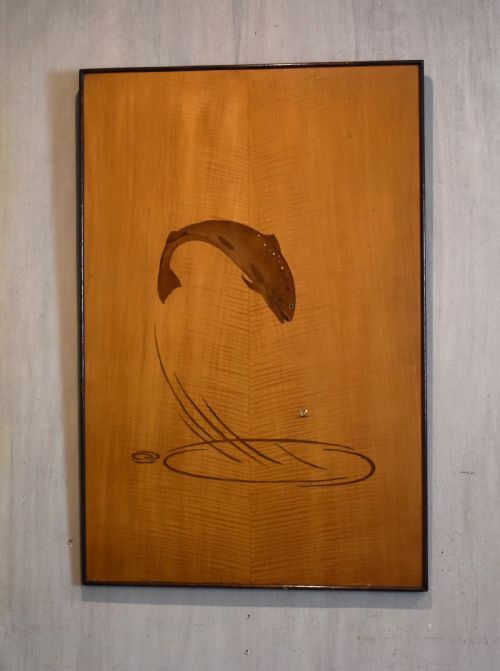
- The art of applying pieces of veneer to a structure to form decorative patterns and pictorial designs. In certain panels, differing tones of wood are utilised to depict wildlife scenes.
- Foxing
- The yellowish-brown spots and stains that commonly appear on older paper due to chemical reactions. It is a frequent characteristic of antique watercolours and prints.
- Engraving
- A printmaking process where an artist cuts lines into a metal plate to hold ink. The resulting image is transferred onto paper under pressure.
Oak Framed Sporting Art: Frequently Asked Questions
How do I date an oak frame?
Dating a frame requires looking at the construction joints, the profile of the moulding and the type of fixings used at the back. Earlier frames often display hand-cut joints and denser timber patination.
Changes in interior fashion influenced frame design across the Victorian and Edwardian periods, moving from heavy ornamentation to simpler, cleaner oak profiles.
Where should I hang these pieces?
These works suit traditional studies, libraries or hallways where timber furniture and neutral wall colours predominate. They benefit from placement away from direct sunlight to protect watercolours and paper prints from fading.
Because the frames are substantial in weight, ensure secure wall fixings are used to support the combined heaviness of the wood and glass.
What defines a sporting art scene?
Sporting art depicts rural pastimes, notably horse racing, fox hunting, shooting and portraits of prized animals. These subjects reflect the social history and leisure interests of the British landed gentry.
Artists focused heavily on capturing the exact conformation of horses and the dynamic action of hounds in pursuit.