





Vintage Chromolithograph Artwork
These vintage chromolithograph artwork pieces bring vibrant multi-coloured ink printing from the nineteenth and early twentieth centuries straight to your walls.
Vintage Chromolithograph Artwork
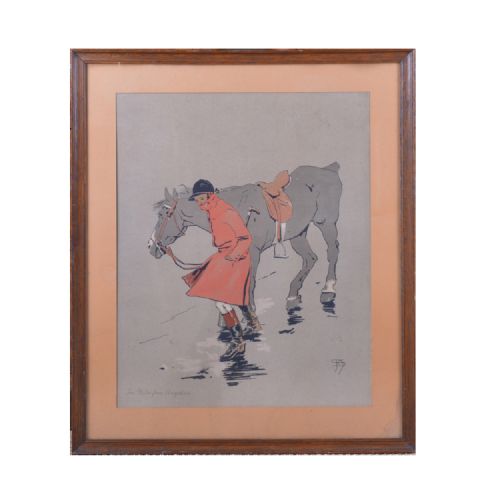
Vintage chromolithograph artwork comprises multi-coloured printed images produced using lithographic stones during the nineteenth and early twentieth centuries. These pieces cover diverse subjects ranging from advertising and sporting scenes to domestic animal studies and society portraits.
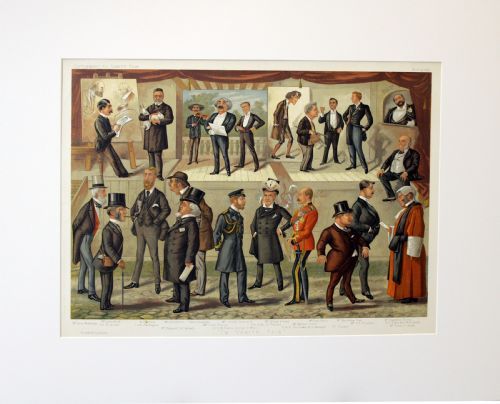
You are most likely to encounter framed prints and double page plates originating from Victorian and Edwardian periods. Examples include famous advertising prints for Pears Soap, Vanity Fair caricatures, and detailed depictions of animals or classical subjects.
The format typically involves paper or cardboard mounted beneath glass within wooden frames, occasionally incorporating gold leaf or gilt details. These works capture the rich coloration and intricate detail characteristic of advanced commercial printing before modern photographic methods dominated.
How they were made
Makers utilised multiple lithographic limestone blocks, applying a separate ink colour for each individual stone to build up the rich layered image on paper. This painstaking registration process allowed publishers to achieve remarkably deep hues and subtle tonal shifts without hand painting.
Finished prints were frequently laid onto mount board or cardboard backings and secured inside wooden frames behind glass for display. Some pieces also integrated delicate gold leaf or gilt embellishments to highlight specific decorative elements within the composition.
Vintage Chromolithograph Artwork Retail Price Guide 2026
Typical asking prices for vintage chromolithograph artwork among the pieces listed under this phrase on Sellingantiques today, from the lower quarter to the upper quarter. They describe what is for sale here now, not the wider market.
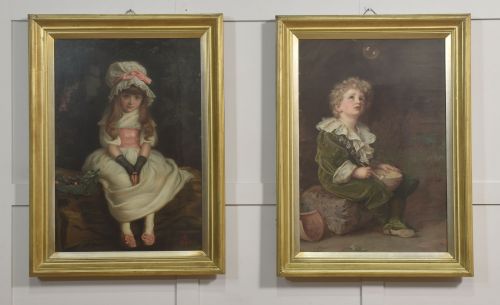
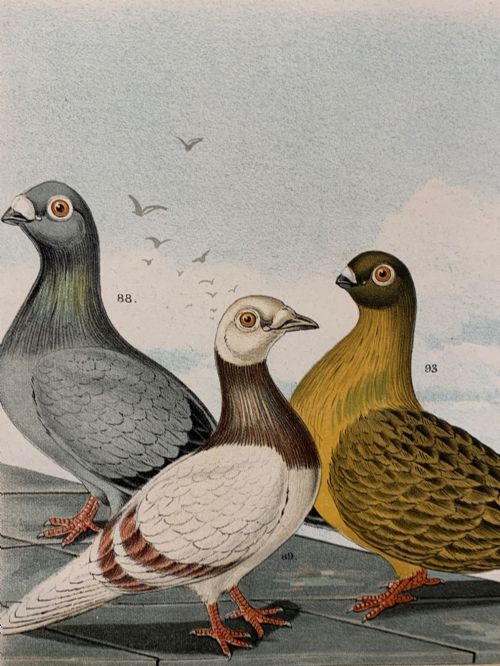
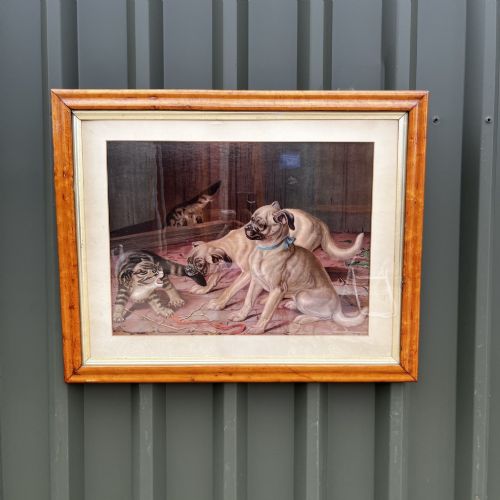
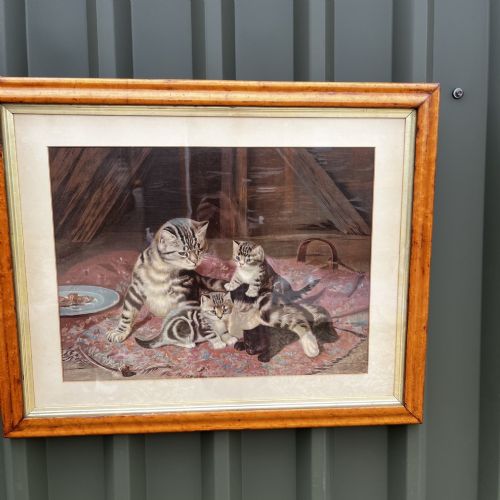
Pugs, cats, pigeons, and soap advertisements share the stage, proving the Victorians took their pets and their lather remarkably seriously.
What varies in quality
The precision of colour registration dictates the visual crispness of the final image, separating finely aligned multi-stone prints from simpler impressions. Sharp definition across intricate details points to superior technical execution during the printing process.
The condition of the paper surface, the presence of original framing materials, and the vibrancy of the surviving ink directly influence the visual impact of the piece. Well-preserved sheets retain their original depth of tone without excessive fading or paper discolouration.
Horatio Henry Couldrey·Frank Algernon Stewart
The Vintage Chromolithograph Artwork Glossary
- Chromolithograph
- A colour lithographic print produced from multiple stones, each applying a distinct ink hue. This technique created rich, painterly reproductions popular throughout the Victorian era.
- Vanity Fair
- A weekly British periodical known for its satirical coloured portrait lithographs depicting prominent public figures. These double-page prints remain highly sought after by collectors.
- Chrystoleum
- A technique where a plain or coloured print was affixed to glass, made transparent, and hand-painted from behind before being framed. It creates a luminous, almost three-dimensional appearance.
- Gilt
- A thin layer of gold or gold-like material applied to frames or directly onto parts of the print surface to add decorative radiance. It enhances the visual weight of the presentation.
Vintage Chromolithograph Artwork: Frequently Asked Questions
How do I date a chromolithograph?
Dating relies primarily on the publishing context, paper type, and stylistic clues within the subject matter, such as Victorian costume or Edwardian typography. Examining known publication runs for periodicals like Vanity Fair or annuals provides precise production windows.
Associated framing materials and publisher stamps on the mount board also offer reliable chronological markers for these nineteenth and early twentieth century works.
Are these prints hand painted?
Most chromolithographs derive their entire colour scheme from the precise application of multiple lithographic ink stones rather than subsequent brushwork. Every distinct shade requires a separate stone and printing pass.
While some related Victorian forms like chrystoleums involve hand painting behind glass, standard chromolithographs achieve their rich palette purely through mechanical colour layering.
How should I hang framed prints?
Keep framed paper works away from direct sunlight to prevent the coloured inks from fading over time. Stable indoor humidity levels protect both the paper support and the wooden frame.
Secure hanging hardware suitable for the weight of the wood and glass ensures the piece remains safely displayed on your wall.
What subjects are most common?
The surviving selection leans heavily toward British sporting art, satirical society portraits, and familiar Victorian advertising icons like Pears Soap. Animal studies, particularly domestic pets and livestock breeds, also appear frequently.
Renaissance revival subjects and classical artistic reproductions represent another prominent category found within this period of printing.