


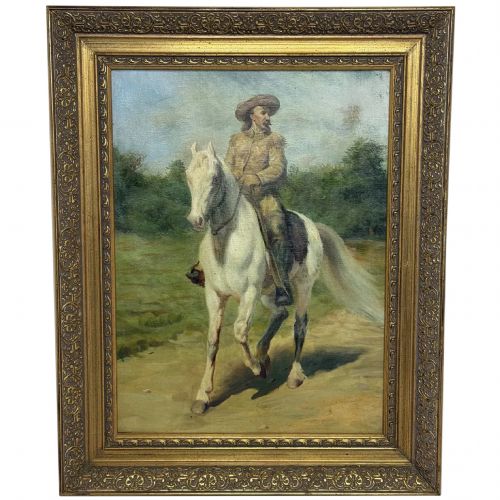


Grey Horse Wall Art
Grey horse wall art gathers centuries of equine portraiture and sporting scenes, offering a direct window into historical human-animal bonds.
Grey Horse Wall Art
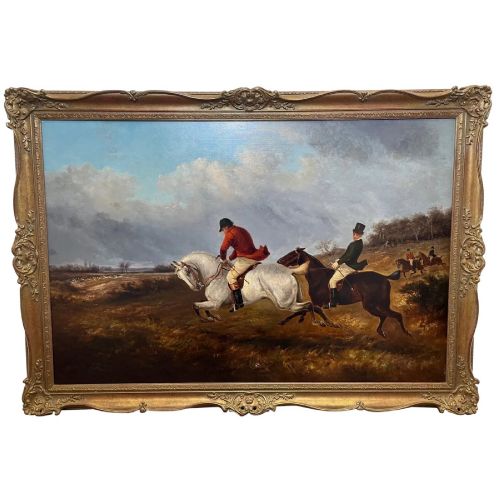
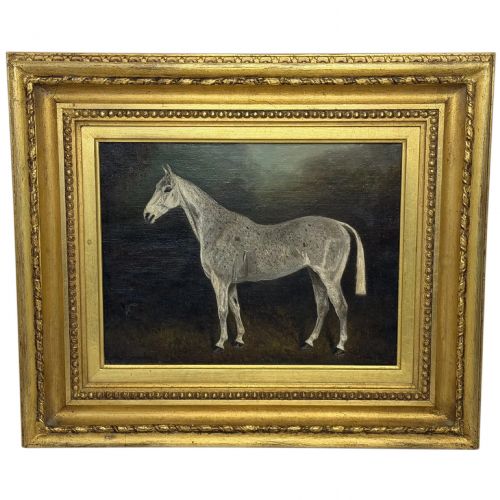
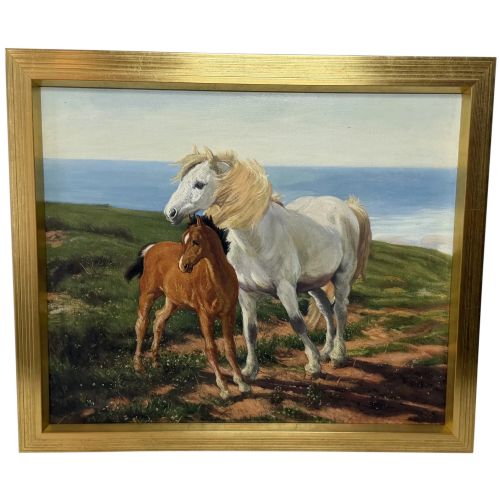
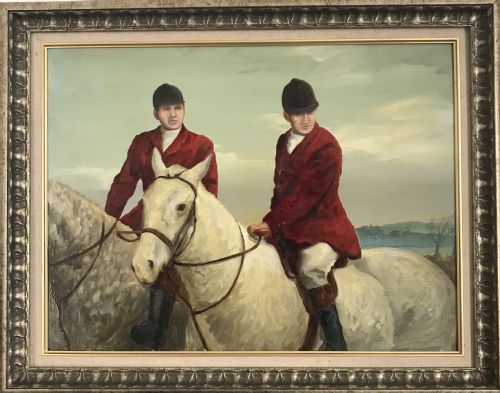
Grey horse wall art encompasses traditional oil paintings, watercolours, pastels, and framed prints depicting equines in fields, hunt scenes, and portraits. These works range from Victorian sporting depictions to mid-century modern interpretations.
The pieces most frequently met on this page include nineteenth-century oils and mid-twentieth-century watercolours and pastels. Subjects stretch from working farm animals and heavy shires to aristocratic hunters and racing mares.
Origins span British schools, European masters, and traditional craft traditions such as embroidered saddle covers. Each medium captures the distinct silvery coats and muscular forms of grey horses against rural or landscape backgrounds.
Materials and Techniques
Artists relied primarily on oil paint on canvas or board to build rich textures and deep tones in traditional equine portraits. Watercolours and pastels on paper offer a lighter touch, often utilised for rapid sketches and detailed studies of form.
Support materials include traditional stretched canvas, heavy paper, and textured card, frequently housed within period wooden frames. Relief pieces utilise moulded marble dust, while textile examples involve detailed embroidery on fabric.
Buffalo Bill occasionally rides onto the page alongside traditional English hunting shires and Uzbek ceremonial saddle covers.
Evaluating Quality
Anatomy and movement separate accomplished equine portraiture from rigid or stiff depictions of animals. The handling of light on a grey coat and the natural integration of the horse into its landscape setting distinguish superior hands.
Condition of the surface, whether oil paint, watercolour, or pastel, dictates visual clarity. Original framing and the presence of artist signatures or documented provenances further elevate individual works within the range.
Thomas Smythe·John Rattenbury Skeaping·Hazel M Barnett·Basil Nightingale·Edwin Frederic Holt·Clifton Tomson·William J Hodgson·Frank Algernon Stewart·John Baragwanath King
The Grey Horse Wall Art Glossary
- Equine portrait
- A picture created specifically to record the likeness and conformation of a particular horse. These works often include specific named animals and their handlers.
- Sporting art
- Depictions of rural pastimes, particularly fox hunting, horse racing, and shooting. This genre places animals and hounds in active countryside settings.
- Pastel
- A dry medium consisting of powdered pigment and a binder, shaped into sticks. Artists apply it to paper to achieve soft, blended colour transitions.
- Chromolithograph
- A multicoloured print produced through lithographic stones. This technique allowed nineteenth-century publishers to replicate oil paintings and watercolours accurately.
- Grisette
- A term historically used in naming specific horses or denoting coat colours. In the context of equine art, it often identifies the exact subject of a portrait.
Grey Horse Wall Art: Frequently Asked Questions
How do I care for antique horse watercolours?
Keep watercolours away from direct sunlight to prevent the pigments and paper from fading over time. Display them behind glass with conservation-grade mounts that prevent the paper from touching the glazing directly.
Maintain stable room temperatures and low humidity to protect both the paper support and the historical wooden frames from warping or mould growth.
What is the difference between an oil painting and a pastel?
Oil paintings use pigments suspended in drying oils applied to canvas or wood panels, creating durable, layered surfaces with deep lustres. Pastels are essentially pure powdered pigment held together by a binder, applied dry to paper to produce velvety textures.
Because pastels lack a liquid binder layer, they remain extremely delicate and require protective glass framing to avoid smudging or loss of pigment.
How can I tell a Victorian painting from a mid-century one?
Victorian equine art typically emphasises formal realism, detailed anatomy, and dramatic narrative lighting within hunting or coaching scenes. Mid-century works often embrace looser brushwork, modernist compositions, and simplified forms.
Examining the canvas preparation, framing style, and stretcher construction also helps confirm the manufacturing period of the backing materials.
Where were these pieces originally displayed?
Equine art was traditionally commissioned for country houses, estate libraries, and sporting lodges to celebrate prized animals and successful hunts. They served as markers of status, land ownership, and sporting achievements for the landed gentry.
Smaller watercolours and drawings were frequently kept in private portfolios or displayed in domestic parlours and studies.