
Vintage Equestrian Portrait
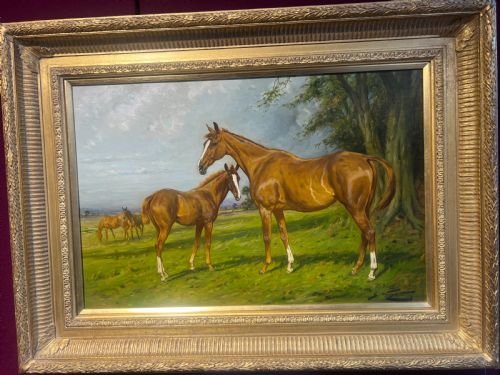
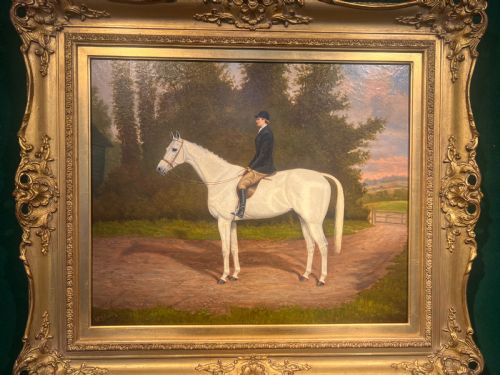
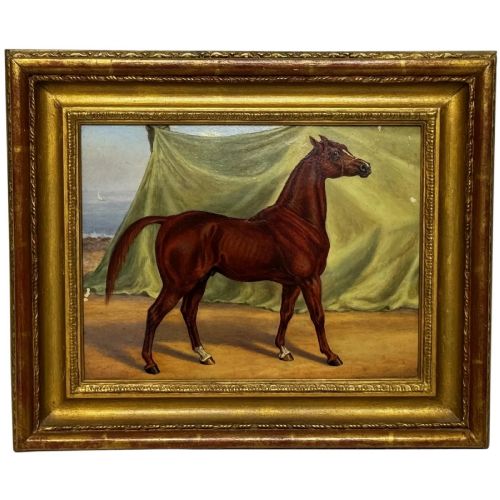
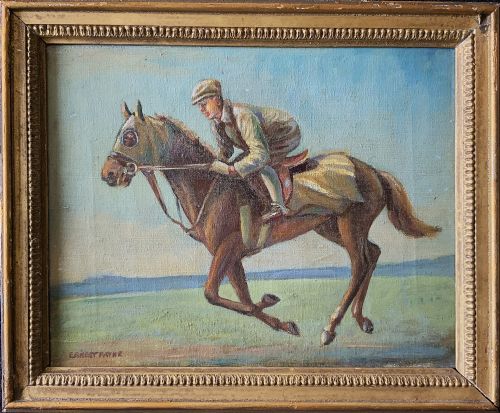
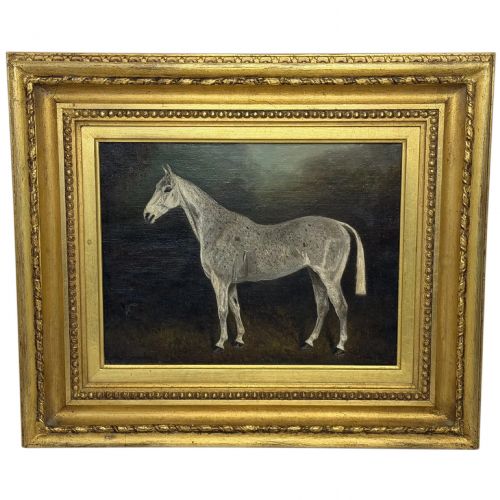
A vintage equestrian portrait captures the spirit of the turf and stable through painted studies of notable thoroughbreds, hunters and racers.
Vintage Equestrian Portrait
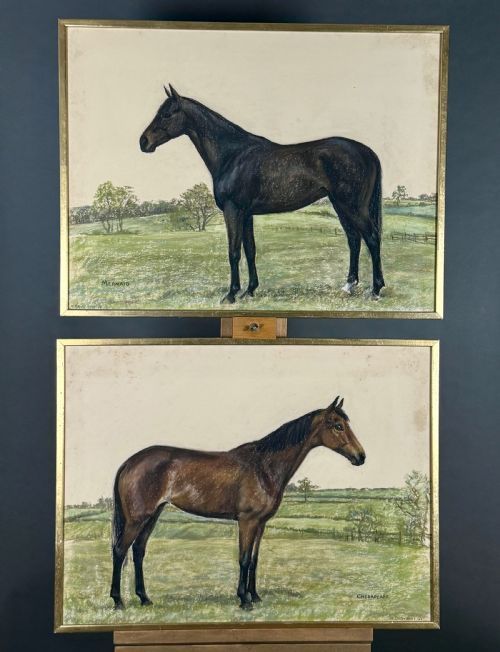
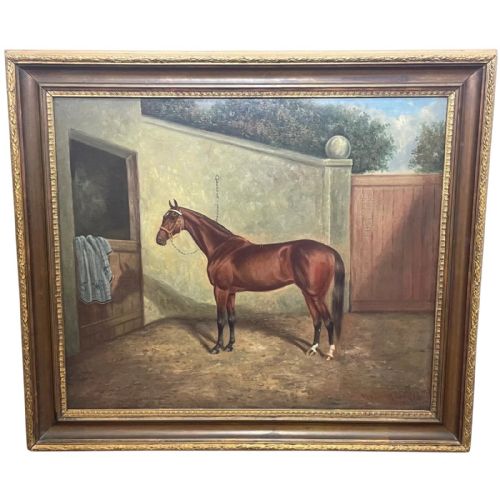
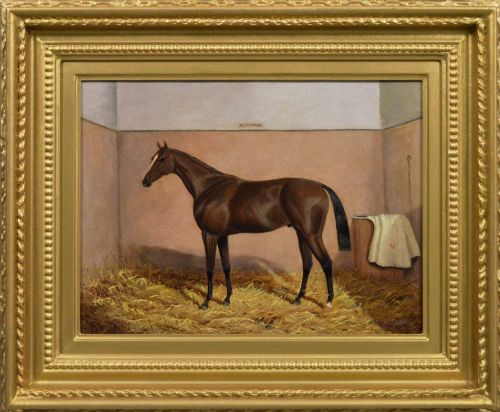
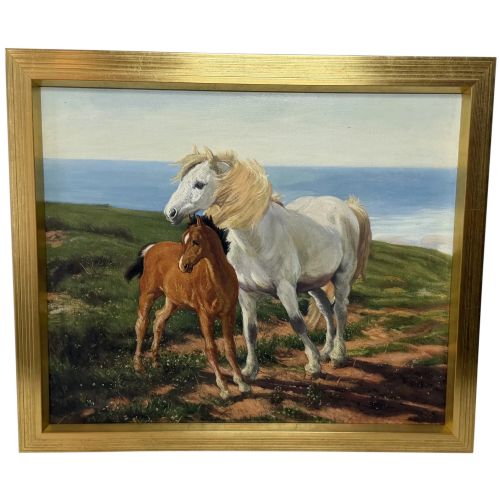
A vintage equestrian portrait brings together paintings, pastels and prints depicting individual horses, often named racehorses or hunters from specific estates and stables. These works span from the eighteenth century through the Victorian and Edwardian eras up to mid-century studies.
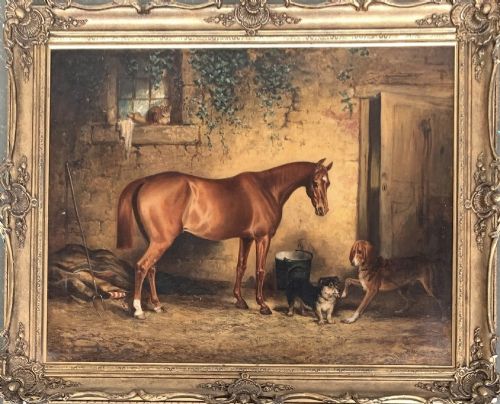
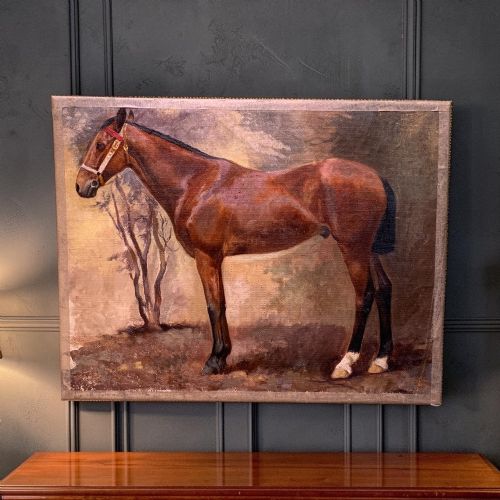
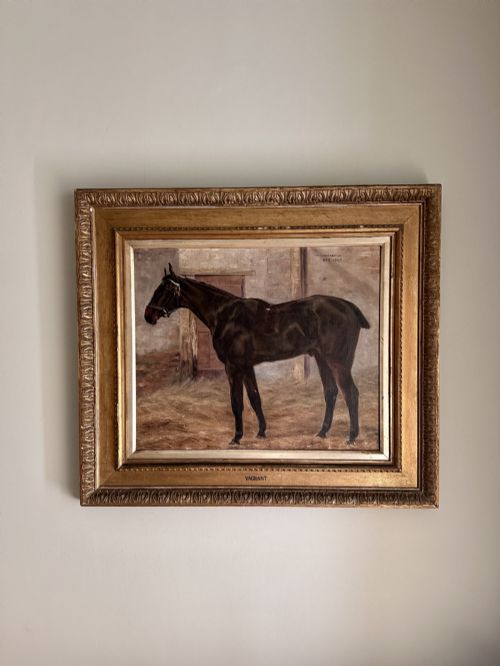
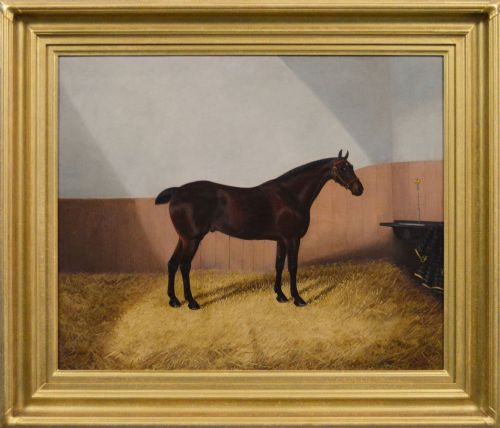
The most common pieces met on this page are oil paintings on canvas or panel, frequently framed in giltwood. Subjects range from named winners of historic races to intimate portraits of bays and greys standing in yards.
Materials and technique
Artists relied primarily on oil paint applied to canvas, wood panels or pine panels to build rich coats and musculature. Pigments were worked with fine brushes to render the glossy sheen of horseflesh and the textured weave of stable straw.
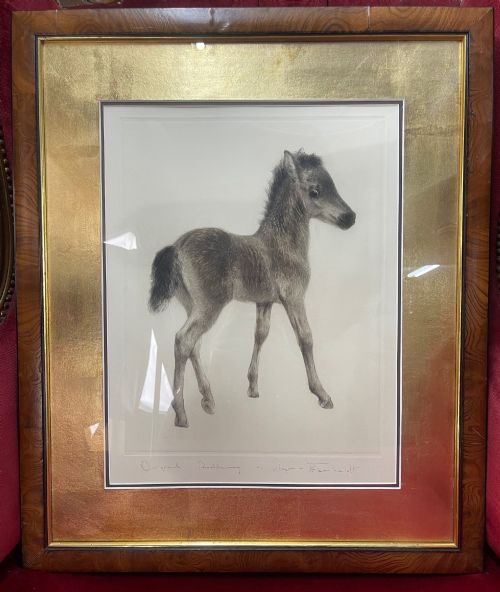
Works on paper utilise pastel and drypoint, capturing softer contours of foals and mares. Frames are constructed from timber and finished with gilt leaf or gesso detailing.
Several horses recorded here famously outran their contemporaries to win historical cups, immortalised in oil with expressions of mild bemusement.
Assessing quality
Quality rests upon the accuracy of anatomical rendering and the artist's command of light across the subject's flank. Superior examples convey the distinctive character and conformation of the specific animal rather than a generic equine shape.
The handling of background detail, whether a detailed stable interior or an atmospheric landscape, distinguishes accomplished works from simpler school pieces. Original framing and legible inscriptions naming the horse add significantly to historical weight.
Henry Barraud·Edward Fisher·Kurt Meyer Eberhardt·Frederick Albert Clark·George Wright·Thomas Walker Bretland·Basil Nightingale·William Williams·Abraham Cooper·George E Sharpe
The Vintage Equestrian Portrait Glossary
- Giltwood
- Carved wood coated with gold leaf or gold paint. This finish is frequently found on period frames enclosing nineteenth-century sporting art.
- Drypoint
- A printmaking technique where an image is scratched directly into a metal plate with a sharp needle. This method creates soft, velvety lines valued in equine works on paper.
- Eglomise
- A process of applying cold gilding and painting to the rear face of glass. This technique produces a reflective, decorative surface seen in historic reproductions.
- Mezzotint
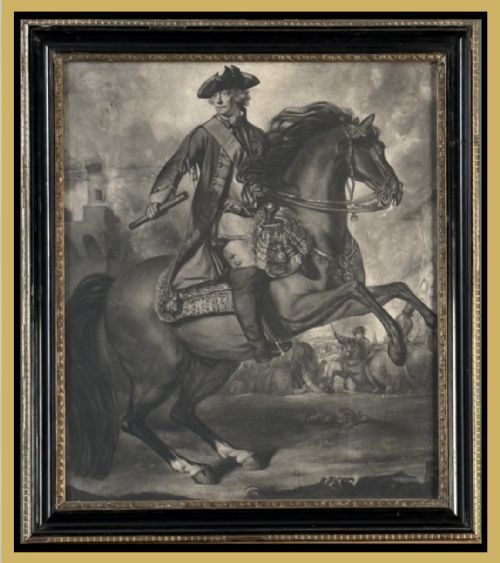
- A printmaking process of the tonal engraving family, allowing smooth gradations of light and shade. It was widely used for translating oil paintings of notable figures into printed form.
- Pastel
- A medium consisting of powdered pigment bound together with a gum binder and drawn into stick form. It produces matte surfaces with high colour luminosity on paper.
Vintage Equestrian Portrait: Frequently Asked Questions
How do I identify a named racehorse in a painting?
Many canvases include period inscriptions painted directly onto the lower margin or contemporary labels attached to the reverse. These often record the horse's name, the race won, or the owner.
Matching these details against nineteenth-century racing records helps confirm the identity of the animal and the specific event depicted.
What is the difference between a hunter and a racehorse portrait?
Hunter portraits usually depict sturdier, heavier-boned animals standing in pastoral landscapes or stable yards, reflecting their role in field sports. Racehorse studies tend to show finer thoroughbreds often accompanied by a jockey or trainer.
Compositionally, racehorse paintings frequently reference famous racecourses such as Epsom or Newmarket.
Where should I hang a large equestrian canvas?
These works suit principal reception rooms, studies or hallways where traditional sporting art is displayed. Ensure the wall is clear of direct sunlight to protect oil pigments and gilt frames from fading.
Mount the painting securely using fixings rated for the weight of the timber frame and canvas.
How do I care for an antique oil painting?
Keep the piece away from sources of excessive heat and moisture, which can cause wood panels to warp and canvas to slacken. Dust the frame and surface gently with a dry, soft brush.
Avoid using water, chemical cleaners or commercial sprays on the painted surface or giltwood.