




Belgian Impressionist Artwork
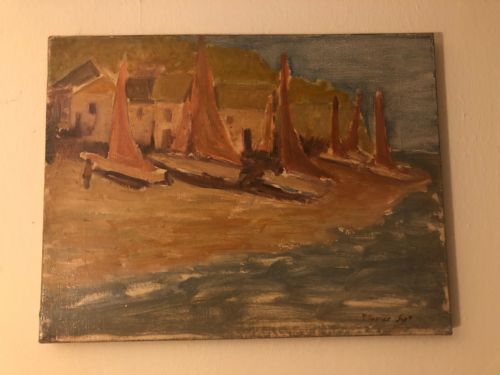
These pieces of belgian impressionist artwork capture light and atmosphere with remarkable brushwork, offering a window into European domestic and coastal scenes.
Belgian Impressionist Artwork
When you search for belgian impressionist artwork, you encounter paintings that record landscapes, domestic interiors, and maritime views through the lens of late nineteenth and twentieth-century movements. The works on this page span several decades, moving from turn of the century impressionism and luminism through to mid-century impressionism.
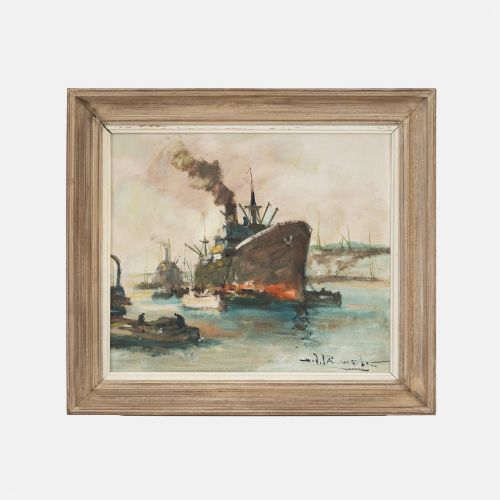
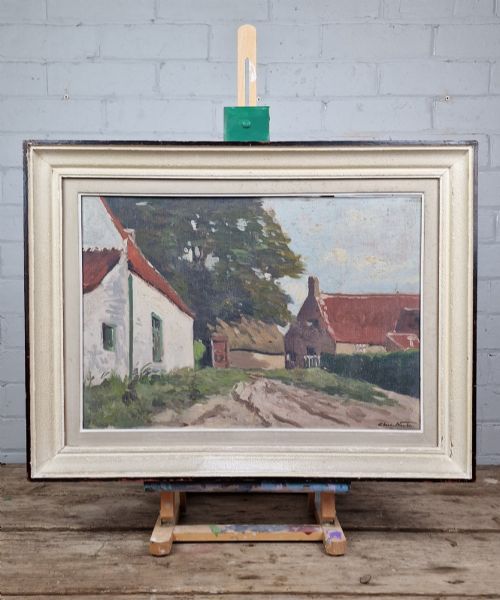
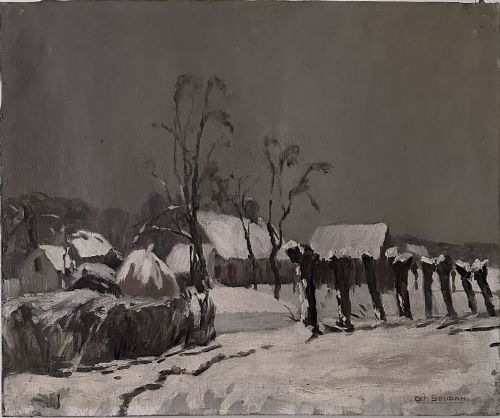
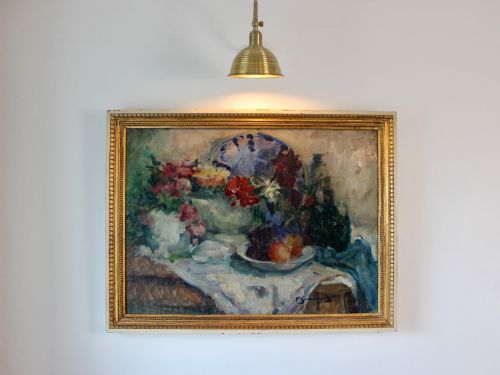
The most common formats you will meet are oil paintings executed on canvas or board, alongside occasional watercolours. Subjects range from quiet farmyards and winter villages to bustling markets, floral displays, and moored boats.
Makers represented in the current selection include Charles Houben, Victor Simonin, Frans Gailliard, Amile Coppieters, Henri Joseph Pauwels, Jules Evarist van Biesbroeck, Job de Vogel, Maurice Wagermans, Paul Paul, and Maurice Sijs. These pieces connect directly to regional artistic centres such as Ghent and Ostend.
Materials and technique
Artists painted primarily with oil paint applied to either stretched canvas or wooden board, occasionally utilising watercolour on paper. The application of pigment relies on distinct brushwork designed to capture transient effects of natural light.
Many works retain their original framing, which often incorporates moulded gesso and gilt finishes to complement the painted surface. Support materials such as wood panels and woven canvas provide the physical foundation for these compositions.
Belgian Impressionist Artwork Retail Price Guide 2026
Typical asking prices for belgian impressionist artwork among the pieces listed under this phrase on Sellingantiques today, from the lower quarter to the upper quarter. They describe what is for sale here now, not the wider market.
At least one work records a sturdy workhorse taking a well-earned drink.
Assessing quality
Quality rests upon the confidence of the brushwork and the artist's ability to render light and atmosphere convincingly across the composition. Works by established named masters display superior control of palette and spatial depth compared to anonymous or less refined output.
The preservation of the original paint surface and the integrity of any accompanying period frame significantly influence the standing of an individual piece. Works that retain their textural impasto without excessive retouched areas demonstrate greater material authenticity.
Charles Houben·Victor Simonin·Frans Gailliard·Amile Coppieters·Henri Joseph Pauwels·Jules Evarist van Biesbroeck·Job de Vogel·Maurice Wagermans·Paul Paul·Maurice Sijs
The Belgian Impressionist Artwork Glossary
- Luminism
- A style focusing on the effects of light on landscapes and seascapes. It places particular emphasis on atmospheric clarity and luminous skies.
- Impressionism
- A nineteenth-century painting movement characterised by relatively small, thin yet visible brush strokes and open composition. The emphasis lies on accurate depiction of light in its changing qualities.
- Impasto
- The process or technique of laying on paint or gesso thickly so that it stands out from a surface. This technique adds tactile dimension to floral displays and textured surfaces.
- Gesso
- A plaster mix used as a base for painting or for moulding decorative details on frames. It provides a smooth white surface that accepts gilt finishes.
Belgian Impressionist Artwork: Frequently Asked Questions
What periods do these paintings cover?
The selection spans from the late nineteenth century through the 1920s and 1950s, representing decades of stylistic evolution.
You will find pieces dated from the 1880s up to mid-century examples from the 1960s.
Are these works signed by the artists?
Many examples on this page bear signatures from listed Belgian artists, while others remain attributed based on style and subject.
Signatures often appear in the lower corners of the canvas or board.
What subjects are most common?
Maritime scenes, river views, farmyards, winter villages, and still life arrangements dominate the subjects.
Artists frequently recorded local Belgian landscapes, coastal shipping at Ostend, and domestic floral displays.
How should I display an oil painting on board?
These works suit traditional wall display in spaces with stable humidity and away from direct sunlight.
Retaining an appropriate frame protects the vulnerable edges of both canvas and wooden supports.