


Oak Drop Front Cupboard
An oak drop front cupboard offers a folding writing surface that conceals fitted interior compartments when closed.
Oak Drop Front Cupboard
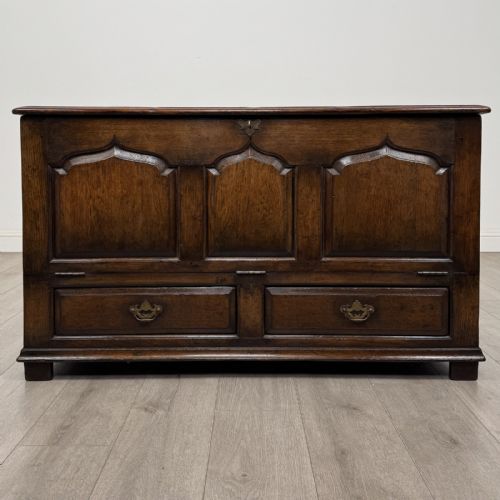
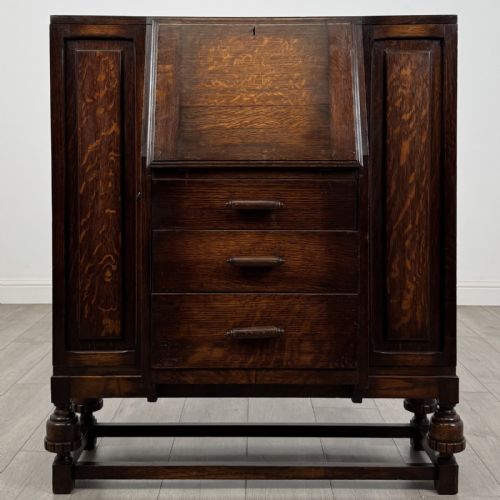
An oak drop front cupboard functions as a practical writing desk and storage unit combined into a single piece of furniture. These items appear in various forms including bureaus, bureau bookcases, and side cabinets with folding panels.
The selections span multiple eras ranging from seventeenth century strong boxes to twentieth century Jacobean revival styles and art deco designs. Buyers most frequently encounter twentieth century iterations alongside Edwardian and Georgian vernacular examples.
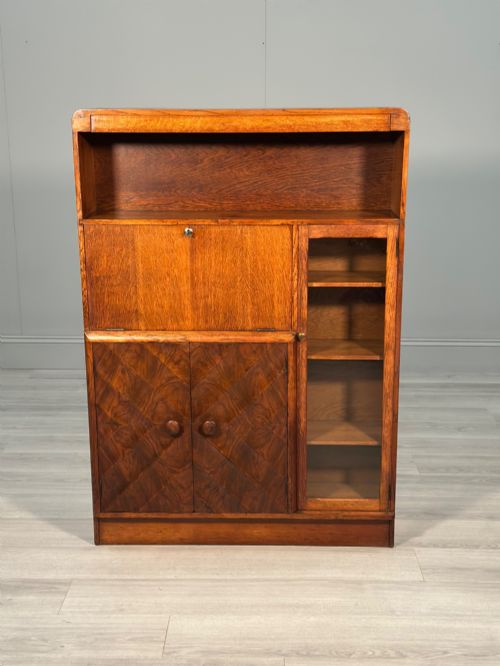
Makers and craftsmen utilise solid timber and veneers to construct these storage items, often incorporating brass or iron hardware and glass panels. Configuration details vary from simple drop down flaps to complex fitted interiors with side cupboards and drawers.
How they were made
Makers constructed these storage pieces primarily from solid oak and oak veneer, often selecting timber with pronounced grain patterns. Workshops applied traditional joinery techniques to build robust carcases that withstand daily use.
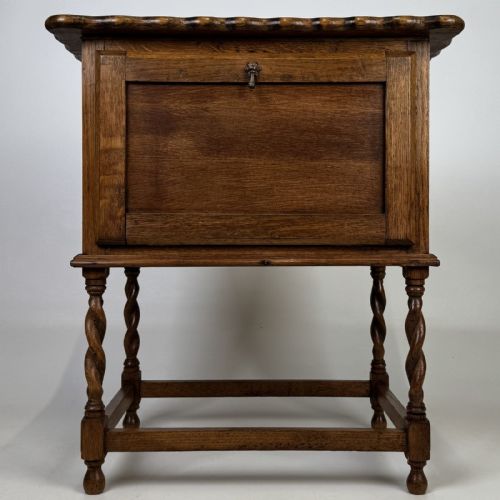
Hardware elements such as brass handles, iron hinges, and glass door panels complete the construction of bureau bookcases and side cabinets. Carved details and barley twist legs appear on revival pieces to emulate earlier historical periods.
One exceptional piece hides its secrets so well it requires an unusually configured mind just to open the right drawer.
What varies in quality
The standard of execution in timber selection and joinery separates standard production items from superior examples. Better quality pieces display careful matching of oak veneers and precise fitting of interior drawers and pigeonholes.
The complexity of the configuration influences the overall caliber of the furniture, with unusually structured side cupboards or fitted bureau interiors showing higher craftsmanship. Decorative embellishments like hand carving and quality metal hardware further distinguish finer specimens.
E Gomme
The Oak Drop Front Cupboard Glossary
- Drop front
- A hinged writing flap that lowers to provide a horizontal working surface and conceals interior compartments when raised. This mechanism defines the primary form of bureaus and secretaire cabinets.
- Bureau bookcase
- A combination furniture piece featuring a writing desk compartment beneath a glass fronted or solid door bookcase section. These taller units provide both display space and concealed storage.
- Jacobean revival
- A nineteenth and twentieth century style that copies seventeenth century design motifs, including heavy turnings and geometric mouldings. Furniture in this style often utilises dark finished oak.
- Secretaire press
- A large storage cabinet containing a sliding or folding desk drawer or compartment within its upper section. Welsh examples demonstrate regional vernacular woodworking traditions from around eighteen hundred.
- Barley twist
- A decorative turning technique resembling a spiral rope, frequently utilised on the legs of Edwardian and revival tables and cabinets. This turned detail adds vertical visual interest to the support structure.
Oak Drop Front Cupboard: Frequently Asked Questions
What is an oak drop front cupboard?
An oak drop front cupboard is a dual purpose furniture item that combines a concealed writing surface with enclosed shelving or drawers. The hinged flap folds down for writing and lifts up to hide correspondence and stationery.
These pieces range from compact bedside tables and side cabinets to tall bureau bookcases. They serve as functional workspaces and storage units within a living area or study.
How do I date an oak bureau?
Dating an oak bureau involves examining the construction methods, hardware types, and prevailing stylistic influences. Seventeenth century strong boxes and Georgian vernacular pieces exhibit different joinery techniques compared to Edwardian or nineteen thirties revival items.
Hardware such as brass handles and iron hinges provides additional chronological indicators. Secondary timbers and veneer application methods also help determine the period of manufacture.
Where were these cupboards used historically?
Historically, these items served in parlours, studies, and bedrooms as private spaces for correspondence and document storage. The lockable drop flap ensured that personal letters and financial records remained secure.
Larger bureau bookcases accommodated libraries and display items in reception rooms. Smaller variants functioned beside beds or within modest living quarters.
How do I care for antique oak furniture?
Maintaining antique oak furniture requires placing pieces away from direct heat sources and strong sunlight to prevent timber drying and veneer lifting. Regular dusting with a soft cloth preserves the surface sheen without building up excessive residue.
Applying appropriate wax polish occasionally helps nourish the oak grain and protect the finish. Environmental stability regarding humidity prevents the wood from expanding or contracting excessively.