


Small Oak Storage Table
These small oak storage table pieces provide compact utility and period character, bringing sturdy timber and hidden compartments straight into your daily routine.
Small Oak Storage Table
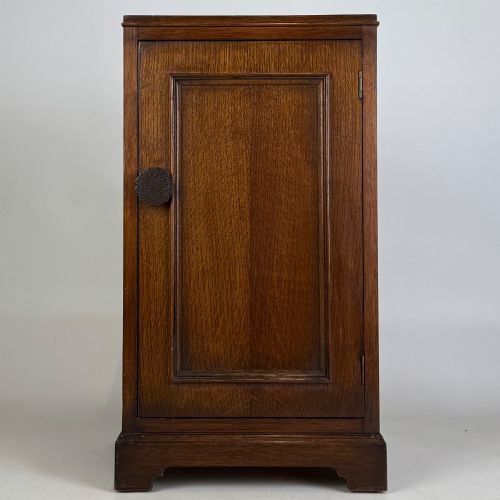
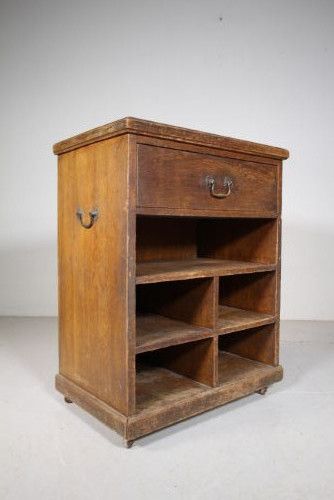
When you search for a small oak storage table, you encounter a varied assortment of compact furniture designed to hold belongings while serving as a surface. The pieces on this page span several centuries, reaching from the eighteenth century through the Victorian and Edwardian eras into the nineteen-thirties.
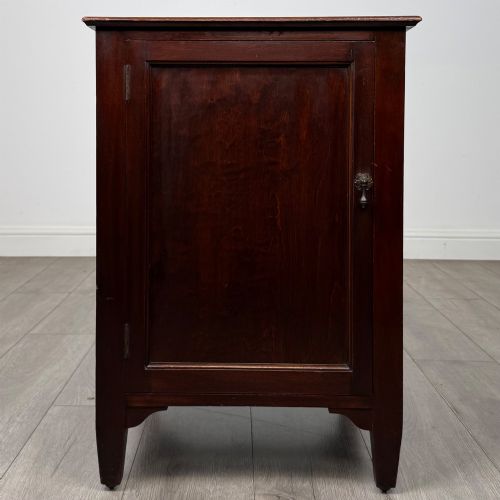
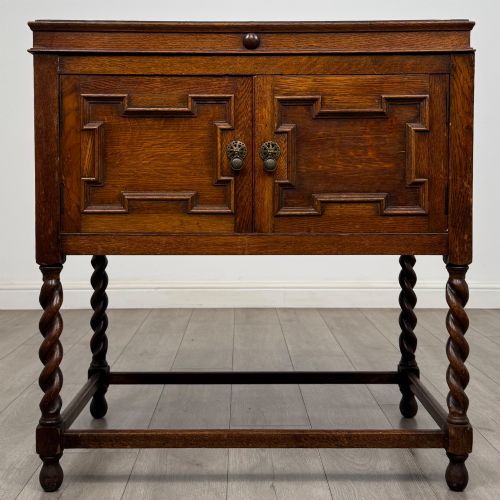
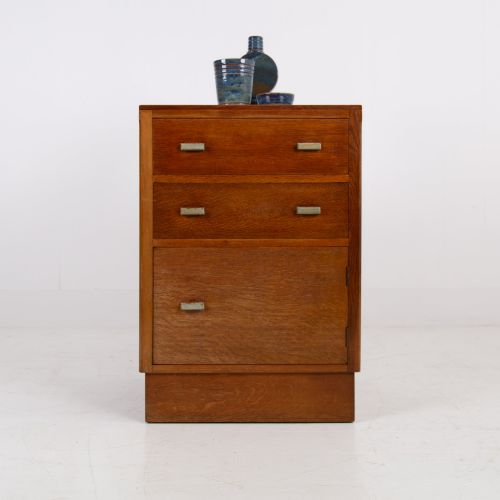
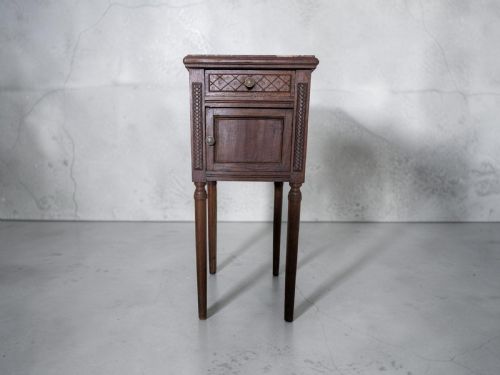
You are most likely to meet Edwardian and nineteen-twenties items fashioned from oak, often taking the form of bedside cabinets, side cabinets, cupboards, and box stools. These forms combine a tabletop surface with enclosed space for storage beneath, utilising solid oak and stained wood.
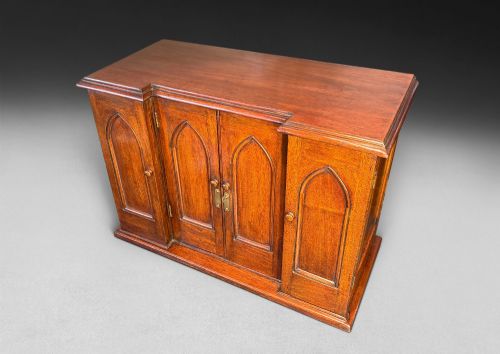
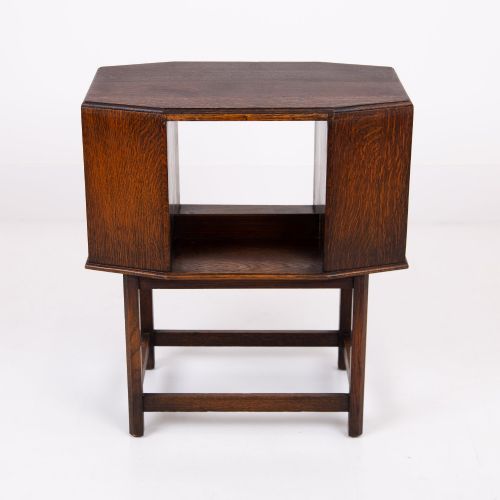
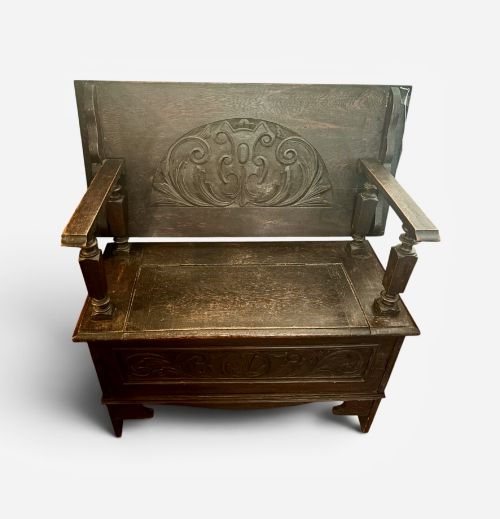
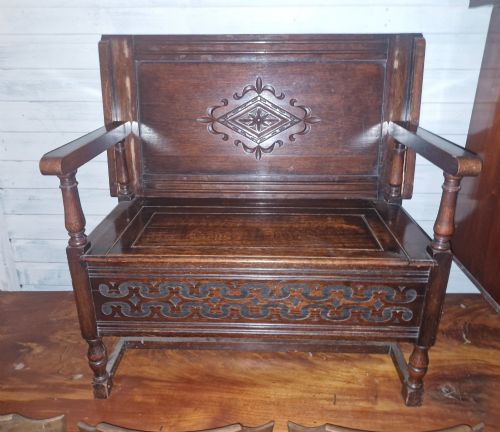
The selection also encompasses occasional tables, side tables with bookcase elements, and small hall seats with lift-up lids. Styles range across Jacobean Revival, Arts and Crafts, Art Deco, and Gothic Revival, reflecting the tastes of different periods.
Materials and construction
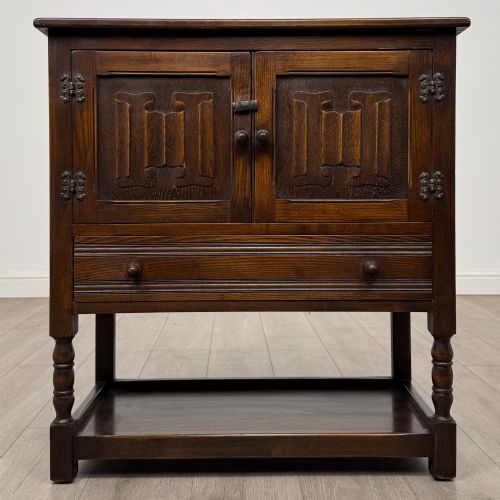
The primary material across these listings is oak, appearing in both solid oak and stained wood variants. Craftsmen shaped this durable timber into framework and panels, sometimes adding carved friezes or linenfold details to the surfaces.
Metal fittings such as brass and iron appear as hinges, handles, and structural supports on cupboards and cabinets. Occasional pieces incorporate ceramic tile and marble surfaces into their designs, particularly within Arts and Crafts or later styles.
Listings span eight distinct periods, reaching from eighteenth-century items to nineteen-thirties Art Deco designs.
Distinctions in quality
The caliber of these items rests upon the selection of the timber and the execution of the joinery. Solid oak construction with precise fitting drawer boxes and doors represents a higher standard of manufacture than simpler stained wood carcasses.
Carving depth and clarity distinguish finer examples from standard production. Crisp hand-carved friezes, linenfold panels, and well-integrated brass or iron hardware elevate a piece above plainer functional items.
Gomme
The Small Oak Storage Table Glossary
- Linenfold
- A style of wood carving representing folded linen, frequently seen on Tudor and revival cupboard doors. This technique creates a textured surface using shallow vertical reliefs.
- Arts and Crafts
- A movement prioritising traditional craftsmanship and simple forms over mass production. Pieces from this tradition often display honest construction methods and tile inserts.
- Bedside Cabinet
- A small enclosed piece of furniture designed to stand next to a bed. These typically feature a cupboard door or a combination of a drawer and a cabinet space.
- Box Stool
- A seat featuring a hinged lid that opens to reveal a storage compartment underneath. They function as both seating and compact storage for small domestic items.
Small Oak Storage Table: Frequently Asked Questions
What rooms suit a small oak storage table?
These compact items fit easily beside a bed, in a hallway, or next to a living room seating area. Their dual function provides a surface for lamps or books while concealing clutter inside.
Because they utilise sturdy oak, they withstand daily use in high-traffic areas of the home. Their diverse stylistic roots from Gothic Revival to Art Deco allow them to complement both traditional and modern interiors.
How do I identify an Edwardian piece?
Edwardian examples often feature lighter oak tones, sometimes with stained finishes, and display restrained revival styles such as Jacobean motifs. They frequently take the form of bedside cabinets or low cupboards.
Examining the internal construction and hardware helps confirm the period. Standardised machine-sawn timber and simpler brass fittings distinguish these early twentieth-century pieces from older nineteenth-century work.
What is a monk's bench?
A monk's bench is a multi-functional piece featuring a lift-up seat and a fold-over top. When the top is folded upright, it forms the back of a chair; when laid flat, it creates a small table.
Victorian and later makers reproduced these historical forms in oak for domestic use. Their clever conversion mechanism made them popular in smaller Victorian and Edwardian hallways.
How do I care for oak furniture?
Oak benefits from dusting with a dry or slightly damp cloth to keep the surface clean. Avoiding harsh chemical cleaners preserves the natural timber and applied finishes over time.
Keeping these pieces away from direct heat sources and strong sunlight prevents the oak from drying out or splitting. Applying appropriate wax occasionally maintains the lustre of the wood.