
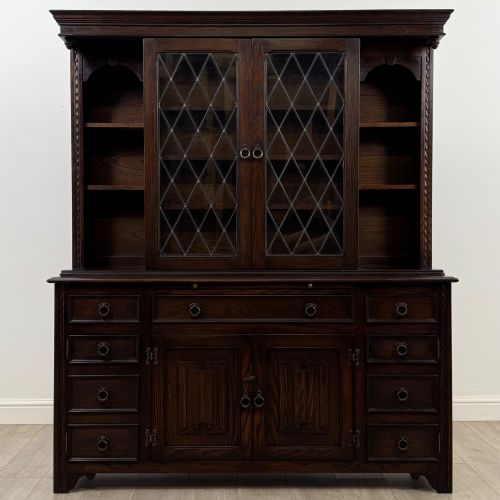


Oak Display Sideboard Unit
An oak display sideboard unit combines storage and display, offering timber warmth and practical shelving for collectors.
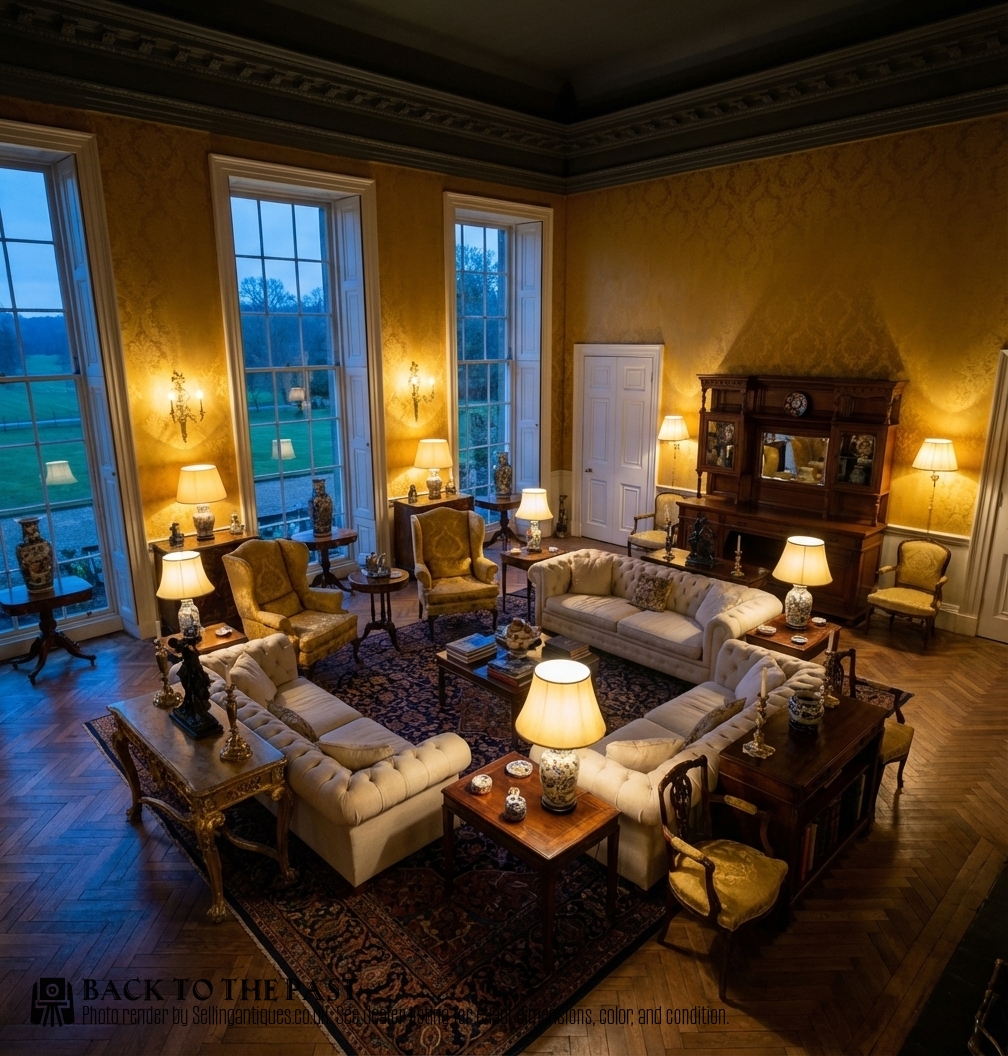
Oak Display Sideboard Unit
An oak display sideboard unit brings together the functional storage of a traditional base with the display potential of upper shelving or glazed cabinets. When searching for an oak display sideboard unit, buyers encounter diverse forms ranging from country dressers to Edwardian mirror-back sideboards and Arts and Crafts bookcases.
The materials and styles span centuries of cabinetmaking, featuring solid oak construction enhanced by brass hardware, glass panels, leadwork, and mirror plates. Pieces on this page bridge multiple eras, from eighteenth-century country furniture to Art Deco and revival styles.
Makers and regional workshops left their mark across these listings, utilising native timber to create sturdy Welsh dressers, hutches, and slim cottage cabinets. Each iteration serves the dual purpose of keeping household items orderly while showcasing prized ceramics or glassware.
How they were made
Cabinetmakers built these units primarily using solid oak, often pairing the main timber with secondary woods like pine for internal elements. Metal fittings such as brass handles and iron hinges secure doors and drawers, while lead holds individual panes of glass in glazed display sections.
Construction techniques evolved across the periods represented here, moving from pegged eighteenth-century joinery to later Edwardian and Art Deco manufacturing methods. Workshops incorporated bevelled mirror glass and specialised surface finishes to accentuate the grain and colour of the oak.
Materials appearing across these cabinet designs include oak, brass, glass, lead, mirror plate, and pine.
What varies in quality
The standard of a piece rests upon the selection of the timber and the crispness of its joinery, where well-figured oak and tight joints distinguish superior workshop production. Proportion and balance also play a decisive role, separating utilitarian items from pieces designed with careful attention to decorative silhouette and line.
Original hardware and glass contribute significantly to the integrity of the object, retaining the character intended by the maker. Subtle design elements, such as carved details or the integration of leaded glass, elevate the overall execution above simpler vernacular examples.
Liberty & Co.
The Oak Display Sideboard Unit Glossary
- Oak
- A durable hardwood prized for its strength and prominent grain patterns, utilised extensively in British cabinetmaking. It forms the structural foundation of almost every piece listed here.
- Dresser
- A dual-purpose item featuring a lower sideboard or cabinet base surmounted by open plate racks or enclosed shelving. These pieces evolved from simple utilitarian kitchen furniture into decorative dining room fittings.
- Arts and Crafts
- A design movement prioritising traditional craftsmanship, simple forms, and honest use of materials over mass production. Pieces from this style often display visible joinery and subtle artistic hardware.
- Mirror Back
- A sideboard or cabinet incorporating an upright wooden frame holding a mirror plate behind a display shelf. This feature reflects light and brightens the items arranged upon the surface.
- Leadwork
- The technique of securing individual panes of glass within structural lead cames, frequently seen in cabinet doors. It provides both structural support and decorative geometric division.
Oak Display Sideboard Unit: Frequently Asked Questions
What is an oak display sideboard unit?
It is a hybrid furniture form that combines enclosed cupboard storage in the base with open shelving, glass cabinets, or mirror backs above. These units were designed to store dining requisites while displaying ceramics and glassware.
They appear in various stylistic interpretations across different centuries, reflecting changing domestic habits and interior tastes.
How do I date an oak sideboard?
Dating relies on observing construction methods, hardware types, and stylistic vocabulary such as Arts and Crafts linearity or Georgian proportions. Tool marks and timber preparation methods also offer clues regarding the era of manufacture.
Earlier pieces often exhibit hand-cut joinery and pegged joints, whereas twentieth-century examples incorporate machine-made consistency and different internal secondary woods.
Where were these units used?
Historically, such furniture stood in dining rooms, kitchens, and hallways to hold tableware, linens, and provisions. The upper sections served to showcase family silver, pewter, and ceramic collections.
Today, they transition easily into modern living spaces, serving similar organisational and display functions in contemporary homes.
Are these units made from solid oak?
Most examples utilise solid oak for their primary surfaces and external structures, sometimes complemented by secondary timbers like pine for drawer linings or backboards. The quality of the timber selection varies from plain country boards to highly figured quarter-sawn stock.
Examining the interior construction reveals how the maker balanced durability and cost during production.