
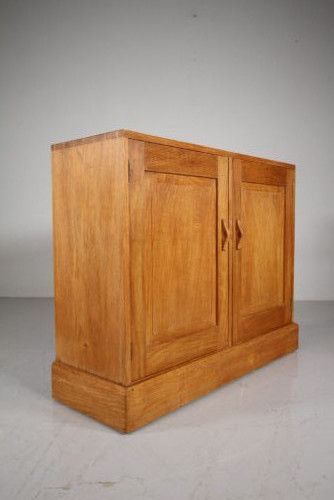
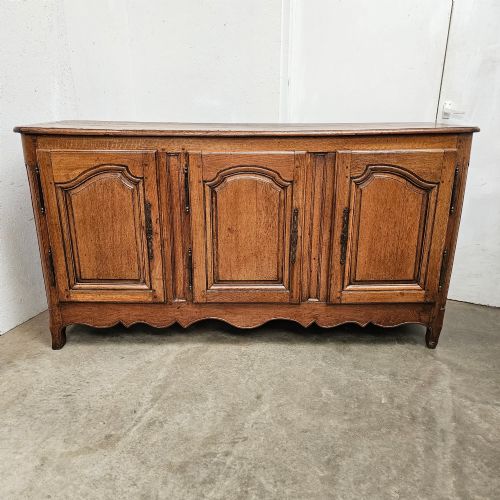
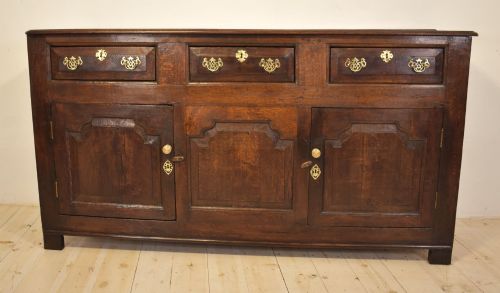
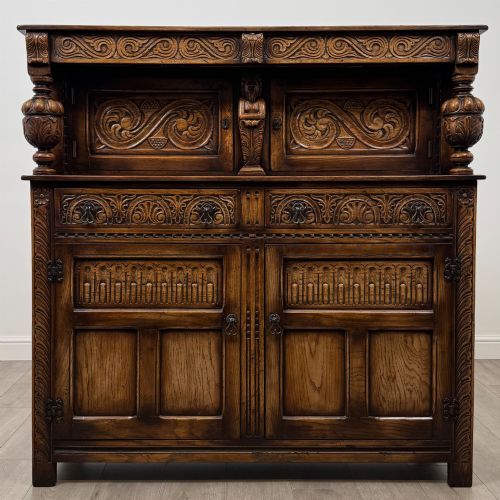
Oak Cupboard Credenza
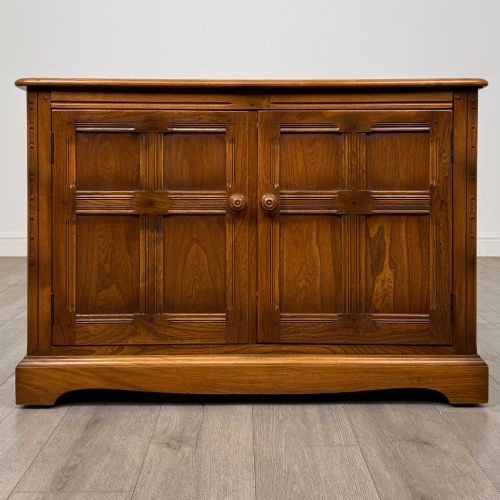
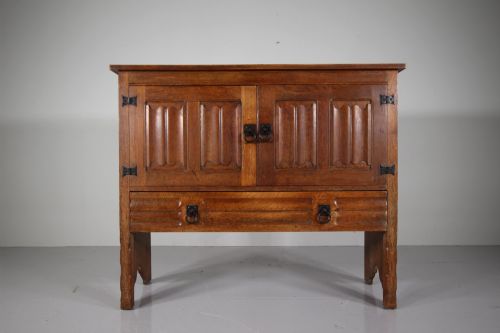
An oak cupboard credenza provides substantial storage in heavy timber, spanning centuries of revival styles from Jacobean to Arts and Crafts.
Oak Cupboard Credenza
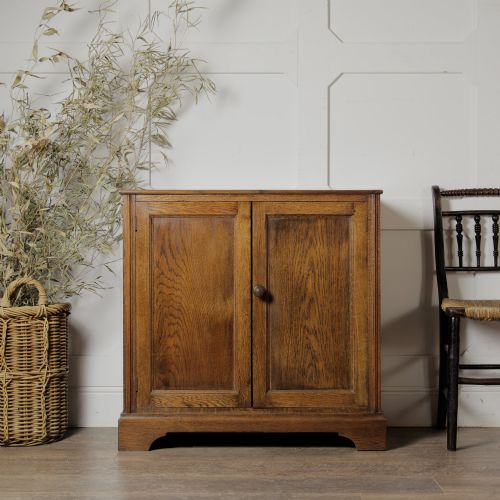
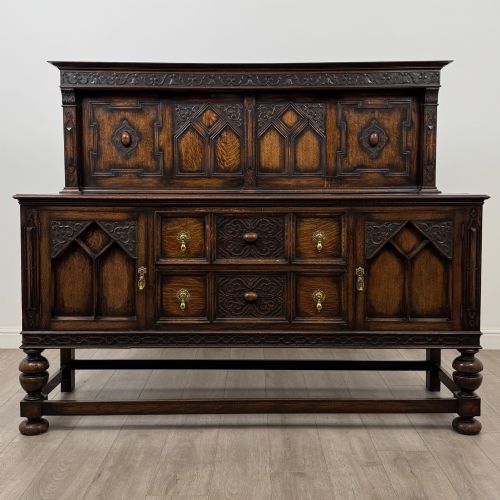
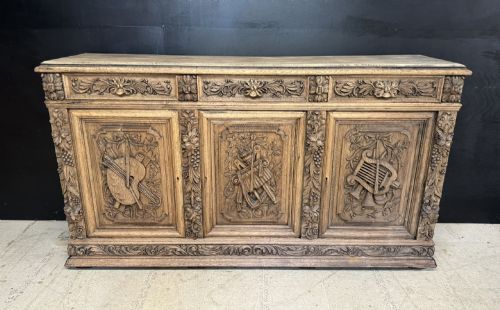
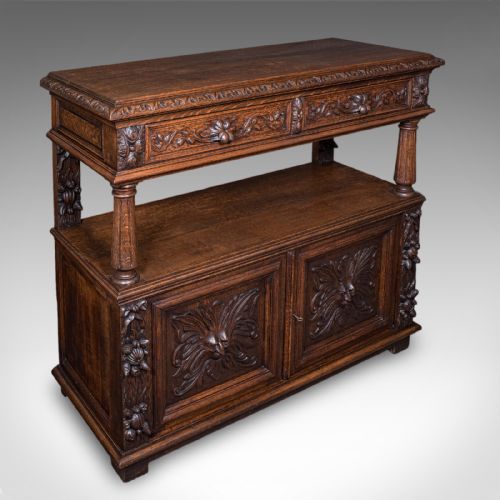
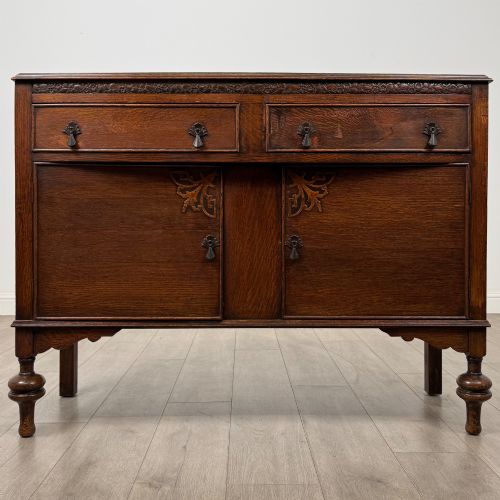
An oak cupboard credenza brings together heavy timber storage forms such as sideboards, dresser bases, court cupboards and enfilades. When searching this phrase, a buyer examines utilitarian dining room and kitchen storage designed for daily domestic use.
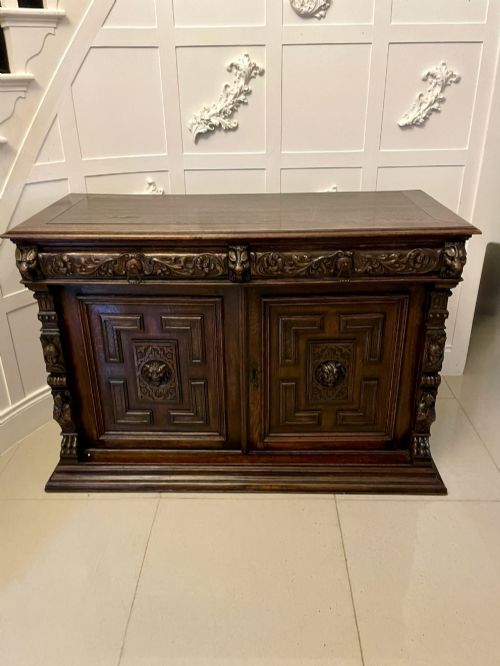
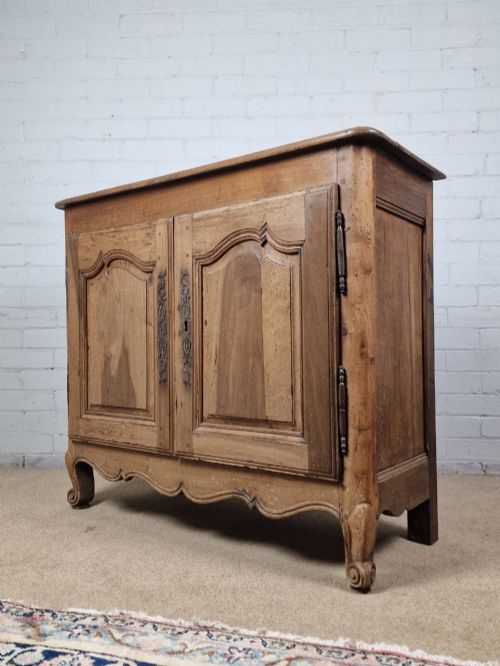
The pieces appearing most frequently belong to the Edwardian and Victorian periods, often channelling earlier aesthetics like Jacobean and Gothic revival. English and French workshops produced these sturdy storage units using solid timber.
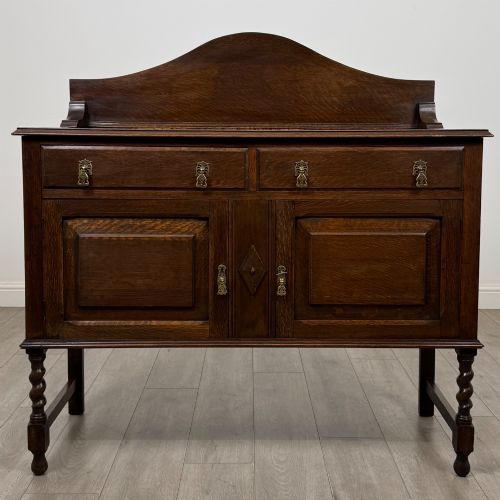
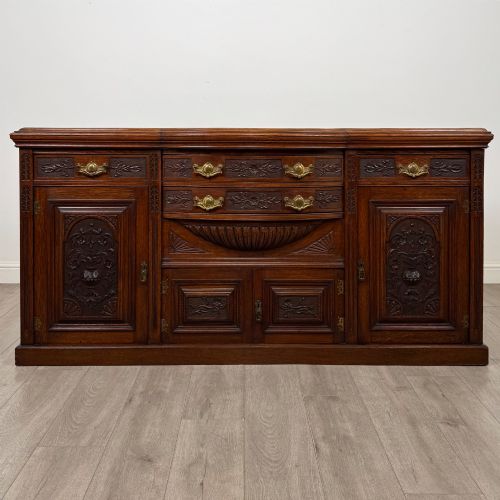
Formats range from low cupboards and side cabinets to large mirror-back sideboards and Scottish buffets. Buyers encounter both provincial vernacular work and formal revival pieces suited to traditional interiors.
How they were made
Construction relies primarily on solid oak, frequently augmented by golden oak selections, fruitwood and walnut in contrasting panels. Hardware consists of brass and iron handles, hinges and escutcheons that anchor heavy doors and drawers.
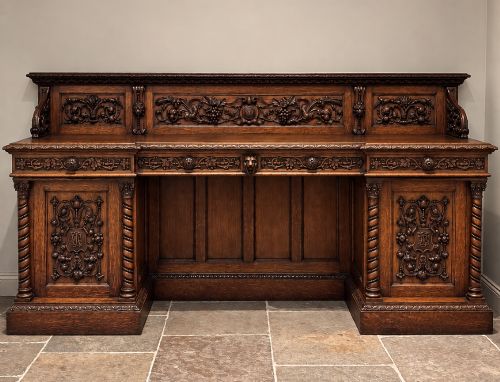
Carpenters utilised traditional panel-and-frame construction to accommodate wood movement across large expanses like sideboard backs and cupboard doors. Surface enrichment involved hand carving, linenfold panelling, and occasionally turned elements such as barley twists.
Listings span centuries from the 17th century through Victorian and Edwardian revivals up to the 1930s, constructed in oak, walnut, and fruitwood.
What varies in quality
The depth and crispness of hand carving separate mass-produced revival furniture from high-status cabinet work. Pieces bearing specific regional attribution, such as Cotswold School execution, show superior joinery and thoughtful proportion.
Material selection dictates long-term stability, with dense quarter-sawn oak and unwarped panels marking the better tier of domestic storage. Secondary timbers used in drawer linings and internal shelving reveal the original maker's commitment to durability.
Gomme
The Oak Cupboard Credenza Glossary
- Jacobean Revival
- A nineteenth-century style imitating early seventeenth-century English furniture. It employs heavy turning, geometric moulding and dark finishes.
- Court Cupboard
- An enclosed double-tier cabinet used for displaying plate and storing provisions. The upper section is often recessed behind turned supports.
- Dresser Base
- A low rectangular storage unit featuring drawers above cupboards or an open pot board. These pieces originated in kitchens for food preparation and service.
- Linenfold
- A style of wood carving representing folded parchment or linen. It appears chiefly on late medieval and revival cupboard doors.
- Enfilade
- A long cabinet or sideboard format common in French interiors. It provides extensive surface and cupboard storage along a dining room wall.
Oak Cupboard Credenza: Frequently Asked Questions
How do I date an oak sideboard?
Dating relies on identifying construction methods, hardware types, and stylistic revival markers across the piece. Victorian and Edwardian examples often feature heavy machine or hand carving mimicking seventeenth-century Jacobean motifs.
Earlier eighteenth-century dresser bases display simpler joinery, hand-planed surfaces, and distinct regional vernacular traits peculiar to English or French districts.
Where were these cupboards used?
These storage units served primarily in dining rooms, halls, and large kitchens to hold serving dishes, cutlery, and food stocks. Formal versions displayed silver and ceramic plate on mirror-backs or plate racks.
Provincial housemaid cupboards managed household linens and daily provisions in large country houses and farmsteads.
How do I care for solid oak?
Solid oak benefits from stable indoor humidity away from direct heat sources that cause timber to split or warp. Regular dusting with a dry cloth preserves the finish without sealing moisture into the grain.
Occasional application of appropriate wax feeds old timber and maintains the natural lustre of the polished surface.