


Oak Clothes Storage
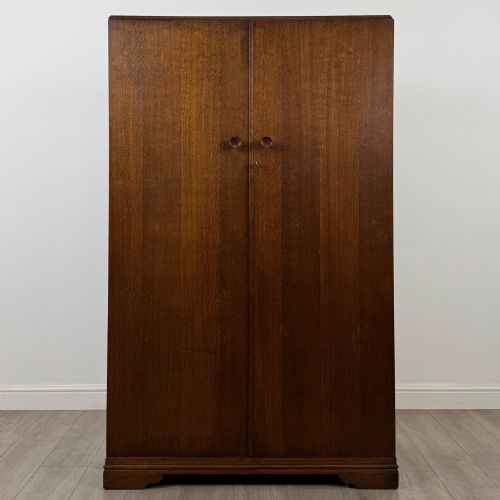
Oak clothes storage takes many forms, from Georgian press cupboards to Edwardian wardrobes, offering substantial timber build and lasting utility for a home.
Oak Clothes Storage
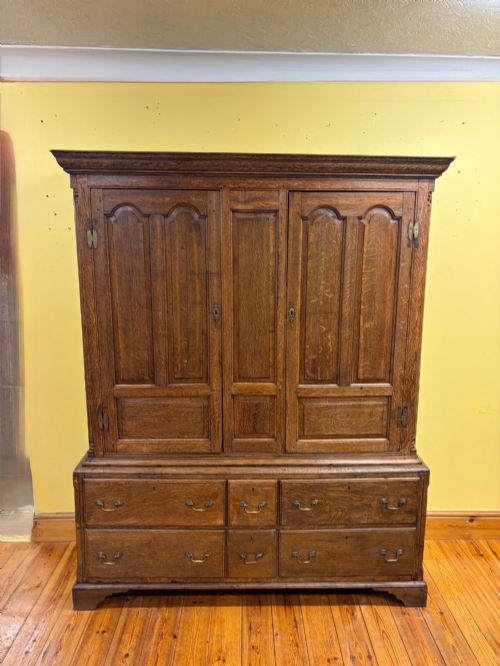
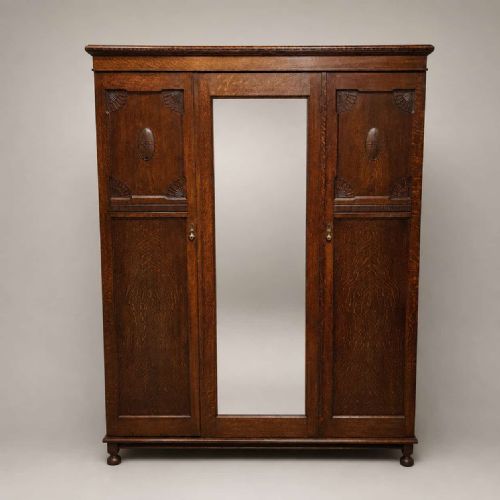
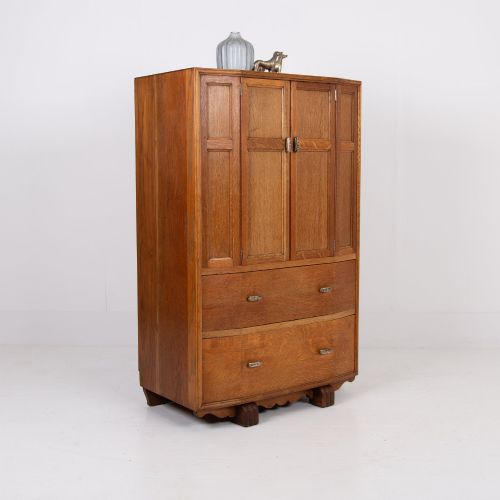
When you search for oak clothes storage, you encounter functional timber furniture built to house garments and linen across multiple centuries. These pieces range from tall wardrobes and triple door cabinets down to low press cupboards and housekeeper's presses.
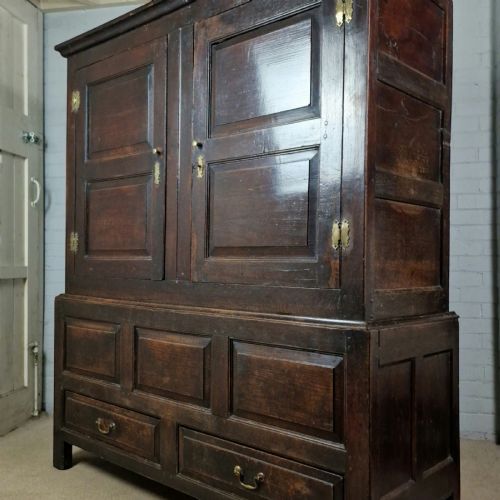
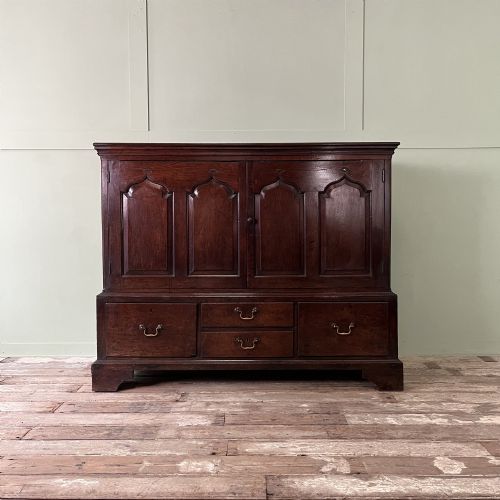
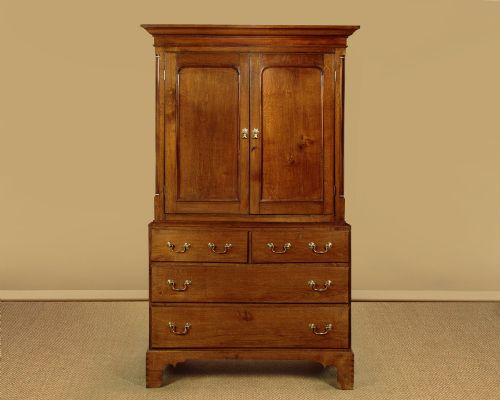
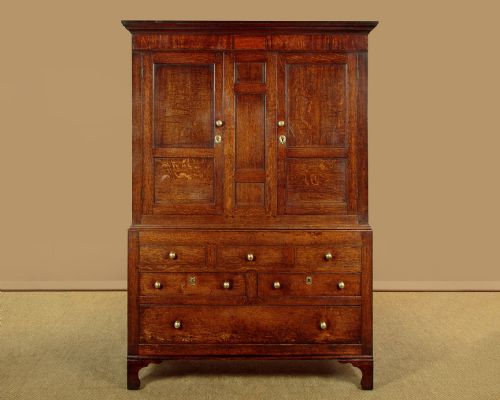
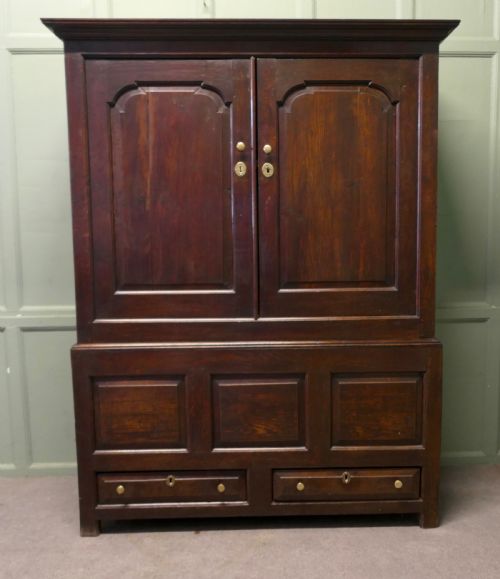
Georgian and 18th-century examples often present as two-stage press cupboards or livery cupboards, combining hanging space with internal drawers or shelving. Later Edwardian and 19th-century interpretations shift towards dedicated wardrobes, tallboys, and fitted compartments.
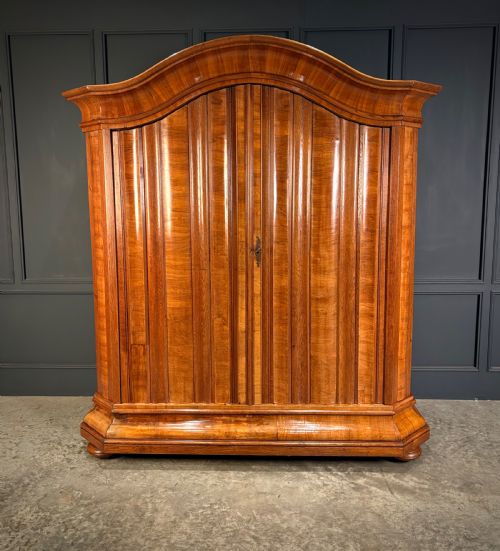
Regional variations appear frequently, including Welsh vernacular pieces and continental armoires in oak and walnut. Simpler country items sit alongside sophisticated revival pieces, reflecting the practical domestic requirements of their original eras.
Materials and construction
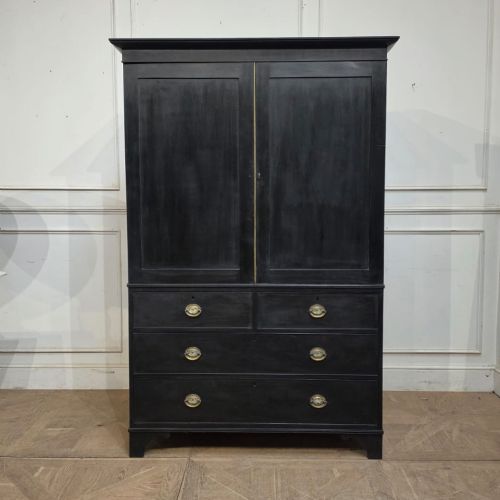
Makers utilised solid oak alongside ebonised oak, pollard oak, and occasionally accented timber with walnut, building heavy carcases designed to withstand decades of daily domestic use. Internal and structural elements frequently incorporate secondary timbers to support the substantial weight.
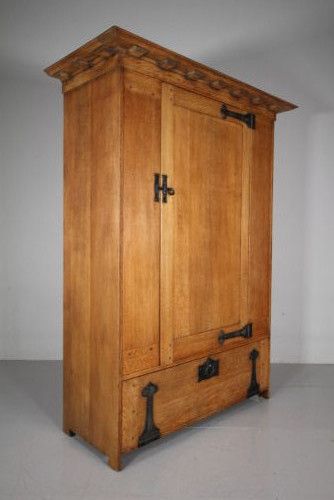
Metalwork played a functional role, utilising brass and iron for hinges, handles, locks, and escutcheons. Glass panels occasionally feature in upper cabinet doors, while wrought iron hardware secures heavier country cupboards and armoires.
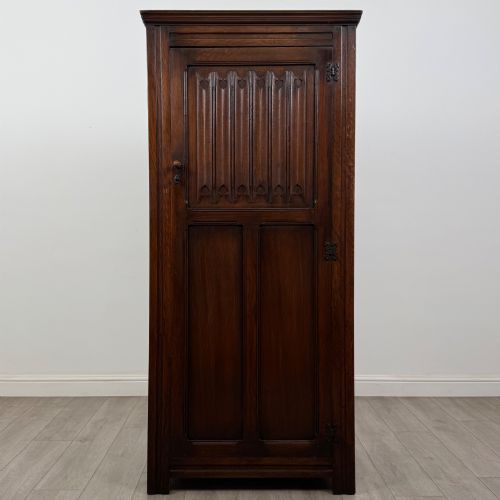
One child's wardrobe from the Edwardian period proves that even small people once required heavy oak furniture.
Judging quality in timber furniture
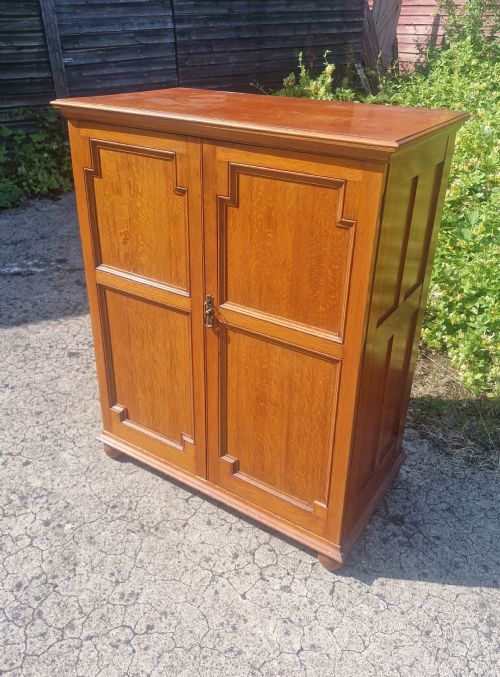
The standard of timber selection and figuring dictates much of the visual appeal, with golden oak and well-matched grain setting finer examples apart from plain utility boards. Cross-banding, panel moulding, and carving depth separate standard regional work from master cabinet maker production.
Structural integrity depends on original joints, well-hung panel doors, and intact internal sliding trays or drawer linings. Maker stamps or provenance add distinct historical context, distinguishing stamped workshop pieces from unsigned vernacular furniture.
Heal and Son·Maple and Co
The Oak Clothes Storage Glossary
- Livery Cupboard
- A traditional tall storage cabinet originally used for food or clothing. These pieces often feature panelled doors and internal shelving.
- Press Cupboard
- A two-stage piece of furniture featuring a cupboard above a bank of drawers. They were traditionally built to store pressed linen and garments.
- Housekeeper's Cupboard
- A large, utilitarian storage cabinet designed for domestic administration and linen organisation. They typically offer extensive internal shelving and lower drawers.
- Armoire
- A large wardrobe or cupboard of continental origin. These pieces provide deep hanging space behind large panelled doors.
- Tallboy
- A tall chest of drawers or cabinet rising higher than a standard chest. They maximise vertical storage space in bedrooms.
- Vernacular
- Furniture built by local country craftsmen following regional traditions rather than metropolitan fashion. These pieces often use local timber and straightforward construction.
Oak Clothes Storage: Frequently Asked Questions
What is a linen press?
A linen press is a tall storage cabinet designed specifically to store household linens and folded garments. The upper section typically holds sliding trays while the lower section contains drawers.
Historically, heavy linens were pressed flat between boards before being stored on the interior shelves to keep them neat.
How do I date an oak wardrobe?
Dating relies on observing construction methods, hardware, and stylistic details such as mouldings and panel construction. Georgian pieces display pegged joints and hand-cut panels, whereas Edwardian examples often utilise machine-sawn timber and factory-made fittings.
Hardware styles and lock mechanisms also shift noticeably between the eighteenth and twentieth centuries.
Where were these cupboards used?
These storage pieces found placement in bedrooms, hallways, and large kitchens across British and continental homes. Housekeeper's cupboards stood in dedicated estate rooms for linen management.
Smaller hanging cupboards and wardrobes served private chambers for daily garment storage.
Are these pieces made of solid oak?
Most items utilise solid oak for their primary structural elements, panel work, and doors. Secondary timbers may appear inside drawer linings or cabinet backs to manage weight.
Certain pieces incorporate decorative veneers like pollard oak over solid carcases.