





Oak Cane Rack
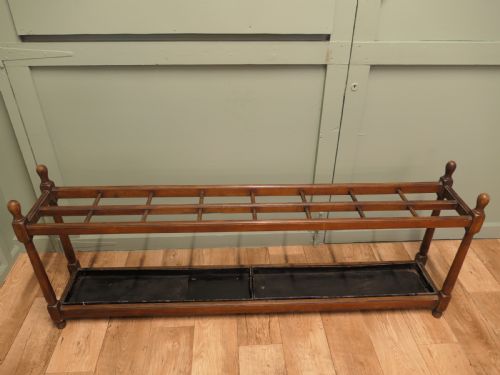
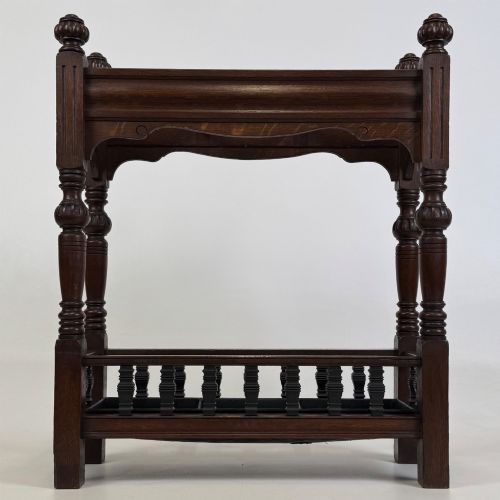
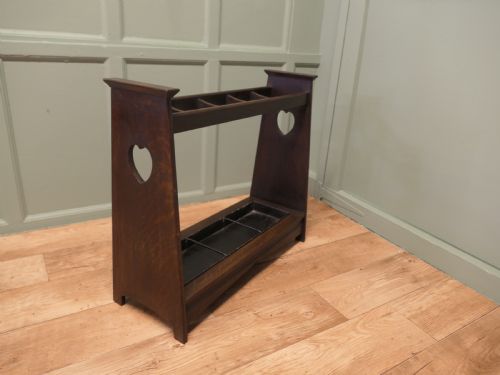
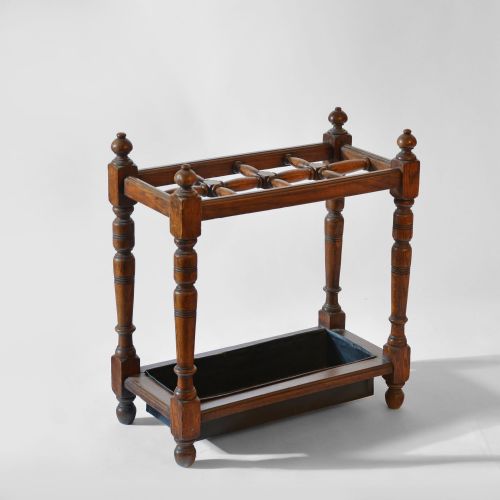
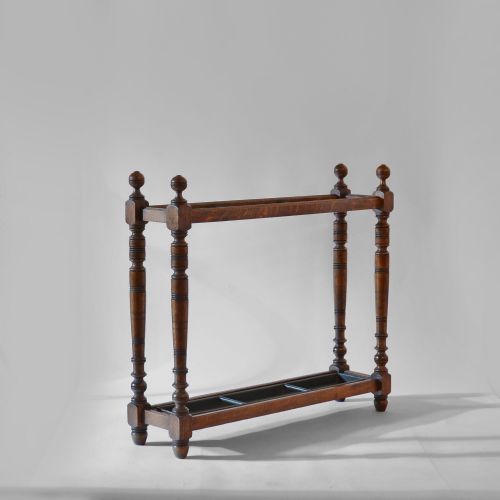
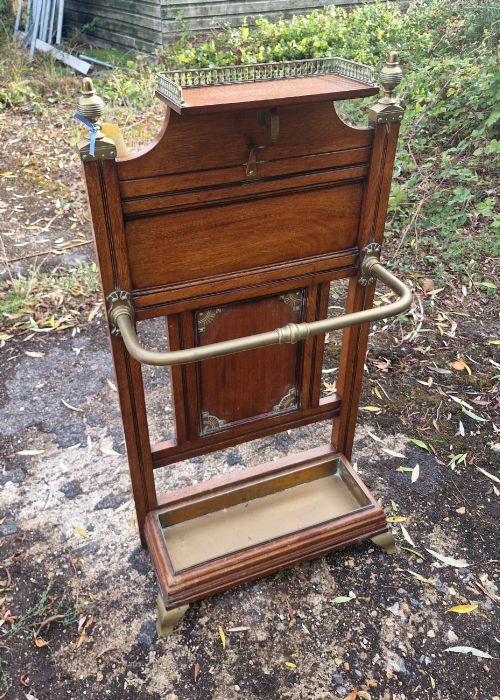
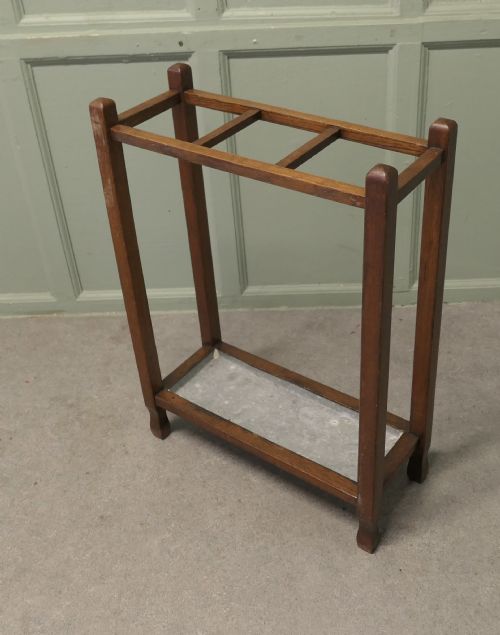
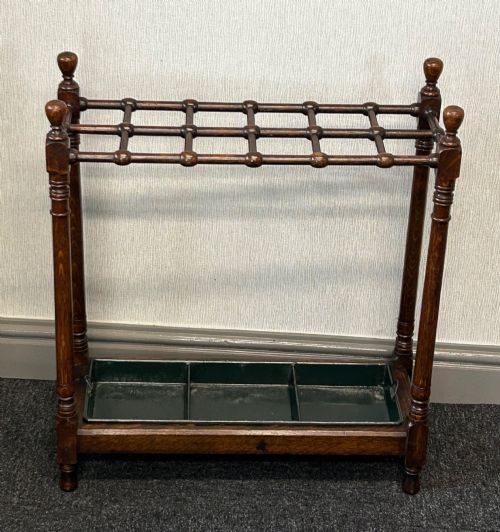
An oak cane rack keeps hallways tidy, and the pieces found here span Victorian, Edwardian, and Arts and Crafts designs.
Oak Cane Rack
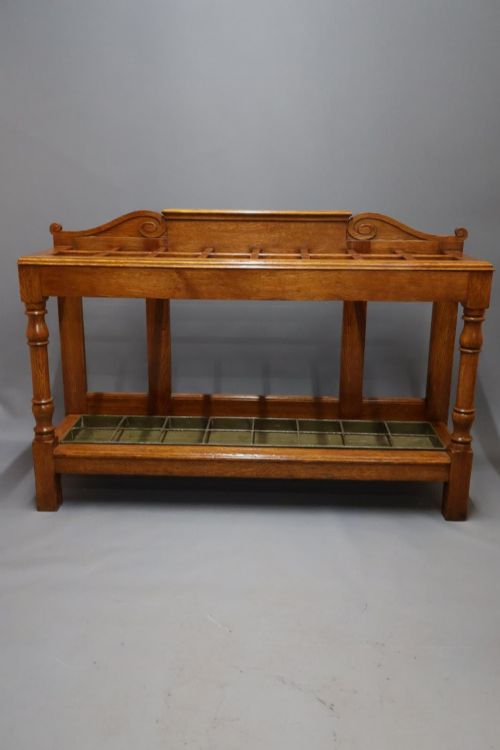
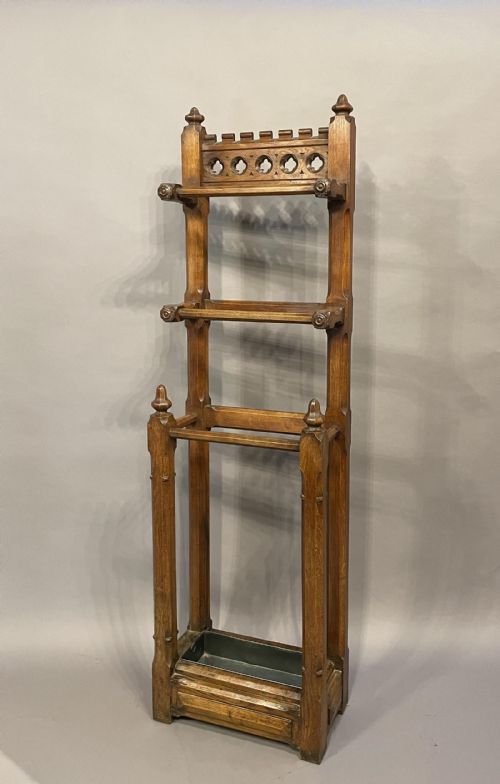
When you search for an oak cane rack, you meet hall stands, umbrella stands, and stick racks designed for reception spaces. These items organise walking sticks, canes, and umbrellas using wooden frames, coopered barrels, and divided compartments.
The pieces listed on this page originate predominantly from the nineteenth and early twentieth centuries, covering Victorian, Edwardian, and Arts and Crafts periods. You encounter straightforward rectangular forms alongside corner units, demi-lune hall stands, and Black Forest carvings.
Makers and designers from these eras, including Liberty and Heal's of London, produced robust hallway furniture for English country houses and town residences. The structures utilise sturdy timbers to withstand daily use in bustling entrance halls.
What varies in quality
Quality in these hall furnishings rests on the integrity of the timber and the sophistication of the style, ranging from plain country house utilities to refined Arts and Crafts or Aesthetic Movement designs. Pieces bearing attribution to known makers or distinctive stylistic movements typically display superior proportions and carved details.
The presence of original metal drip trays, intact internal dividers, and robust secondary woods distinguishes finer examples from simpler utilitarian racks. Surface finishes that retain a warm, honest patina demonstrate better preservation over decades of hallway service.
Listings feature oak combined with brass, iron, zinc, ceramic, and carved wood across Victorian and Edwardian periods.
Liberty Design·Heals of London
The Oak Cane Rack Glossary
- Demi-lune
- Half-moon shape. These stands sit flat against a hallway wall to save floor space.
- Coopered
- Made with stave construction like a barrel. This technique appears on round stick stands.
- Arts and Crafts
- A design movement valuing handcraft and simple materials. Pieces often feature exposed joinery and honest construction.
- Aesthetic Movement
- A style focusing on art for art's sake. These items incorporate refined decorative details.
- Drip tray
- A metal or ceramic pan placed at the base. It catches water from wet umbrellas.
Oak Cane Rack: Frequently Asked Questions
Where did these racks stand?
These pieces traditionally occupied the entrance hall, vestibule, or reception room of a nineteenth or twentieth-century home. They provided a designated drop-off point for visitors to leave wet umbrellas and walking aids upon entering the house.
Their placement near the front door made them an essential item of everyday furniture for families and guests alike.
How do I distinguish Victorian from Edwardian pieces?
Victorian examples often display heavier ornamentation, darker timber finishes, and Gothic or Jacobean revival influences. They tend to be robust and built for formal hall spaces.
Edwardian pieces generally present lighter golden oak tones, simpler lines, and influences from the Arts and Crafts movement or Liberty designs.
What is a coopered stick stand?
A coopered stand is constructed using vertical wooden staves bound together by metal bands, mirroring the method used to build barrels. This technique creates a cylindrical vessel suitable for holding walking sticks and umbrellas securely.
Coopered oak examples provide a distinct nautical or rustic aesthetic within hallway settings.
How should I care for an antique oak rack?
Keep the wood away from direct heat sources and sudden temperature shifts to prevent the timber from splitting. Regularly dusting with a dry cloth maintains the surface finish.
Ensure that metal or ceramic drip trays are emptied and dried properly if used for wet items to protect the surrounding wood.