



Oak Cabinet with Mirror
An oak cabinet with mirror combines solid timber utility with reflective depth, spanning Victorian, Edwardian and Arts and Crafts periods.
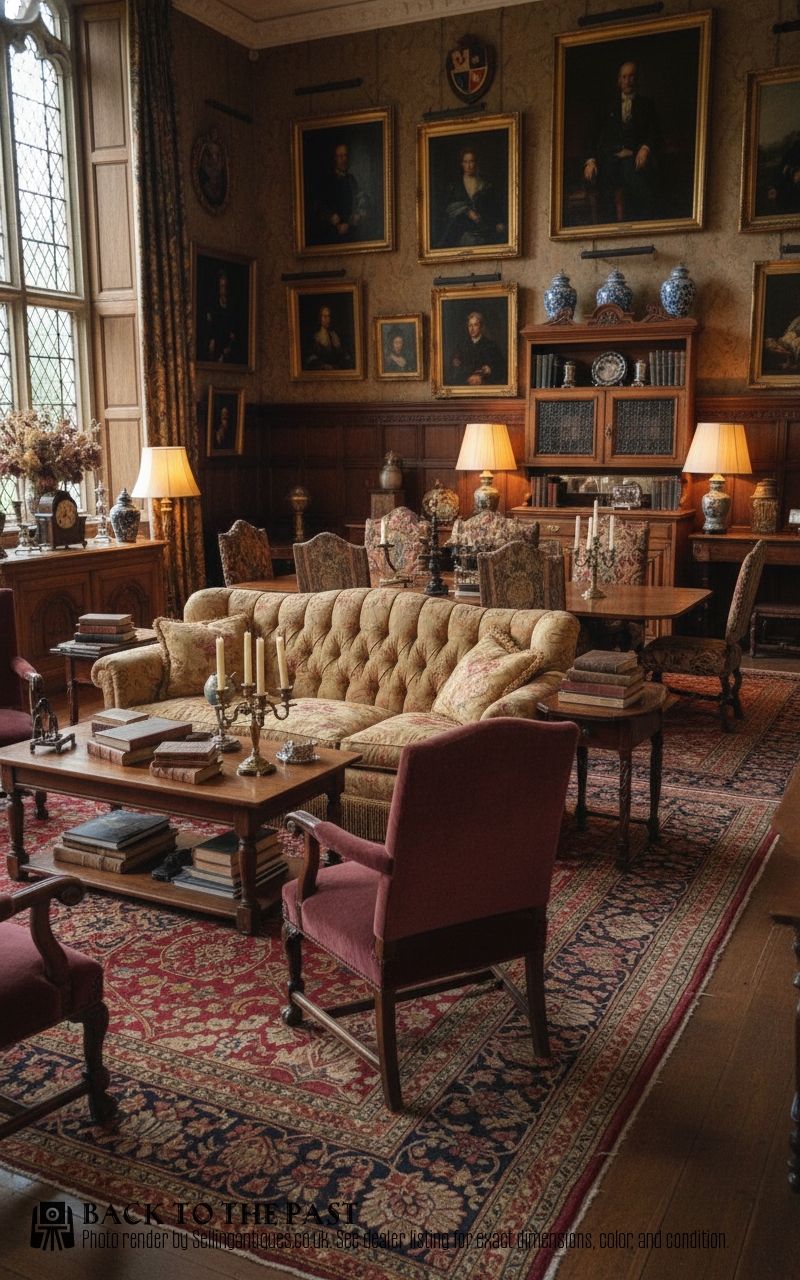
Oak Cabinet with Mirror
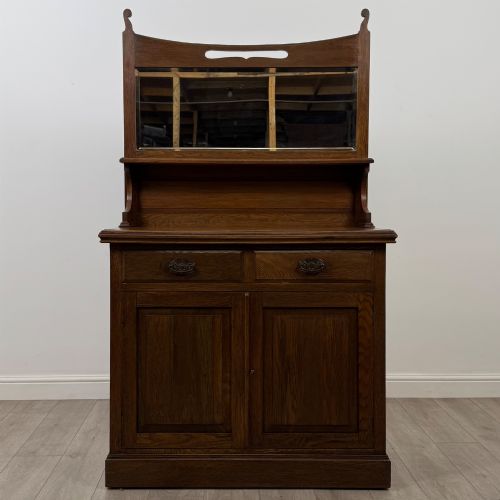
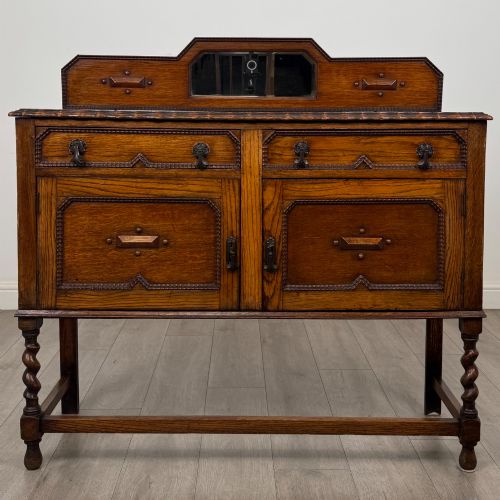
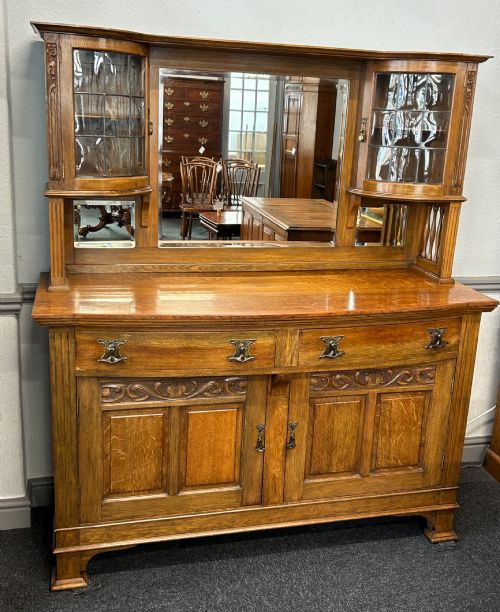
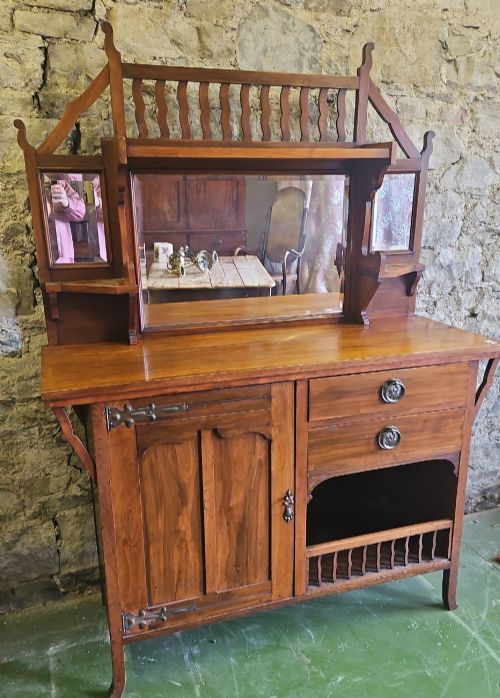
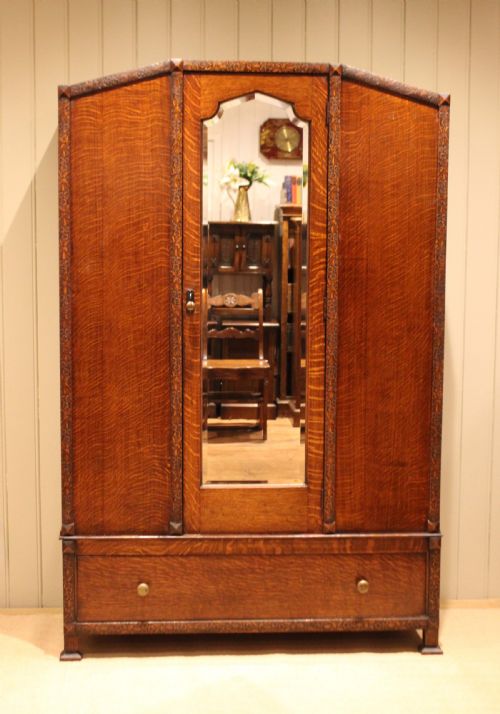
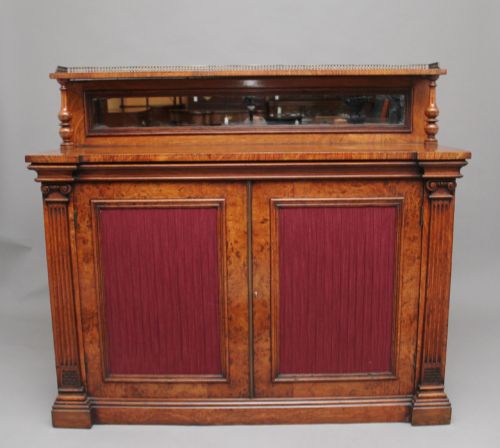
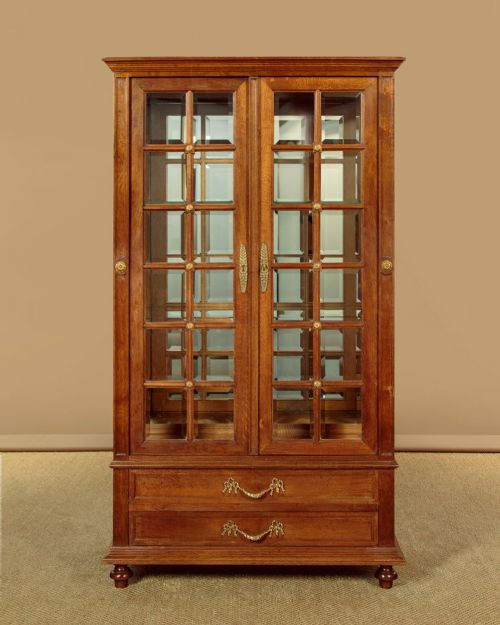
An oak cabinet with mirror appears predominantly in the form of sideboards, wardrobe designs and display pieces across the Victorian and Edwardian eras. These domestic items merge functional storage in durable timber with an integrated looking glass panel to brighten interior spaces.
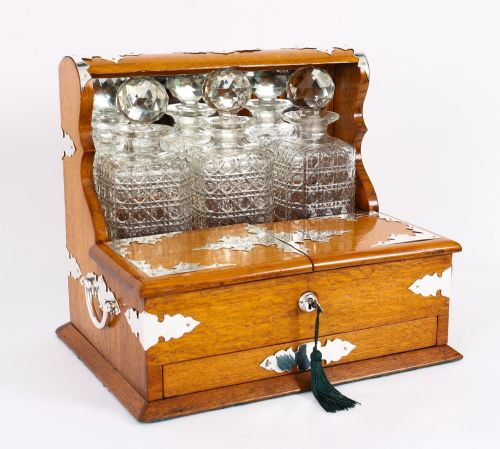
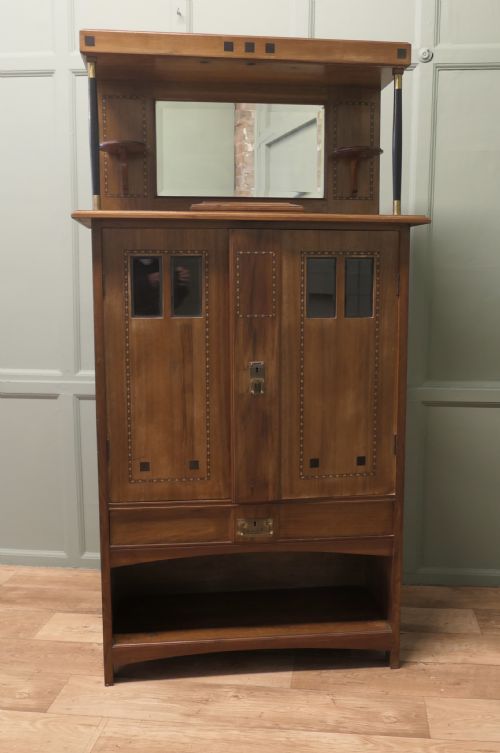
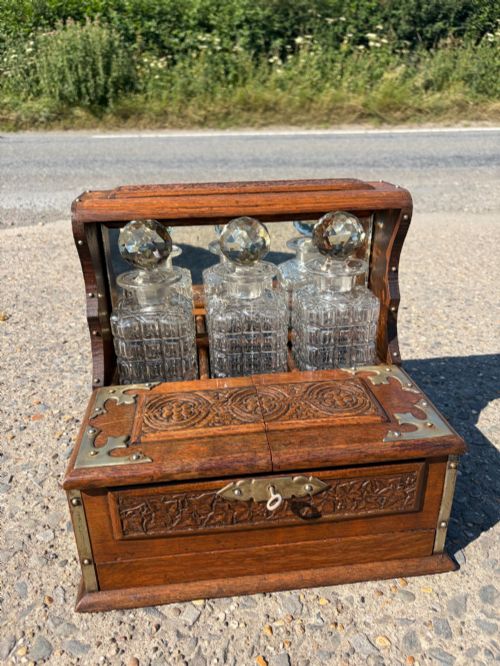
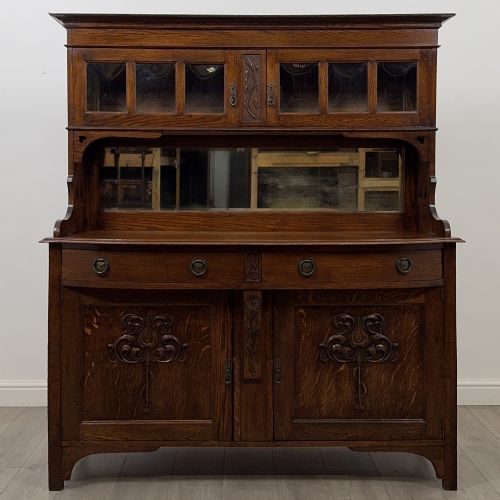
The search phrase encompasses diverse functional types, ranging from light oak mirror back sideboard constructions to elaborate Arts and Crafts and Secessionist cocktail display cabinets. Regional workshops and commercial makers of the nineteenth and early twentieth centuries produced these items for domestic utility and reception room display.
Materials and construction methods
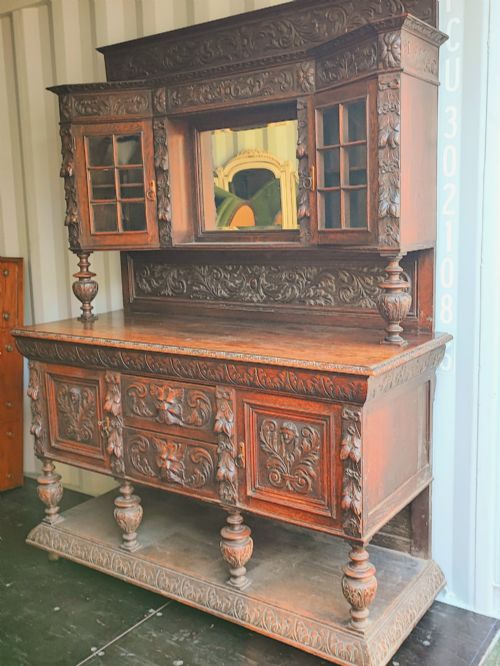
Makers utilised solid oak and pollard oak, often combined with pine for secondary structural elements, selecting timber for its robust grain and durability. Surface decoration frequently involved hand carving, reflecting Victorian and Jacobean Revival tastes.
Mirrors were set into back panels or cabinet doors, sometimes complemented by gilt brass mounts, brass hardware and leaded glass doors. Ceramic components occasionally appeared within internal fittings or decorative handles.
Some Edwardian safe cabinets disguised domestic security behind polite oak panelling.
Judging quality and craftsmanship
Distinctions in quality rest upon the selection of timber, such as figured pollard oak, and the precision of the joinery and carved ornamentation. Superior examples display crisp detail in applied carvings and harmonious proportions between the timber housing and the glass plate.
Stylistic coherence also separates standard commercial productions from finer items, particularly in Arts and Crafts and Secessionist pieces where integrated hardware and thoughtful design dictate the overall presence.
The Oak Cabinet with Mirror Glossary
- Pollard oak
- Timber taken from trees that have been pollarded, producing a heavily figured, knotted grain pattern highly prized for decorative veneer and panels.
- Mirror back sideboard
- A large dining room or reception base unit featuring an upright superstructure fitted with a glass mirror plate.
- Arts and Crafts
- A design movement favouring handcrafting, simple vernacular forms and natural materials over mass-produced ornamentation.
- Secessionist
- A stylistic approach emerging around nineteen hundred that embraced geometric lines and modern decorative motifs, distinct from strict historic revivalism.
- Leaded glass
- Small panes of glass held together within a framework of lead cames, frequently utilised in cabinet door construction.
Oak Cabinet with Mirror: Frequently Asked Questions
How do I date an oak cabinet with mirror?
Dating relies upon stylistic markers such as heavy Victorian carving, Edwardian light oak tones, or geometric Secessionist influences. Construction methods and hardware types also provide clues to the decade of manufacture.
Examining secondary timbers like pine and the manufacturing techniques used on the mirror frame helps establish whether a piece belongs to the nineteenth or early twentieth century.
Where were mirror back sideboards used?
These large furniture forms typically stood in Victorian and Edwardian dining rooms to serve food and display silver or ceramics. The reflective glass served to bounce light around domestic entertaining spaces.
They functioned as central status pieces in middle-class and grand homes alike, combining storage cupboards with display shelves.
What is pollard oak?
Pollard oak is a decorative timber harvested from trees cut back near the trunk to encourage dense, knotty growth. This creates swirling grain patterns used on feature panels.
Cabinet makers reserved this striking wood for the most prominent surfaces of high-end Victorian sideboards.
How do I care for antique oak and mirror glass?
Maintain the oak with traditional wax polish to nourish the grain, avoiding silicone-based sprays. Keep the timber away from direct heat sources to prevent warping.
Clean the mirror glass carefully with a soft cloth, ensuring moisture does not seep behind the silvered backing or into the wooden frame joints.