

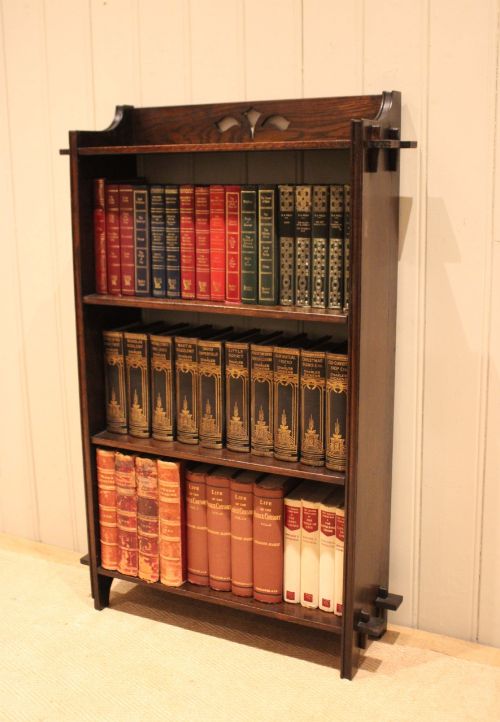
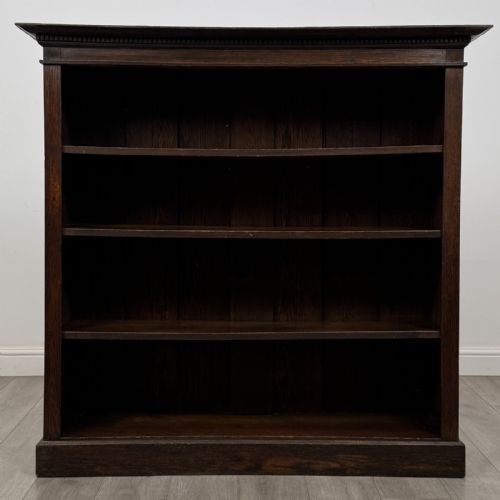
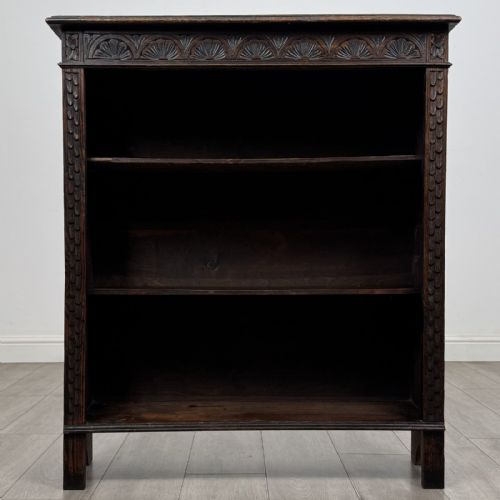
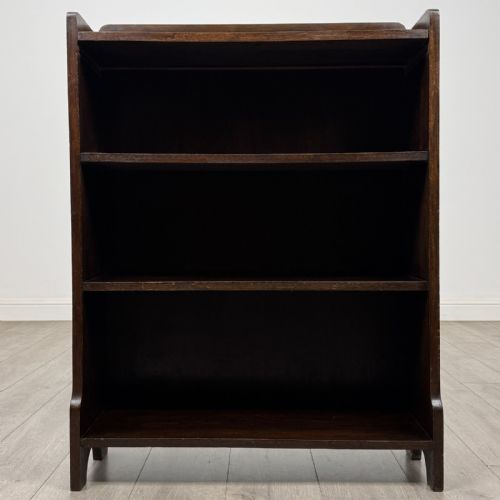
Oak Bookcase on Stand
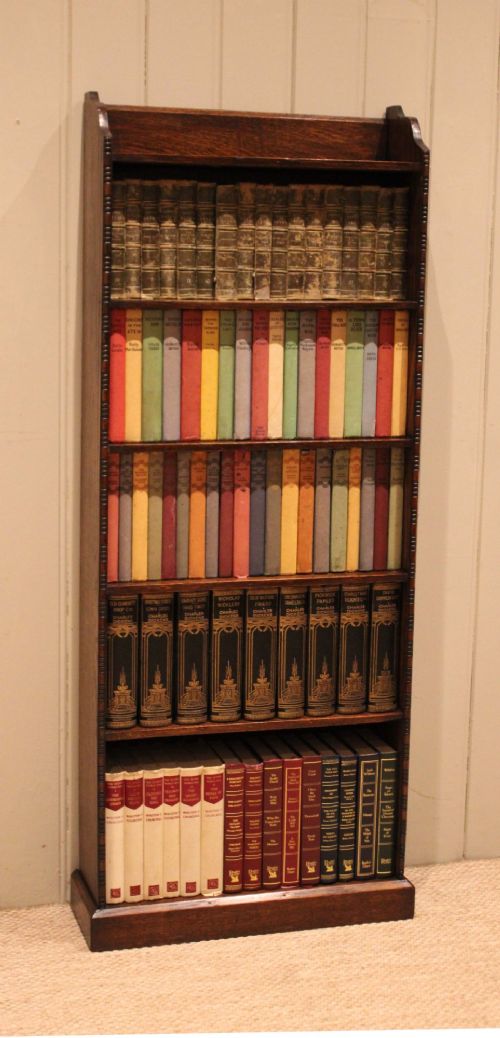
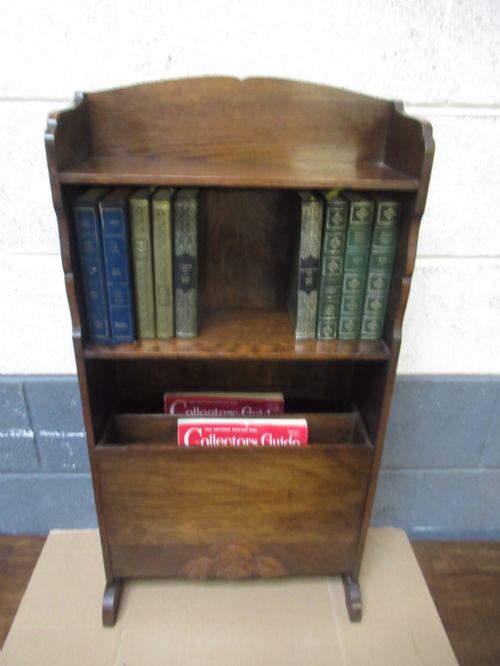
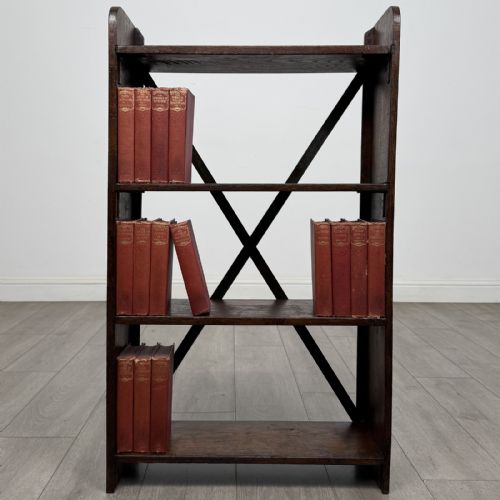
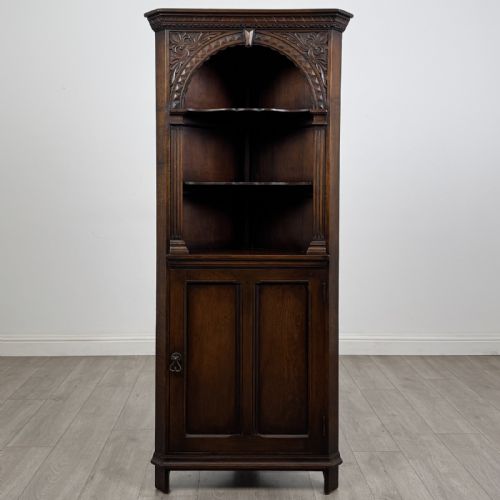
Oak bookcase on stand pieces bring sturdy practicality and historic character to a room, offering elevated storage for cherished volumes.

Oak Bookcase on Stand
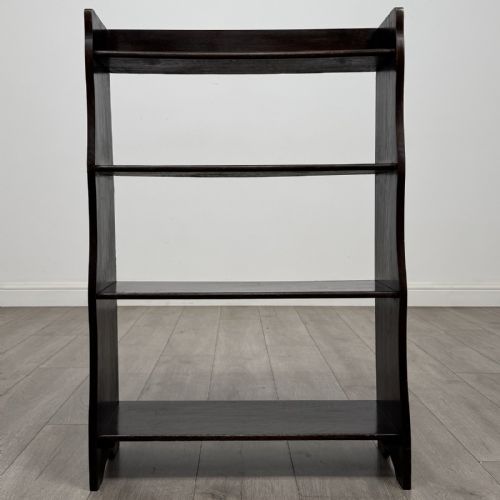
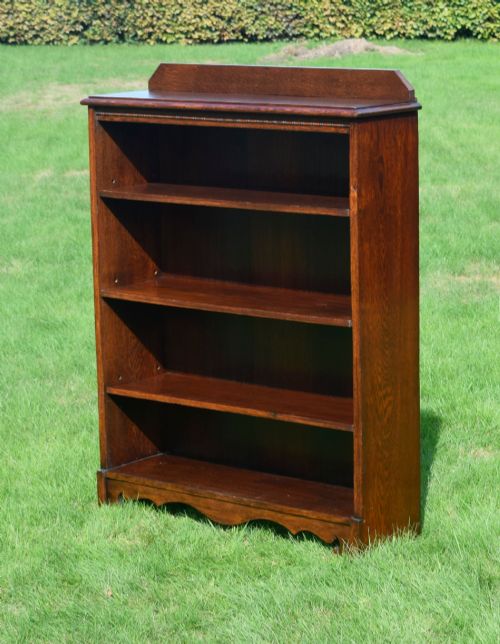
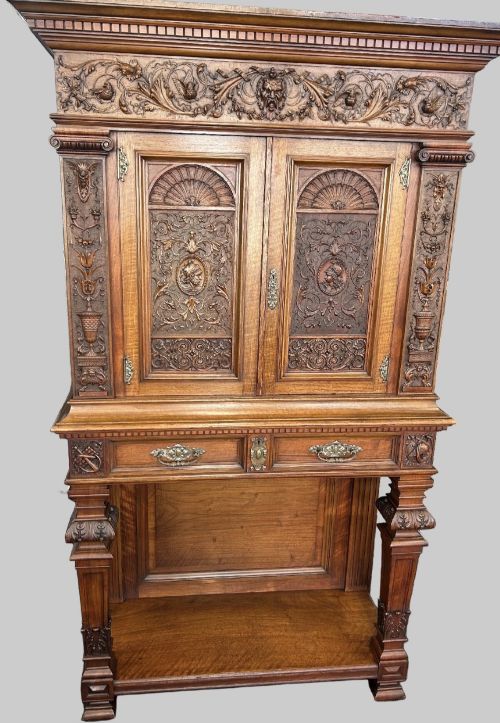
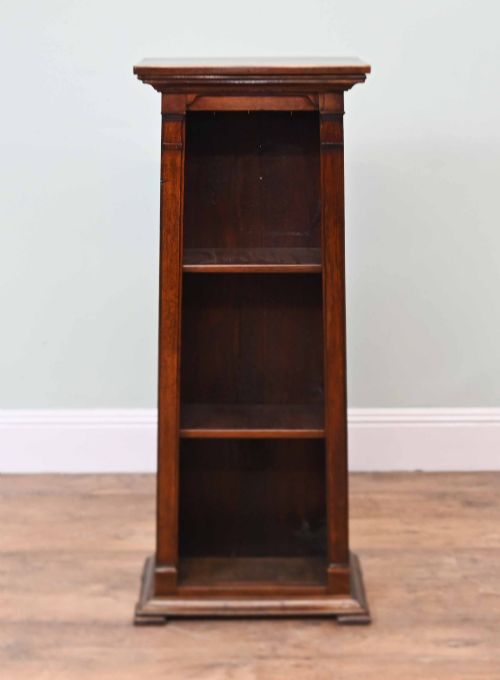
When you search for an oak bookcase on stand, you encounter pieces designed to keep books elevated and accessible, often combining open shelving with a raised base or frame. The selections here draw from periods including the Victorian era, Edwardian years, and the early twentieth century.
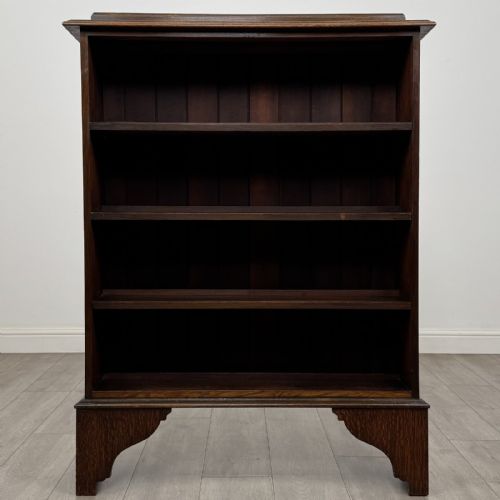
The versions most common on this page range from compact open shelf formats and revolving designs to side tables and library carts. Makers utilised solid oak, dark oak, and golden oak to construct these functional items.
Stylistic influences span Arts and Crafts, Art Deco, and Jacobean Revival. These pieces reflect practical domestic requirements of past centuries, uniting simple open storage with sturdy wooden frames.
Materials and construction methods
Construction relies heavily on solid oak and dark oak timbers, chosen for their durability and distinctive grain patterns. Workshops employed traditional joinery techniques to ensure stability across open shelves, revolving mechanisms, and raised stands.
Metal components such as brass and cast iron appear in hinges, brackets, and library cart castors, adding functional support and subtle contrast to the timber. Glass panels are also utilised in glazed cabinet variations to protect contents from dust.
Oak Bookcase on Stand Retail Price Guide 2026
Typical asking prices for oak bookcase on stand among the pieces listed under this phrase on Sellingantiques today, from the lower quarter to the upper quarter. They describe what is for sale here now, not the wider market.
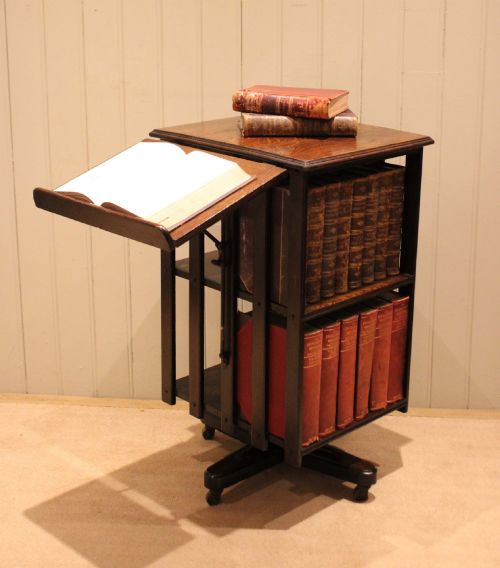
Several revolving bookcases on this page likely spent decades spinning endlessly under the eager hands of studious readers.
Evaluating quality and craftsmanship
Quality rests upon the selection of timber and the precision of the joinery, distinguishing sturdy utilitarian items from finer decorative examples. Grain matching and the integrity of carved details reveal the skill of the maker.
The condition of moving parts, such as revolving mechanisms or adjustable shelf supports, marks the difference between standard production pieces and superior workshop output.
Heals
The Oak Bookcase on Stand Glossary
- Oak
- A dense, durable hardwood widely used in furniture making for its strength and prominent grain. It forms the primary material for the pieces gathered here.
- Arts and Crafts
- A design movement emphasising handcraftsmanship, simple forms, and traditional materials. Pieces from this style often feature honest construction without excessive ornamentation.
- Revolving bookcase
- A rotating table-top or floor-standing unit designed to hold multiple volumes within arm's reach. They allow easy browsing from a seated position.
- Glazed cabinet
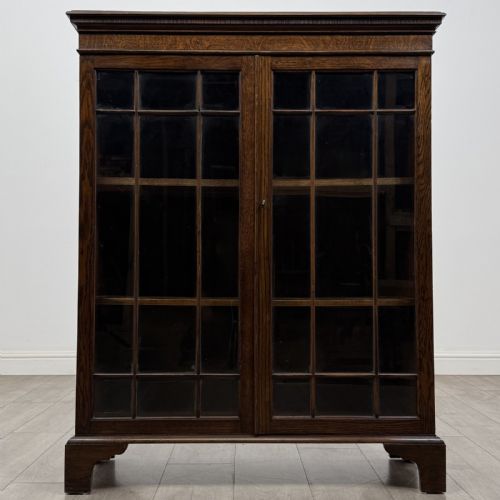
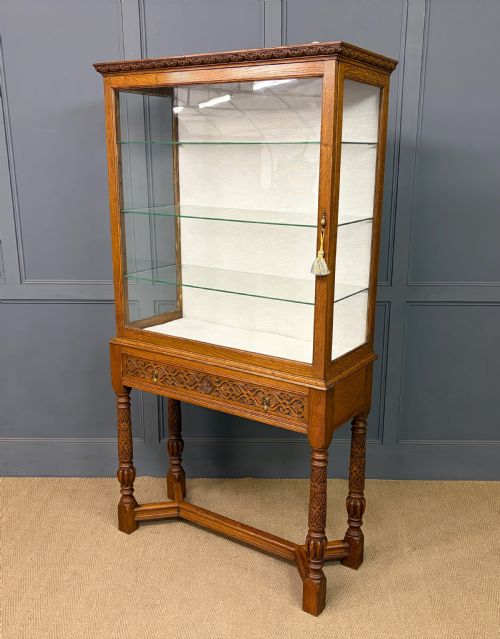
- A storage unit featuring glass door panels that protect books or display items while keeping them visible. This format safeguards delicate volumes from dust.
- Jacobean Revival
- A style drawing inspiration from seventeenth-century design, characterised by dark timber, heavy proportions, and turned supports. It appears frequently in traditional British furniture.
Oak Bookcase on Stand: Frequently Asked Questions
How do I date an oak bookcase?
Dating relies on observing stylistic markers, hardware, and construction methods. Edwardian and Victorian pieces often show specific revival styles or machine-sawn timber characteristics.
Earlier examples from the seventeenth century utilise distinct pegged joinery and hand-carved details that differ from twentieth-century production methods.
Where were these pieces used?
These pieces served primarily in home libraries, studies, and parlours to keep reference volumes and literature close at hand. Revolving versions suited corner placements near armchairs.
Smaller standing formats functioned well in tighter domestic spaces where floor area was limited.
How do I care for antique oak?
Caring for antique oak involves keeping the timber away from direct heat sources and sudden humidity changes to prevent splitting. Regular dusting with a dry, soft cloth maintains the finish.
Application of traditional wax polish helps nourish the wood grain without building up heavy chemical residues.