


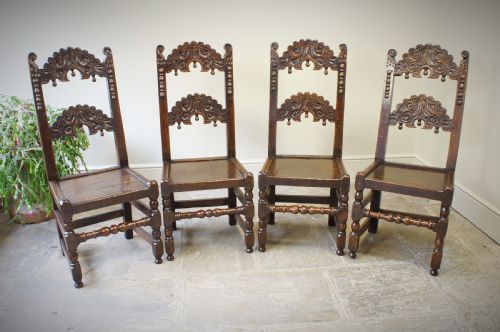


Oak Backstool Chairs
Oak backstool chairs are robust early seating pieces built for domestic life, offering upright support and honest timber construction.
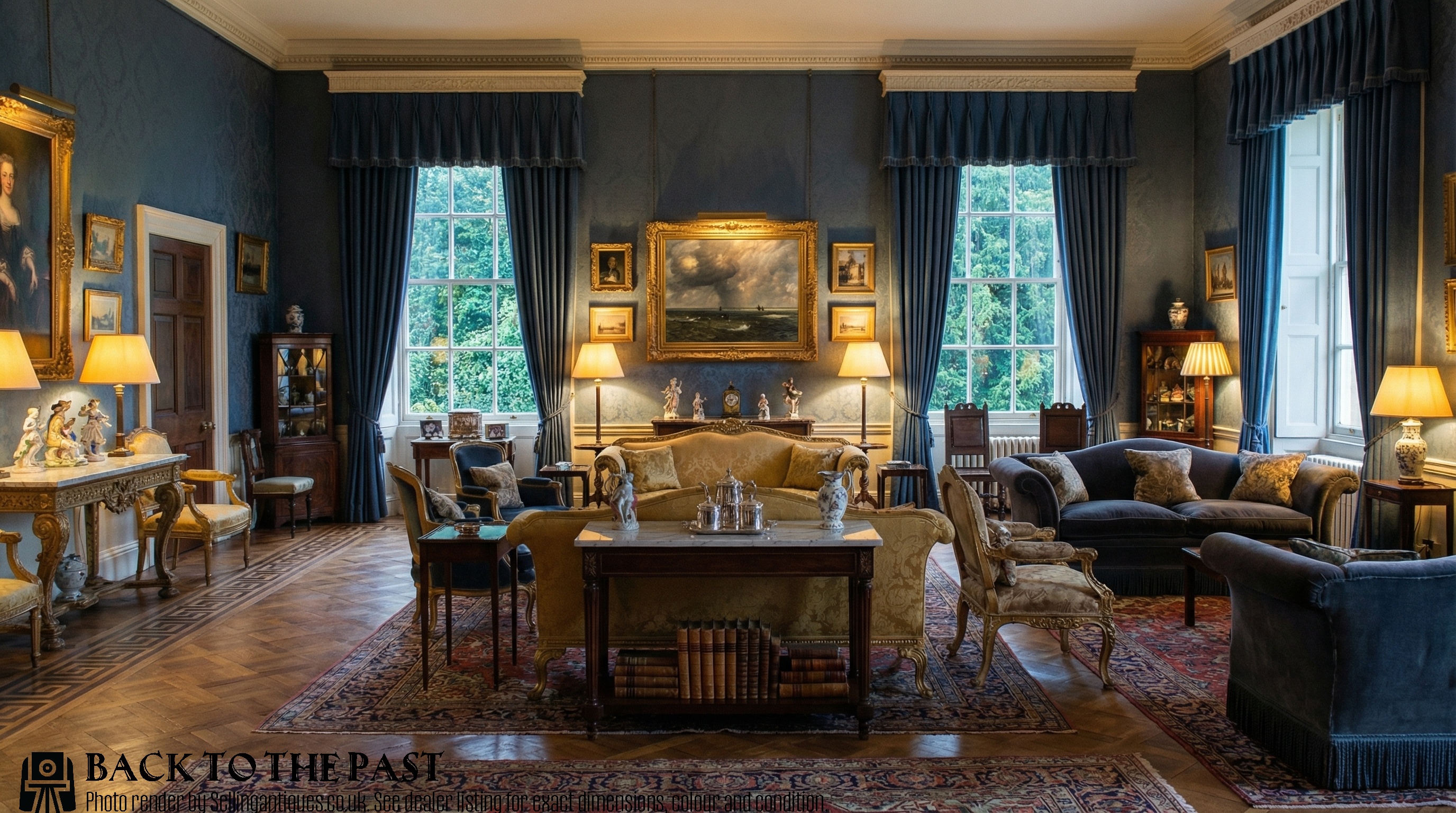
Oak Backstool Chairs
Oak backstool chairs represent sturdy early seating designed without arms, featuring a high vertical back and four turned or shaved legs. Buyers searching for oak backstool chairs will encounter robust pieces primarily originating from the seventeenth century, alongside occasional regional interpretations from the Georgian era.
The selection on this page leans heavily towards seventeenth-century joined examples, including regional variations from Yorkshire, South Yorkshire, and the Conwy Valley in North Wales. These early forms often serve as side chairs or dining chairs, reflecting the changing domestic habits of their period.
Makers utilised solid timber construction techniques, occasionally incorporating upholstery, cane, or tapestry into the seats and backs for added comfort. Regional traits distinguish the Welsh vernacular pieces from their Yorkshire counterparts, providing distinct silhouettes for the collector.
Construction and Materials
Makers constructed these chairs predominantly from solid oak using traditional joinery methods such as mortise and tenon joints secured with wooden pegs. The structural framework relies on heavy timber rather than applied veneer, ensuring durability across centuries of use.
Surface decoration on seventeenth-century examples frequently involves carved detailing on the crest rails and stiles, reflecting Jacobean and vernacular styles. Later pieces incorporate disparate decorative elements such as brass details, gilt work, or lacquer finishes.
Upholstered variants integrate tapestry materials or cane work into the frames, altering the texture and visual weight of the seating. Wood selection varied by region, utilising local oak stocks that determined the grain pattern and eventual patina.
Early chair makers occasionally utilised whatever scrap timber was closest to the workbench, resulting in delightful asymmetries hidden beneath the seat.
Judging Quality
The standard of carving and the crispness of detail on the woodwork separate exceptional examples from simpler vernacular pieces. Deeply carved motifs and well-proportioned turned legs indicate superior craftsmanship within seventeenth-century workshops.
The integrity of the original joinery and the survival of early timber surfaces dictate the overall desirability of a chair. Pieces that retain their structural firmness without excessive timber replacement demonstrate better historical survival.
Regional distinctiveness also plays a role in the hierarchy, with specific characteristics from known production areas holding particular interest for specialists. The integration of period upholstery materials or appropriate coverings enhances the historical context.
The Oak Backstool Chairs Glossary
- Backstool
- An early term for a chair without arms, typically featuring a tall narrow back and a wooden or upholstered seat. This designation distinguishes armless seating from larger armchairs of the period.
- Joined oak
- Furniture constructed using mortise and tenon joints secured with wooden pegs rather than metal nails. This method defines seventeenth-century cabinet making and provides high structural integrity.
- Jacobean
- The style of design prevailing during the reign of James the First, characterised by heavy proportions and geometric or strapwork carving. It heavily influences seventeenth-century vernacular woodwork.
- Vernacular
- Objects made by local craftsmen for everyday regional use rather than high-style metropolitan workshops. These pieces often display idiosyncratic construction methods and local timber choices.
- Japanned
- European imitation of East Asian lacquer work, achieved using layered varnishes and metallic dust. This finish appears on select pieces around the turn of the eighteenth century.
Oak Backstool Chairs: Frequently Asked Questions
What is an oak backstool?
An oak backstool is an early form of armless chair featuring an upright wooden back and four legs. The term specifically denotes seventeenth-century seating designed for domestic interiors.
These pieces typically functioned as side or dining chairs before upholstered comfort became standard. Their straightforward construction makes them durable survivors of early domestic life.
How old are these chairs?
The majority of these chairs date from the seventeenth century, spanning the Jacobean and William and Mary periods. Regional vernacular makers continued producing similar heavy timber forms into the early eighteenth century.
Dating relies on construction methods, joinery types, and stylistic indicators such as carved strapwork or turned leg profiles. Examining the timber shrinkage and peg placement helps confirm the age.
Where were they made?
These chairs originated in various British regions, with specific groups associated with Yorkshire, South Yorkshire, Lancashire, and North Wales. Local craftsmen utilised native timber stocks to build seating suited to regional domestic requirements.
Regional variations appear in the crest rails, turning styles, and overall proportions. This geographical diversity allows collectors to identify specific vernacular traditions.
How do I care for an oak backstool?
Maintaining an early oak chair involves keeping it in a stable environment away from direct heat sources and dramatic humidity fluctuations. Periodic application of microcrystalline wax helps nourish the dry timber surface without attracting dust.
Avoid placing excessive weight on fragile joined joints or historic cane and upholstery work. Gentle dusting with a soft cloth preserves the accumulated patina of the wood.