


Oak Art Deco Lamp
An oak art deco lamp brings geometric presence and rich grain to a room, combining architectural form with everyday utility.
Oak Art Deco Lamp
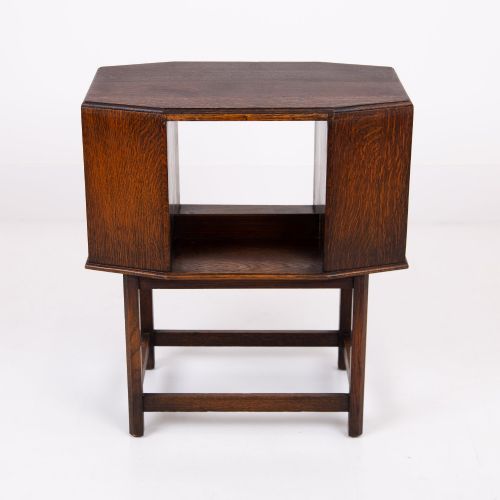
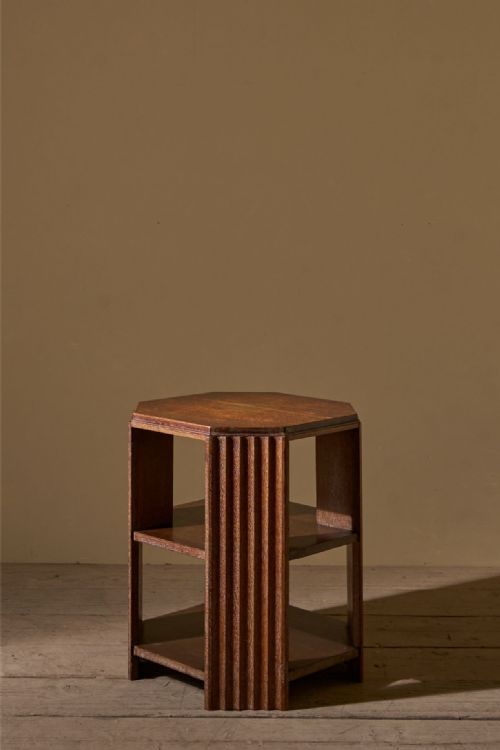
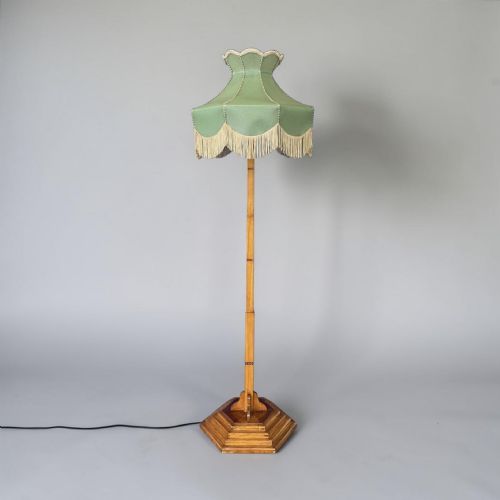
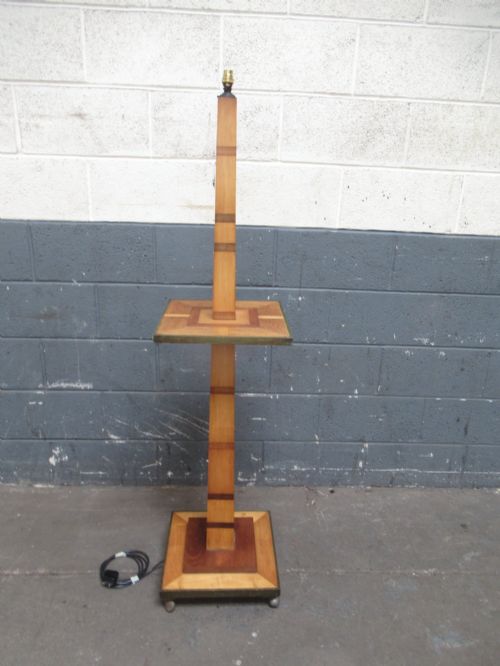
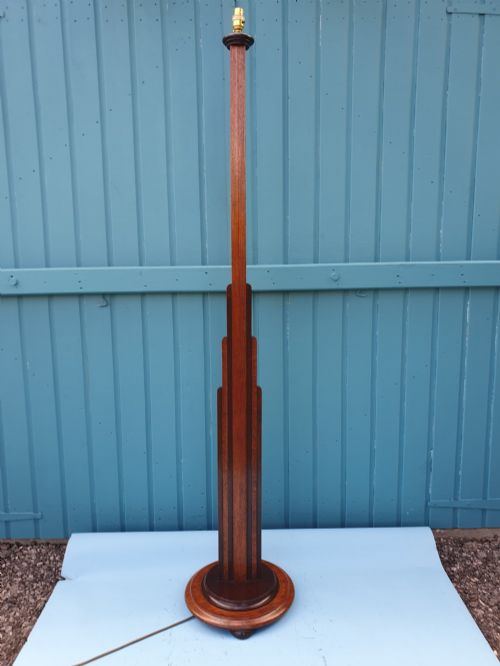
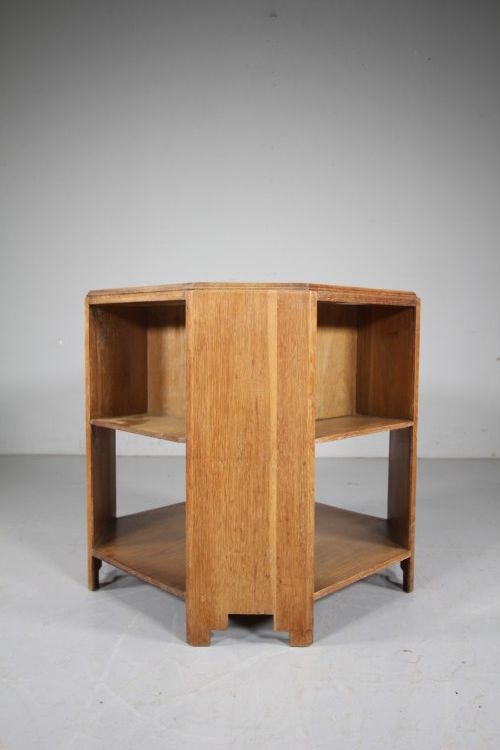
The oak art deco lamp appears primarily in two distinct forms across these records: tall floor-standing standard lamps and compact occasional side tables designed specifically to hold lighting. These pieces originate predominantly from the 1920s and 1930s, capturing the transitional shift toward modernism.
Floor lamps stand upright with architectural profiles, while table variants integrate shelves, storage, or bookcase sections directly into their frames. Buyers encounter solid oak alongside golden oak, limed oak, and ebonised details that emphasise the linear geometry of the period.
Materials and Construction
Construction relies heavily on solid oak and oak veneers, frequently paired with contrasting ebonised timber, brass hardware, and fabric or fringe shades. Makers utilise bentwood techniques and integrated shelving to combine structural support with functional storage.
Surfaces showcase natural grain through clear finishes or limed treatments, while occasional pieces incorporate inlay and tiered skyscraper or odeon silhouettes to heighten the modernist aesthetic.
Listings feature oak combined with brass, fabric, fringe, walnut, satinwood, bentwood, and veneer across the 1920 and 1930 periods.
Judging Quality
Quality rests in the strength of the architectural silhouette and the deliberate contrast between timber tones, such as golden oak against ebonised accents. Superior examples display thoughtful integration of functional elements like bookshelves and octagonal storage compartments within the main structure.
Finer pieces maintain crisp geometric lines without excessive ornamentation, relying instead on the inherent figuring of the oak and balanced proportions to establish their character.
Heals
The Oak Art Deco Lamp Glossary
- Standard Lamp
- A tall floor-standing lamp designed to provide ambient room illumination. These vertical fixtures often anchor seating areas within interior spaces.
- Odeon Style
- An architectural design influence derived from the tiered, stepped cinema facades of the period. Pieces in this style feature cascading geometric layers.
- Limed Oak
- Timber treated with a specialised white pigment finish to highlight the open grain pattern. This technique lightens the wood while accentuating its natural texture.
- Occasional Table
- A small, movable table intended for specific secondary uses such as supporting a lamp. These versatile items fit easily beside chairs or sofas.
Oak Art Deco Lamp: Frequently Asked Questions
What defines an art deco floor lamp?
These tall vertical fixtures utilise stepped profiles, geometric massing, and architectural lines typical of the period. They direct light upward or outward while serving as sculptural elements in a room.
Materials lean heavily on oak, often accented with brass or contrasting ebonized timber to emphasise the modernist aesthetic.
How are 1920s and 1930s pieces distinguished?
Pieces from the 1920s often retain transitional elements from earlier decorative traditions alongside emerging modern lines. By the 1930s, designs embrace more streamlined skyscraper and odeon silhouettes.
Timber treatments also shift, with limed oak and ebonized contrasts becoming particularly prominent in the later decade.
Where do these lamps fit best?
Standard lamps suit corners or seating groups where vertical height balances low furniture. Table variants sit comfortably beside armchairs or serve as hall console surfaces.
The warm tones of oak and brass integrate smoothly into both period interiors and contemporary minimalist rooms.