


Timber Light Standard
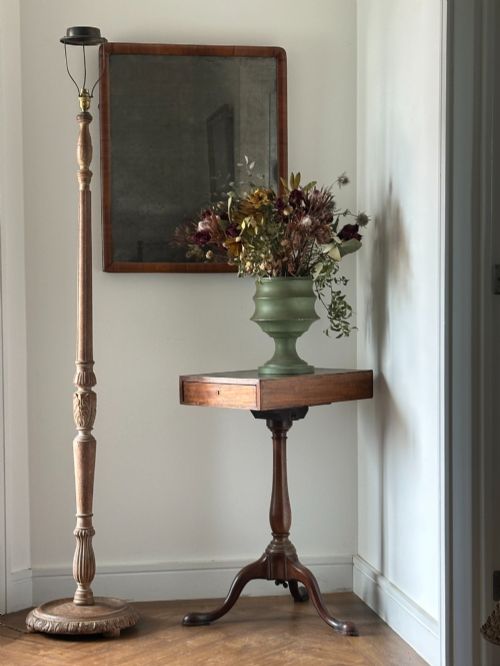
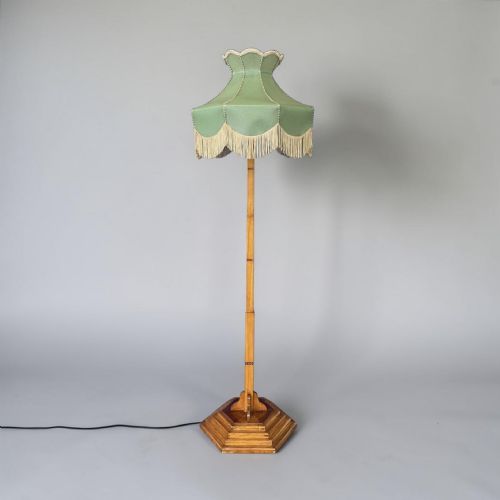
These timber light standard pieces bring tall illumination and warm wood grain to a room.
Timber Light Standard
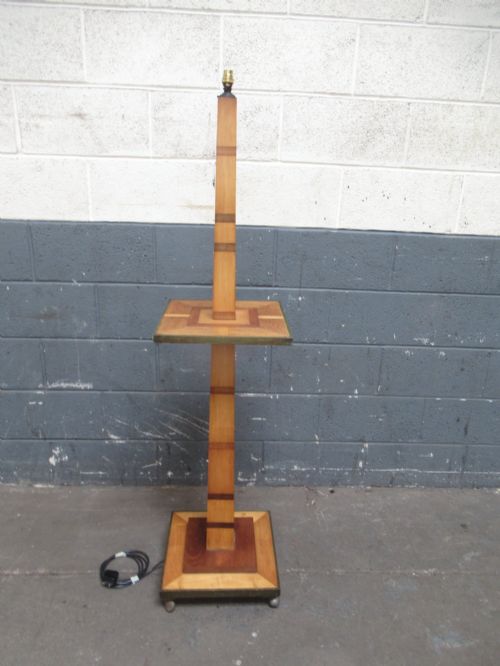
A timber light standard is a tall floor-standing lamp base designed to hold a shade and cast light across a room. When you search for this phrase, you encounter upright wooden stems dating from the late nineteenth century through to the interwar decades. The most common examples on this page are sturdy oak or walnut standard lamps from the nineteen-thirties, often displaying clean geometric lines.
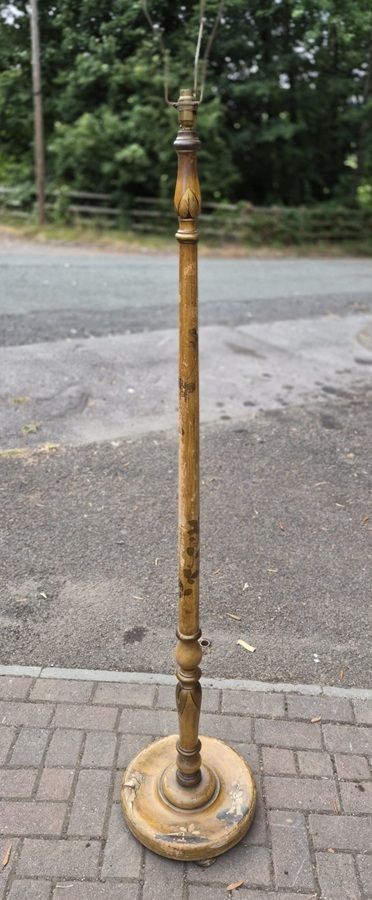
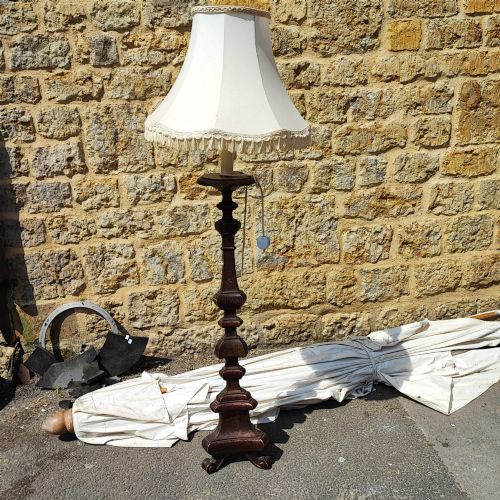
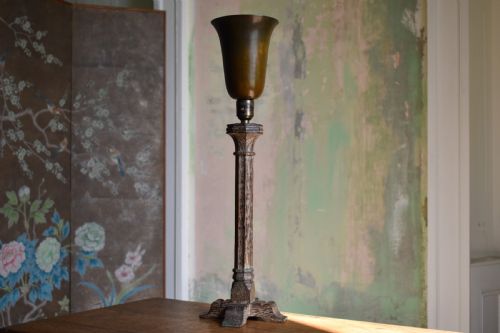
Beyond plain oak, the selection includes pieces influenced by Edwardian Chinoiserie, Arts and Crafts workmanship, and intricately carved Anglo-Indian styles. You will find standard lamps alongside taller floor lamps and occasional smaller table lamps, spanning multiple stylistic movements of the early twentieth century. Each specimen reflects the domestic lighting trends of its specific period.
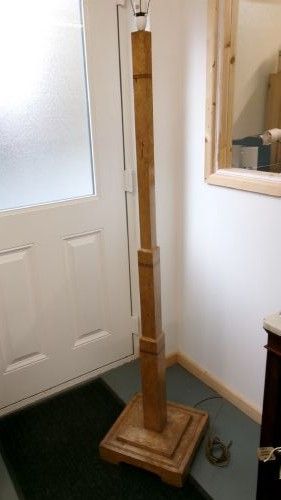
The materials vary from standard turnings in beech and mahogany to exotic padauk wood and limed finishes. Whether you seek a stepped Art Deco profile or a deeply carved Kashmiri pillar, these upright lamps serve as functional furniture and decorative vertical elements. They suit corners of sitting rooms and studies where height and warmth are required.
How they were made
The construction relies heavily on seasoned timbers such as oak, walnut, mahogany, beech, and padauk, frequently turned on a lathe to create symmetrical shafts and weighted bases. Many feature hand-carved ornamentation, such as the elaborate foliage seen on Kashmiri and Anglo-Indian examples, or stepped geometric tiers characteristic of the nineteen-thirties.
Surface treatments vary from polished golden oak and dark ebony inlay to limed finishes and painted decorations. Makers combined solid hardwoods with stable joinery methods to ensure that a tall vertical shaft could support both the electrical fittings and a fabric shade without listing.
What varies in quality
The calibre of a standard lamp depends on the selection of the timber and the crispness of the carving or turning. Superior examples display carefully figured walnut, rich padauk, or striking combinations like golden oak paired with ebony inlay, rather than plain utility timbers.
Structural stability dictates the upper tier of quality. A heavy, well-balanced base and precise joinery keep the tall shaft rigidly upright, whereas lesser pieces may show minor wobbles or indifferent lathe work.
Whytock and Reid
The Timber Light Standard Glossary
- Standard lamp
- A traditional British term for a tall floor lamp designed to stand upright on the floor. It typically supports a large fabric shade at eye level.
- Limed oak
- Timber treated with a specialised finish that leaves a white pigment in the grain pores. This technique accentuates the natural texture of the oak while lightening its overall colour.
- Padauk
- A dense, heavy tropical hardwood prized for its deep reddish-brown hue and durability. It was frequently utilised in export pieces from Burma and surrounding regions.
- Art Deco
- A design style spanning the twenties and thirties characterised by streamlined geometric forms, stepped profiles, and modern materials. These lamps often feature clean vertical lines and contrasting dark and light woods.
Timber Light Standard: Frequently Asked Questions
How do I date a timber light standard?
Dating relies on examining the timber species, the turning style, and stylistic markers such as stepped bases or carved foliage. Edwardian and interwar pieces often show distinct decorative motifs characteristic of their decade of manufacture.
Hardware, wiring channels, and the method of assembly also provide clues to age. Comparing the profile to documented furniture styles helps narrow down the production period.
What is the difference between a floor lamp and a standard lamp?
In British usage, standard lamp traditionally refers specifically to a tall, wooden, post-style lamp base intended for a corner of a room. Floor lamp can sometimes encompass a broader range of adjustable or metal uplighters.
Both terms are frequently used interchangeably in modern marketplace listings. The physical form remains the same: a tall vertical stem supporting a shade.
Are these lamps safe for modern electrical use?
Most antique and vintage lamps will require rewiring to meet contemporary safety standards. It is standard practice for buyers to have a qualified electrician check or update the internal cord and bulb holder.
The wooden structure itself remains durable, but the functional electrical components should be treated as modern replacements.
How do I choose the right shade?
Selecting a shade involves balancing the height and visual weight of the wooden stem. Tapered drum shades or traditional pleated styles in neutral fabrics often complement the proportions of an antique standard lamp.
Consider the colour of the wood, whether dark walnut or limed oak, when picking fabric tones to ensure the finished piece sits harmoniously in your room.