





Oak Architectural Fragment
These oak architectural fragment pieces bring genuine period character to a room, offering carved panels, ceiling bosses, and figures retrieved from older structures.
Oak Architectural Fragment
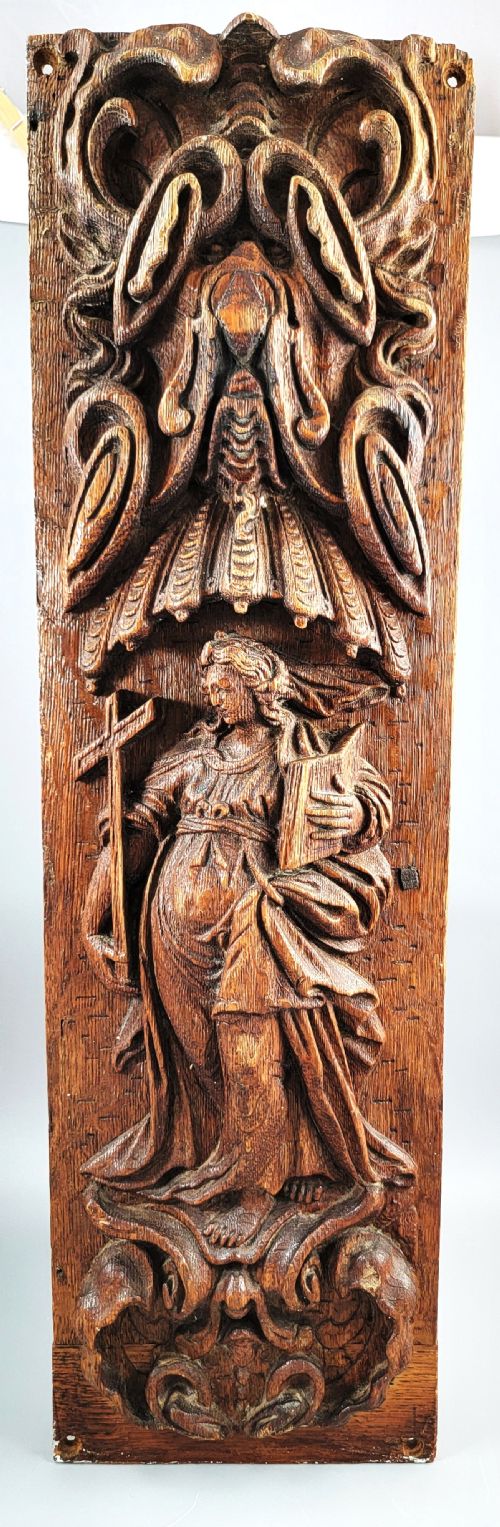
An oak architectural fragment represents a salvaged piece of historic woodwork, ranging from medieval gothic tracery and ceiling bosses to seventeenth-century friezes and carved panels. Buyers seeking these items will encounter various forms, including wall relief carvings, sculptures, and architectural salvage elements.
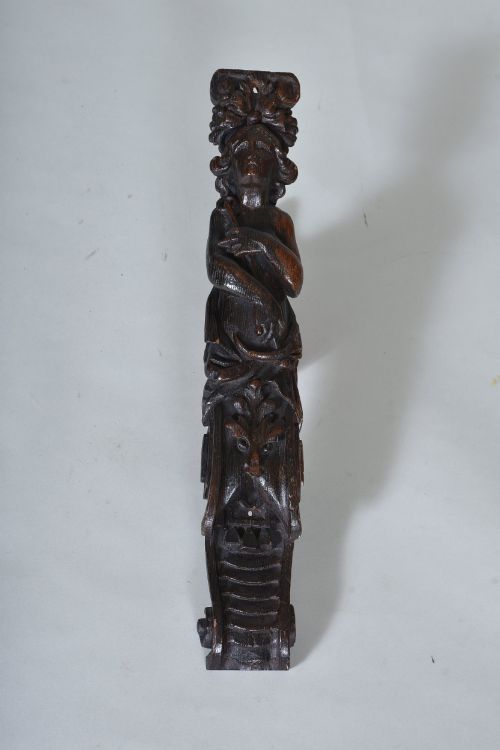
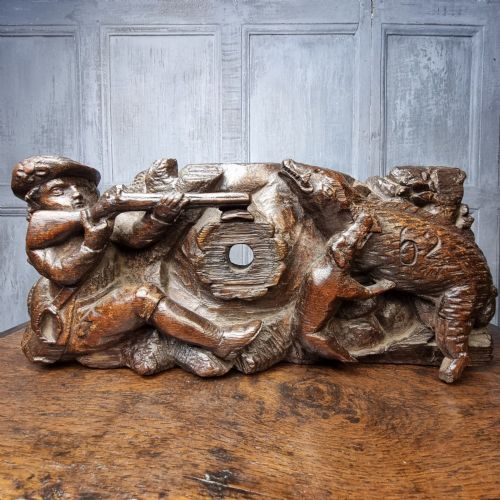
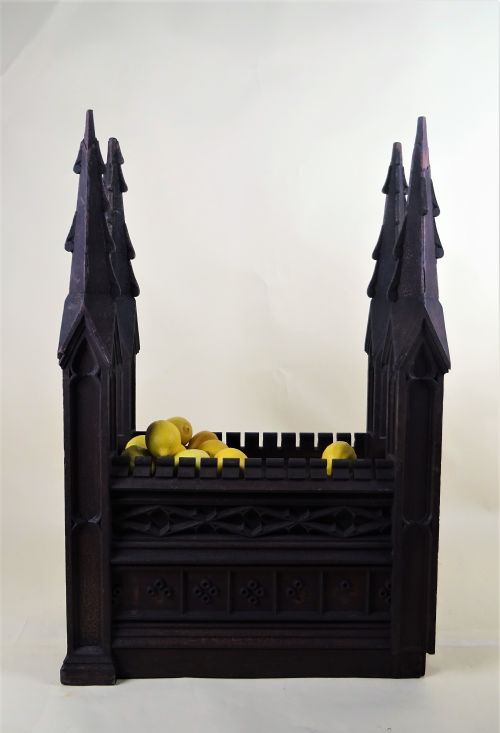
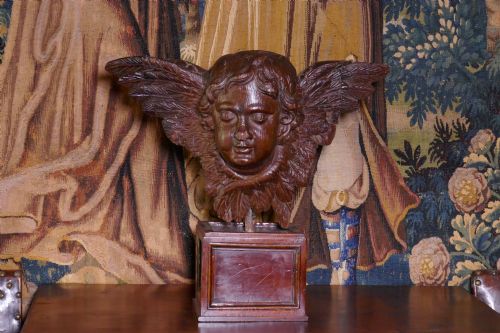
The pieces appearing on this page span several distinct periods, most notably the seventeenth century, alongside sixteenth-century items, eighteenth-century ceiling panels, nineteenth-century Gothic Revival work, and early twentieth-century English fairground fragments. Seventeenth-century carved oak panels and caryatids form a prominent part of the selection.
Originating from English and continental European sources, including Flemish and German workshops, these fragments showcase styles such as Jacobean, Baroque, and Flemish Renaissance. Collectors utilise them for interior decoration, wall mounting, or as standalone historic sculptures.
Factors defining quality
Quality in an oak architectural fragment depends upon the crispness of the hand carving and the depth of the relief work, particularly on figures, caryatids, and floral motifs like Tudor roses and poppy heads. Deeper, more expressive carving indicates superior craftsmanship by period artisans.
The integrity of the surviving timber and the clarity of the period style, whether seventeenth-century Jacobean or medieval gothic, distinguish finer examples. Original surface patination and untouched historic finishes also contribute significantly to an item's standing.
A Roman helmet manages to appear among seventeenth-century panels, proving historic carvers enjoyed classical military cosplay.
The Oak Architectural Fragment Glossary
- Architectural fragment
- A surviving portion of a larger building or decorative scheme, detached from its original context. These pieces retain artistic or historic value.
- Ceiling boss
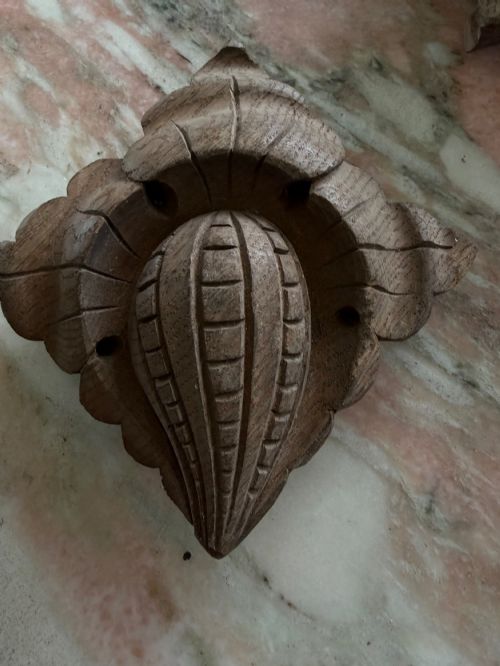
- A decorative projecting block placed at the intersection of ribs in a ceiling or vault. They often feature carved leaves or figurative designs.
- Caryatid
- A sculpted female figure serving as an architectural support taking the place of a column or a pillar. Seventeenth-century examples often depict figures with folded arms.
- Tracery
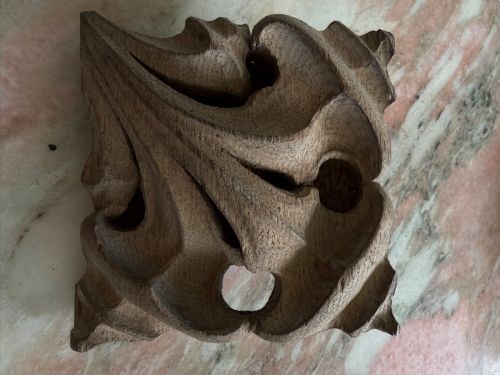
- Openwork stonework or woodwork elements supporting glass in a window or applied decoratively to panels. Medieval Gothic examples show distinct pointed arch patterns.
- Frieze
- A wide central section part of an entablature, often decorated with carvings. Period examples display repeating motifs or figural scenes.
Oak Architectural Fragment: Frequently Asked Questions
What is an oak architectural fragment?
An oak architectural fragment is a salvaged piece of historic woodwork taken from a building, church, or piece of furniture. These items include carved panels, friezes, and ceiling bosses.
They represent distinct periods from medieval times to the early twentieth century, retaining the hand-carved details created by period artisans.
How were these fragments used originally?
Originally, these carvings formed part of larger structures such as timber-framed buildings, church ceilings, wall paneling, or grand furniture. Ceiling bosses decorated vaulted roofs, while friezes lined upper walls.
Flemish and English workshops produced these elements to display status, religious devotion, or classical motifs within wealthy interiors.
How can I display these pieces at home?
Collectors typically mount carved oak panels and architectural fragments directly onto walls as focal art pieces. Smaller items like ceiling bosses or figures can rest on brackets or shelves.
Ensure secure wall fixings are used to support the weight of solid oak items without damaging the historic timber.
How do I identify the period of a carving?
Period identification relies on matching stylistic indicators such as Gothic tracery, Jacobean geometric patterns, or Baroque figurative work. Tool marks and the natural ageing of the dark oak provide further clues.
Comparing pieces to dated examples helps narrow down whether an item belongs to the sixteenth, seventeenth, or eighteenth century.