


Novelty Tea Caddy
These novelty tea caddy pieces mimic everyday objects and animals, giving a playful twist to storage.
Novelty Tea Caddy
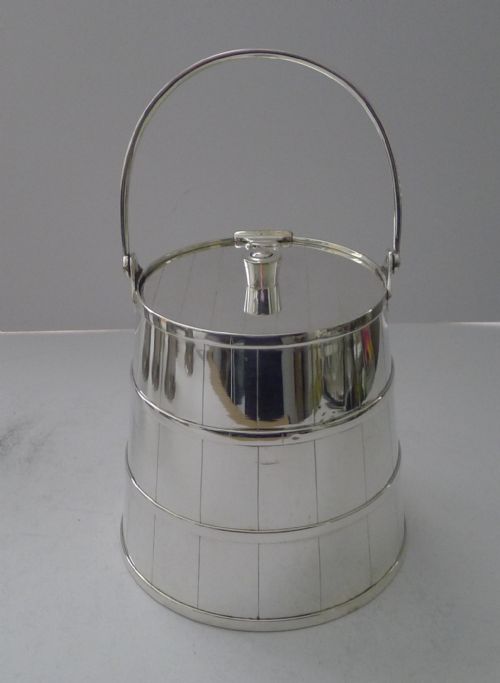
A novelty tea caddy takes whimsical shapes, including miniature sideboards, chests of drawers, bells, and thimble holders, stepping away from standard geometric boxes.
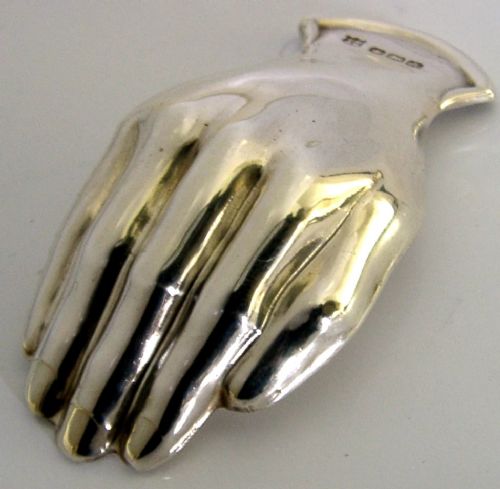
You will encounter pieces styled as jockey caps, hands, books, weight boxes, hat boxes, and paint tins alongside standard caddy spoons.
The selections span eras from the eighteenth century through Victorian, Edwardian, and Art Deco periods up to the mid-twentieth century.
Materials and construction
Silversmiths shaped sterling silver and silver plate into detailed forms like caps and hands, sometimes incorporating hallmarks from Birmingham.
Cabinetmakers utilised timber like rosewood, mahogany, and oak to construct miniature sideboards and chests of drawers.
Manufacturers also employed tinplate and lithographed metal to produce biscuit boxes and painted canisters.
Tea storage once involved miniature furniture and paint tins, proving that tea drinkers appreciated a good joke.
Quality differences
The choice of materials, from heavy solid sterling silver down to plated base metals or lithographed tin, dictates the grade of the piece.
William Neale·Asprey and Co
The Novelty Tea Caddy Glossary
- Hallmark
- Official stamps struck on precious metals indicating standard and origin. These assist in dating silver items.
- Sterling silver
- A silver alloy containing ninety-two point five percent silver by mass. It provides durability for detailed items.
- Lithographed metal
- Metal sheet printed with a design using a flat surface process. It allows colourful patterns on tins.
- Caddy spoon
- A short-handled spoon designed for measuring tea leaves. Novelty variants often feature figural terminals.
Novelty Tea Caddy: Frequently Asked Questions
What is a novelty tea caddy?
A novelty tea caddy is a container or spoon shaped to resemble an unexpected object, such as a hand, cap, or piece of furniture.
These items combine practical storage with playful design, reflecting the taste of Georgian, Victorian, and later makers.
How were novelty caddy spoons used?
Caddy spoons served to measure loose tea leaves from a caddy into a teapot.
Novelty versions shaped like jockey caps or hands added amusement to the daily tea table ritual.
What materials are common?
Common materials include sterling silver, silver plate, oak, mahogany, rosewood, and lithographed metal.
Silversmiths and cabinetmakers worked these materials into complex shapes like miniature chests of drawers or weight boxes.
How can I tell the period?
Periods are identified through hallmarks, material choices, and stylistic traits typical of Georgian, Victorian, Edwardian, or Art Deco eras.
Makers' marks and registration dates stamped on the metal also help narrow down the production year.