


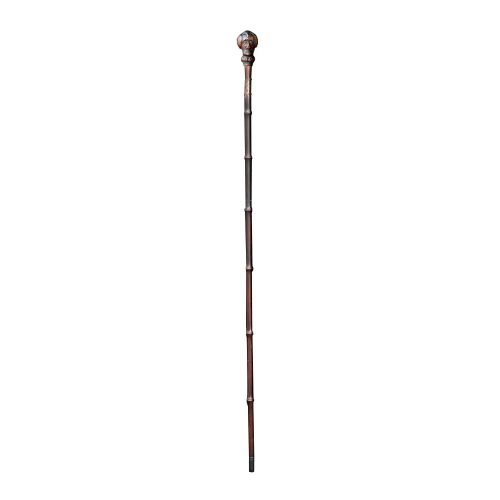
Novelty Head Walking Cane
A novelty head walking cane combines daily support with wit, offering carved animal heads and clever mechanisms from the Victorian and Edwardian eras.
Novelty Head Walking Cane
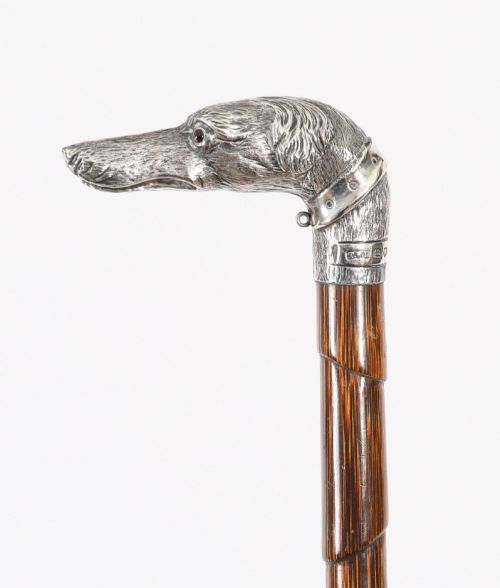
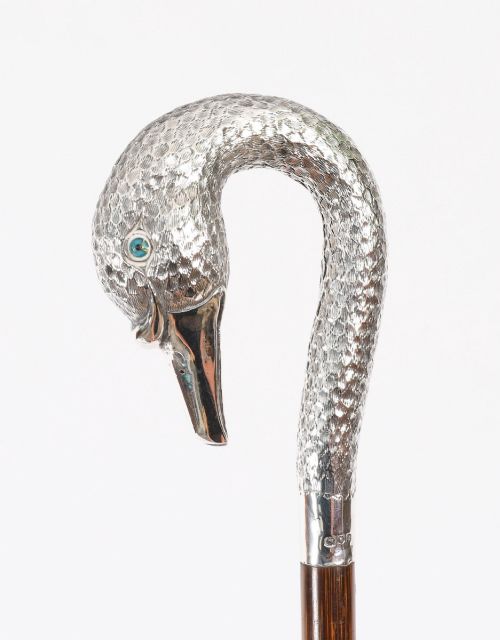
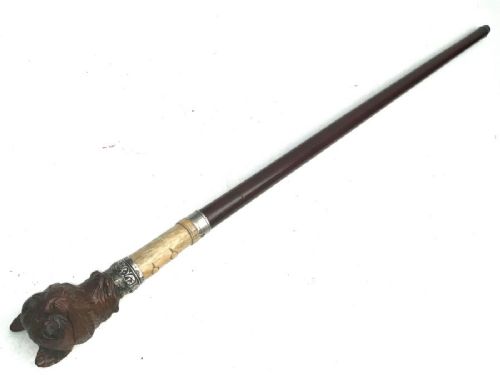
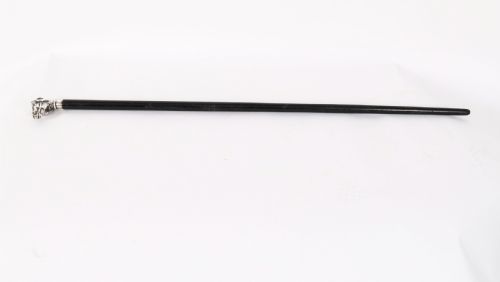
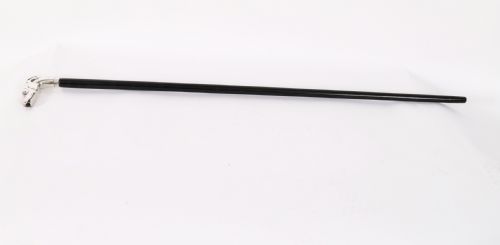
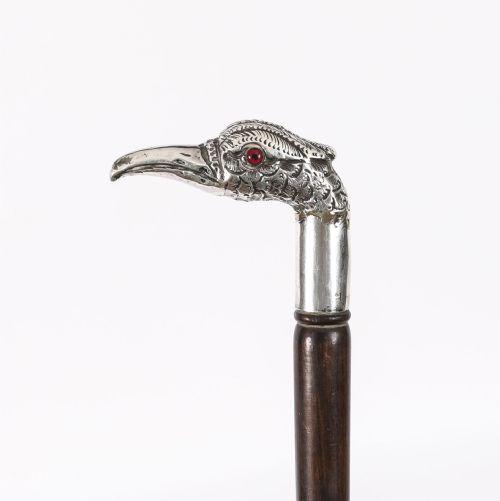
A novelty head walking cane serves as a striking accessory featuring sculptural handles shaped as dogs, birds, and other animals. These pieces emerge primarily from the nineteenth century, the Victorian period, and the Edwardian era.
Beyond standard supports, certain variations incorporate functional elements like hidden blades or articulated moving parts. These items reflect the elaborate personal accessories utilised by gentlemen and ladies during the nineteenth and early twentieth centuries.
Materials and construction methods
Makers fashioned the distinctive handles using cast sterling silver, carved bone, and detailed wood sculpture, capturing realistic textures for creatures like hounds, boars, and parrots. Metal components often bear hallmarks indicating assay offices and production dates.
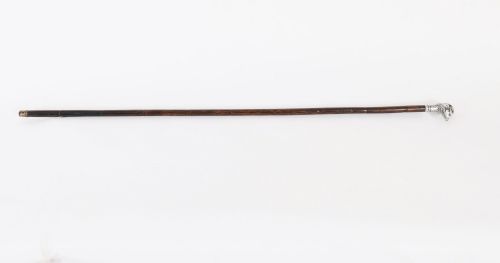
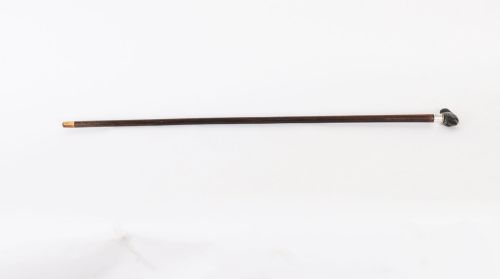
Shafts rely on sturdy timbers including bamboo, hardwood, and ebonised wood to provide structural integrity for daily use. Artisans joined the handle to the shaft using internal metal screws or adhesives, ensuring a secure fit.
Materials recorded across the inventory include sterling silver, glass, bone, metal, hardwood, and ebonised wood.
Assessing craftsmanship and design
Complex internal engineering, such as working mechanical jaws or concealed sword blades, separates standard walking sticks from high-end novelty examples. The integrity of the join between handle and shaft also dictates the overall resilience of the cane.
The Novelty Head Walking Cane Glossary
- Malacca
- A sturdy, resilient tropical cane material featuring distinctive ringed nodes, commonly utilised for nineteenth-century walking stick shafts. This timber provided both flexibility and strength for daily carrying.
- Ebonised wood
- Timber treated with a dark finish to imitate expensive ebony wood. Makers frequently applied this technique to create sleek, uniform walking stick shafts.
- Hallmark
- An official stamp applied to silver objects indicating the assay office, metal purity, and date of manufacture. These small marks help establish the origin and age of silver-handled canes.
- Parasol handle
- A shorter decorative grip originally intended for sunshades rather than full-length walking sticks. These items share identical sculptural qualities with cane handles.
Novelty Head Walking Cane: Frequently Asked Questions
How were novelty walking canes used?
Nineteenth-century gentlemen and ladies carried these pieces as fashion accessories, status symbols, and practical walking supports during urban strolls. Certain variations doubled as covert tools, housing concealed sword blades or mechanical gadgets.
Today, collectors display these items in stands or wall mounts to appreciate the intricate carving and silverwork up close. They function primarily as decorative historical objects rather than everyday mobility aids.
What animals appear on these handles?
Canine depictions dominate the available pieces, featuring greyhounds, Alsatians, hounds, and general dog heads. Birds like swans, ducks, pheasants, and parrots also appear alongside horses, boars, and hares.
These subjects reflect Victorian and Edwardian preferences for naturalism mixed with whimsical or sporting themes. The choice of animal often mirrored the personal interests or hobbies of the original owner.
How do I date a silver-handled cane?
Examine the silver handle for British hallmarks, which typically include a maker's mark, a purity standard symbol, a date letter, and an assay office stamp. These tiny impressions pinpoint the exact year and city of manufacture.
When hallmarks are absent, dating relies on the overall style, costume cues in accompanying history, and the specific materials utilised. Victorian and Edwardian pieces show distinct aesthetic trends that separate them from earlier eighteenth-century work.
What is a sword stick?
A sword stick is a specialised walking cane with a concealed steel blade hidden inside the wooden shaft. A secure locking mechanism keeps the blade safely enclosed until the user pulls the handle.
These items served as personal protection devices for travellers navigating dimly lit nineteenth-century streets. They combine functional weaponry with discreet outer appearances.
Are these canes suitable for daily walking?
Original antique canes are delicate historical artefacts that can suffer damage from heavy weight-bearing or accidental drops. The joints between decorative silver handles and antique wooden shafts may weaken over time.
Collectors generally preserve them as display pieces rather than relying on them for physical support. Gentle handling ensures the delicate carvings and silver finishes remain intact.