



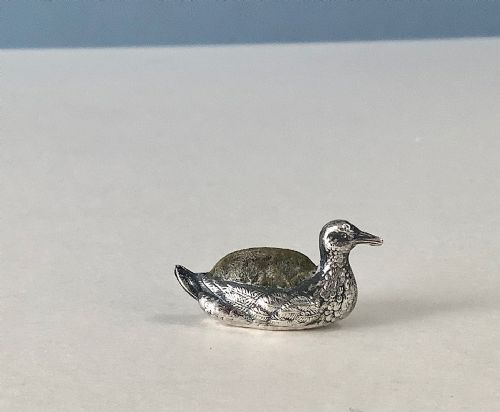

Novelty Animal Silver Collectibles
These novelty animal silver collectibles are miniature animal figures and functional pieces shaped as beasts and birds that collectors prize for their witty craftsmanship.
Novelty Animal Silver Collectibles
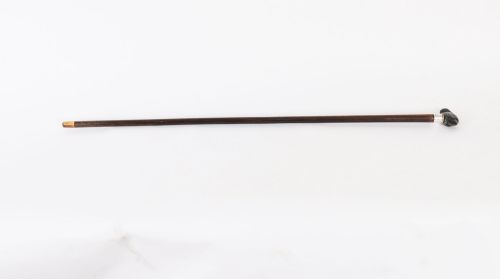
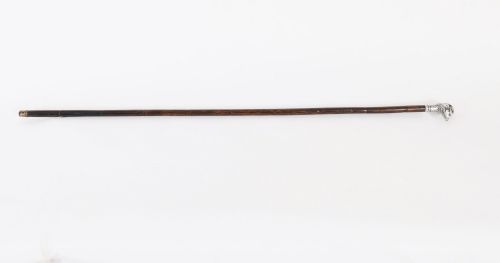
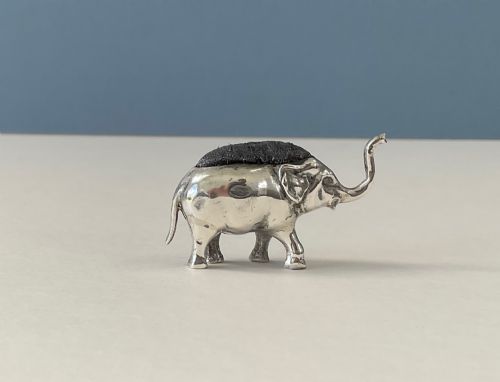
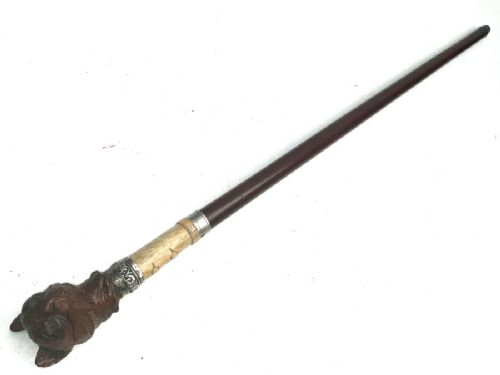
When you search for novelty animal silver collectibles, you encounter a specialised group of items spanning the Victorian and Edwardian eras. These pieces take the form of miniature animal figures, such as pigs, frogs, birds, and dogs, alongside walking sticks featuring sculpted animal heads.
The objects originate primarily from the late nineteenth and early twentieth centuries, capturing a period when domestic silver often took playful shapes. Walking sticks with duck, parrot, or rabbit handles represent the larger functional pieces within this group.
How they were made
Silversmiths shaped sterling silver through casting and hand-chasing to render the pelt, feathers, or skin of each creature with realistic detail. The metal work is frequently combined with secondary materials such as velvet, wood, bone, and horn, particularly in pin cushions and walking canes.
Functional elements are integrated directly into the animal forms, such as hinged backs on condiment sets or hidden corkscrews inside cane handles. Walking sticks pair silver animal heads with hardwood shafts, secured with metal collars.
Novelty Animal Silver Collectibles Retail Price Guide 2026
Typical asking prices for novelty animal silver collectibles among the pieces listed under this phrase on Sellingantiques today, from the lower quarter to the upper quarter. They describe what is for sale here now, not the wider market.
Materials recorded across the inventory include sterling silver alongside velvet, wood, bone, horn, and fabric.
What varies in quality
The integration of the material insert, such as the fabric within a pin cushion or the fit of a cane handle, marks the distinction between standard workshop output and finer work. Maker choices in balancing the weight of the silver handle against the wooden shaft also dictate the handling quality of walking sticks.
The Novelty Animal Silver Collectibles Glossary
- Pin Cushion
- A small domestic object designed to hold sewing pins, often formed here as an animal figure with a fabric or velvet insert. These items were staples of the Edwardian dressing table.
- Spoon Warmer
- A vessel used to hold hot water for warming table spoons before serving, occasionally modelled in sculptural forms.
- Condiment Set
- A matching group of small containers for salt, pepper, or mustard, sometimes cast in the shape of birds or animals.
- Walking Stick
- A supportive cane featuring a decorative handle, here rendered in silver as a duck, parrot, or rabbit head.
- Chasing
- A metalsmithing technique used to decorate silver by indenting the front surface with punches to create texture and form.
Novelty Animal Silver Collectibles: Frequently Asked Questions
What were silver animal pin cushions used for?
These small silver figures held sewing pins on sewing tables and dressing desks in middle-class and wealthy homes. The fabric or velvet pad protected the sharp points while keeping needles close to hand.
Over time, they shifted from utilitarian sewing tools to decorative cabinet pieces collected for their sculptural forms and whimsical designs.
How do I care for silver animal collectibles?
Keep silver pieces away from direct dampness to preserve any internal wooden components or fabric inserts. Dust them gently with a soft microfibre cloth without abrasive metal polishes.
Store walking sticks upright in a dry room to prevent warping of the hardwood shafts and loosening of the silver handles.
How can I tell a Victorian piece from an Edwardian one?
Victorian examples often display heavier, more sombre casting styles with ornate detailing typical of the nineteenth century. They frequently lean towards utilitarian forms like spoon warmers and larger figural groups.
Edwardian pieces tend towards lighter, more stylised animal representations with an emphasis on miniature pin cushions. The modelling reflects a shift to domestic playfulness and novelty.
Are walking sticks with animal handles functional?
These canes were designed for gentlemanly promenades and outdoor use, combining support with a decorative statement. Some incorporate hidden elements such as corkscrews or blades within the shaft.
While structurally sound, modern owners generally treat them as display items rather than daily mobility aids to protect the antique silver handles.