


Northwest Persian Weaving
Northwest Persian weaving brings hand-knotted woolen rugs, carpets, and runners from the nineteenth and early twentieth centuries into your home.
Northwest Persian Weaving
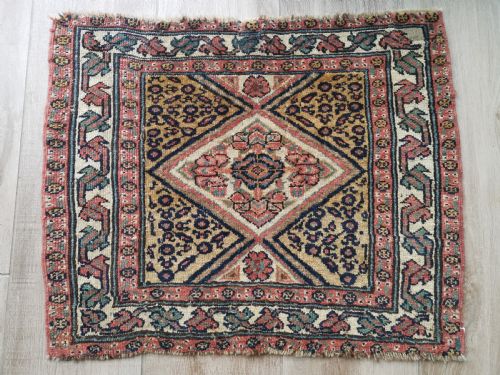
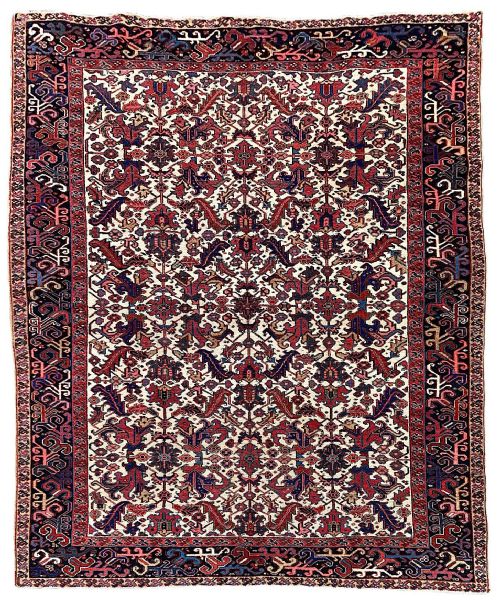
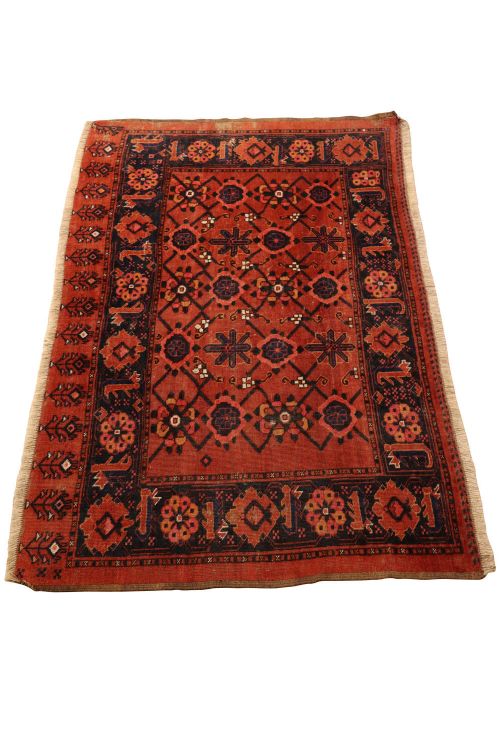
Northwest Persian weaving encompasses traditional hand-knotted rugs, carpets, runners, and bag faces originating from historic production centres such as Heriz, Karaja, Tabriz, and Bakshaish. When exploring this selection, buyers encounter durable room-size carpets alongside smaller tribal rugs and narrow runners dating from the mid-nineteenth century through the 1930s.
Materials and Construction
These floor coverings and textiles utilise hand-spun wool for the pile, providing resilience and a rich tactile surface, combined with cotton foundations for structural stability. Weavers tied hand-knotted wool onto cotton warps and wefts to build dense, durable structures capable of withstanding decades of daily use.
Regional workshops and tribal weavers employed natural dyeing traditions to colour the wool, producing deep reds, indigos, and earth tones that mellow gradually over time. The structural integrity relies on tight knotting techniques passed down through generations in towns and nomadic camps across the region.
Listings span production dates from the 1850s to the 1930s, utilising wool pile on cotton foundations across all regional variants.
Assessing Quality and Execution
Quality in these textiles depends on the density of the hand-knotting, the precision of the geometric design, and the clarity of the natural wool colours. Superior examples display balanced proportions, crisp lines within the medallion layouts, and robust pile retention across the entire surface.
The handling of wool quality and dye saturation separates standard utility pieces from exceptional collector rugs. Artisanal execution in the weaving determines whether a carpet maintains structural stability and visual impact after a century of wear.
Benlian
The Northwest Persian Weaving Glossary
- Heriz
- A major production centre known for large carpets featuring bold geometric medallions and robust cotton foundations. These rugs often display distinctive rectilinear floral patterns.
- Karaja
- A town renowned for village rugs characterised by geometric panels, repeating boteh motifs, and warm terracotta or blue tones. The knotting is typically sturdy and coarse.
- Bakshaish
- An older village style pre-dating standard Heriz production, noted for spacious, abstract interpretations of classical Persian designs and muted earthy palettes. The wool has a particularly soft hand.
- Bag face
- The functional front panel of a nomadic storage bag, woven in rich tribal patterns and preserved as a small decorative mat. These pieces display concentrated geometric artistry.
- Runner
- A long, narrow carpet format designed for corridors, hallways, or staircases. These pieces maintain consistent widths while stretching several metres in length.
Northwest Persian Weaving: Frequently Asked Questions
How do I care for an antique rug?
Vacuum gently without using a rotating brush roll to protect the wool pile from excessive friction. Keep the textile out of direct sunlight to prevent natural dyes from fading prematurely.
Rotate the carpet periodically to ensure even wear patterns across high-traffic areas. Professional cleaning by specialists in antique oriental textiles is recommended every few years.
Where were these rugs made?
These textiles originate from towns, villages, and tribal regions across the northwest sector of Persia. Prominent production areas include Heriz, Karaja, Tabriz, and the broader Kurdish and Feraghan districts.
Each location developed distinct design vocabularies and knotting techniques influenced by local tribal traditions and urban workshop practices.
How do I distinguish Heriz from Karaja?
Heriz carpets generally appear in larger room sizes with massive, dominant central medallions and bold rectilinear corners. Their scale suits spacious reception rooms and dining spaces.
Karaja rugs typically present smaller dimensions, often utilising repeating geometric medallions or village patterns arranged in vertical rows. The overall visual rhythm feels more compact.
What is a bag face?
A bag face is the decorative woven front panel harvested from a larger nomadic storage sack used in tribal households. These portable containers stored household goods, salt, or bedding during seasonal migrations.
When the utility sack wore out, the durable piled face was preserved as a small mat or decorative hanging. They offer condensed examples of tribal weaving skill.