




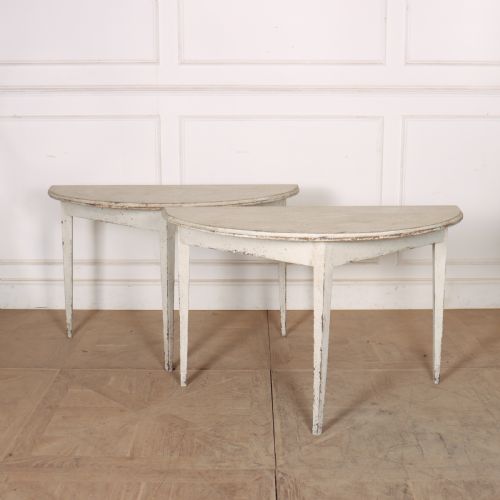


Nordic Table
A nordic antique table brings pale woods and clean painted surfaces into a room, offering functional utility grounded in Scandinavian tradition.
Nordic Table
A nordic antique table encompasses various forms such as console tables, side tables, coffee tables, and centre tables originating from Scandinavian countries. These pieces span the nineteenth century and early decades of the twentieth century, reflecting regional stylistic shifts.
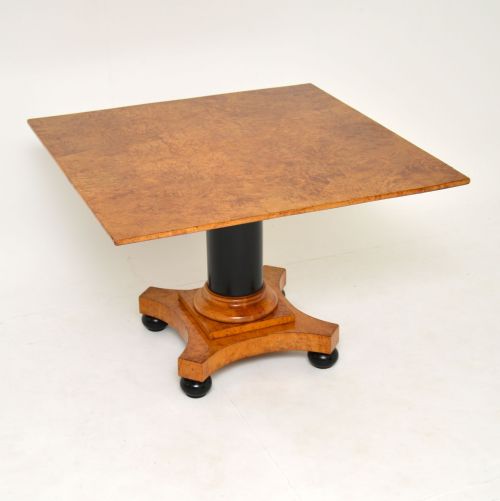
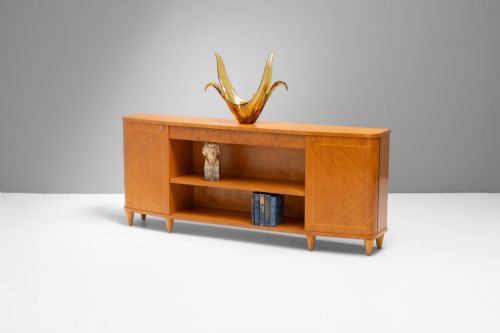
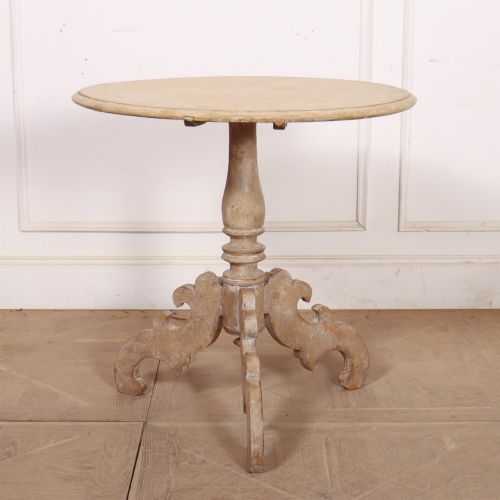
Buyers frequently encounter painted pine tables from the nineteenth century alongside birch and elm occasional pieces. More formal expressions include Swedish Grace and Scandinavian Art Deco examples from the nineteen-twenties and thirties.
Forms range from simple bakers tables and pedestal tables to demi-lune console tables made in pairs. The selection balances rustic country utility with refined modernist design.
Materials and Construction
Makers utilised native softwoods and hardwoods like pine, birch, flame birch, and elm for structural integrity and surface figure. Burr birch veneers and satinwood add decorative contrast on mid-period modernist pieces.
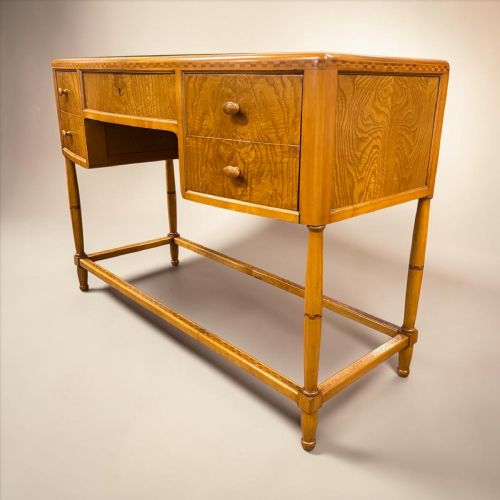
Painted finishes dominate the earlier pine and softwood examples, often applied in muted historical tones over prepared wooden grounds. Later twentieth-century items incorporate inlaid details and polished wood surfaces highlighting natural grain patterns.
Nordic Table Retail Price Guide 2026
Typical asking prices for nordic table among the pieces listed under this phrase on Sellingantiques today, from the lower quarter to the upper quarter. They describe what is for sale here now, not the wider market.
Amidst the wooden tables sits a lone silver serving spoon, proving that someone occasionally brought the cutlery to the furniture meeting.
Assessing Quality and Execution
Quality rests in the handling of timber and the preservation of original painted surfaces rather than surface embellishment alone. Finer pieces demonstrate careful selection of figured grains like flame birch and burr birch.
Structural honesty and restraint define superior examples, whether in the carved details of a nineteenth-century console or the geometric simplicity of a nineteen-thirties Art Deco design.
The Nordic Table Glossary
- Gustavian
- A Swedish neoclassical style characterised by restrained symmetry and light-coloured painted finishes. It emerged during the late eighteenth century and influenced furniture design well into the nineteenth century.
- Swedish Grace
- A sophisticated architectural and design movement bridging neoclassical restraint and early modernism during the nineteen-twenties and nineteen-thirties. Pieces from this era favour clean lines and subtle proportion.
- Demi-lune
- A half-moon shape commonly utilised for console tables designed to sit flush against a wall. These tables often appear in matched pairs.
- Flame birch
- A distinctive timber cut displaying a fiery, undulating grain pattern. Craftsmen prized this wood for visible outer surfaces on finer case and table pieces.
Nordic Table: Frequently Asked Questions
What defines a Scandinavian antique table?
These tables draw on regional design traditions from countries like Sweden and Denmark, spanning country pine furniture to polished art deco works.
Materials typically feature northern european softwoods and hardwoods such as pine, birch, and elm.
How do I care for a painted wooden table?
Painted surfaces require gentle cleaning with a soft, dry cloth to protect the underlying historical finish from moisture and abrasion.
Avoid chemical polishes that can degrade aged paint layers over time.
Where were these tables used originally?
Depending on the form, they served practical functions in domestic kitchens, hallways, and formal living spaces.
Console tables often graced hallways or dining rooms, while occasional and coffee tables stood beside seating.
How do I distinguish nineteenth-century pieces from later ones?
Nineteenth-century examples frequently rely on solid pine with painted finishes or dense local hardwoods like elm.
Twentieth-century pieces from the nineteen-twenties and thirties introduce geometric art deco silhouettes and decorative birch veneers.