


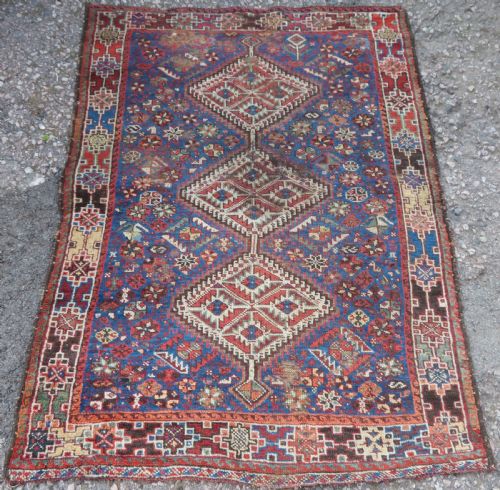
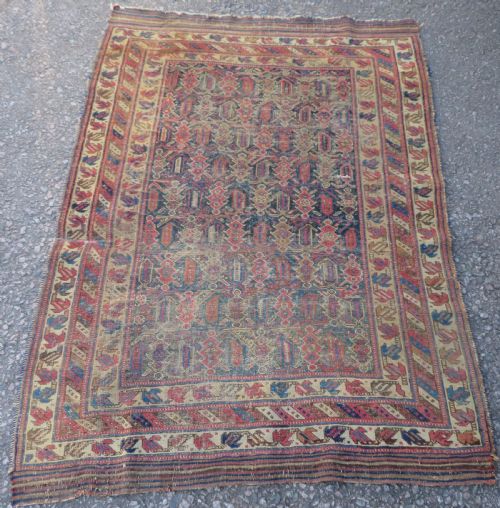
Nomadic Wool Area Rug
A nomadic wool area rug brings centuries of tribal weaving traditions, rich natural dyes, and geometric motifs straight to your floor.
Nomadic Wool Area Rug
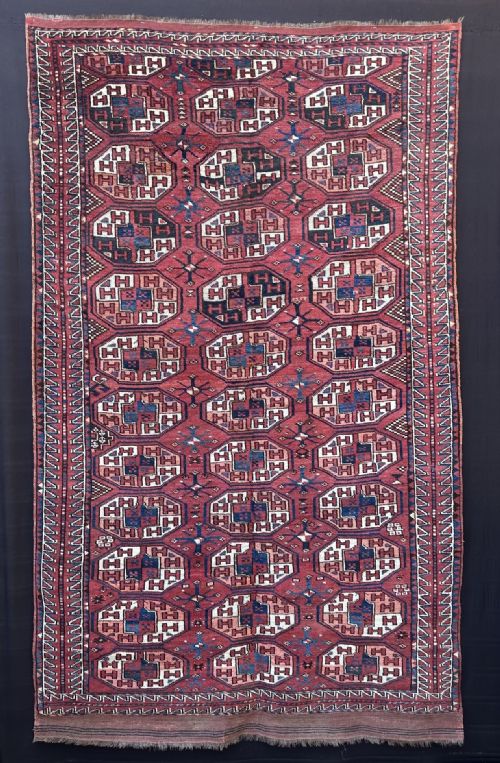
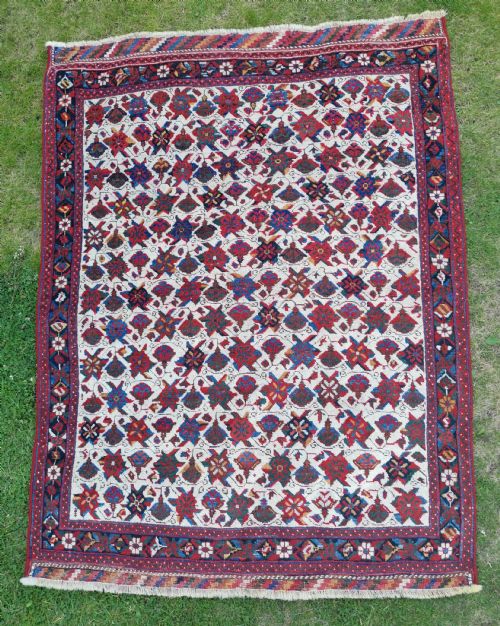
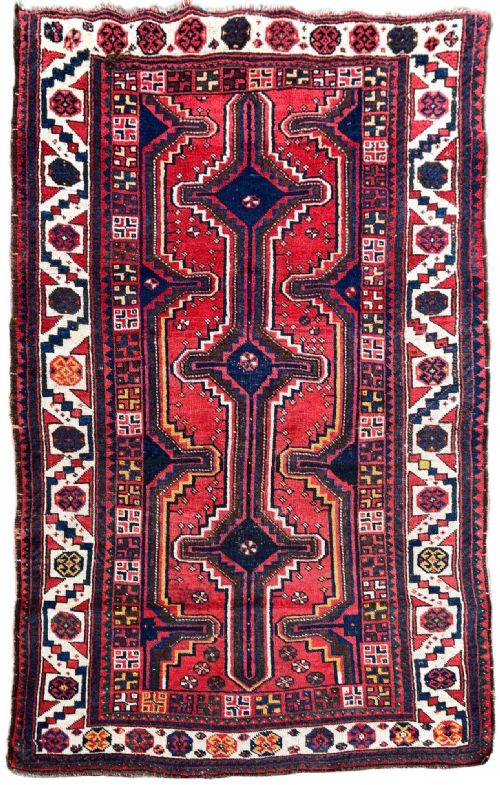
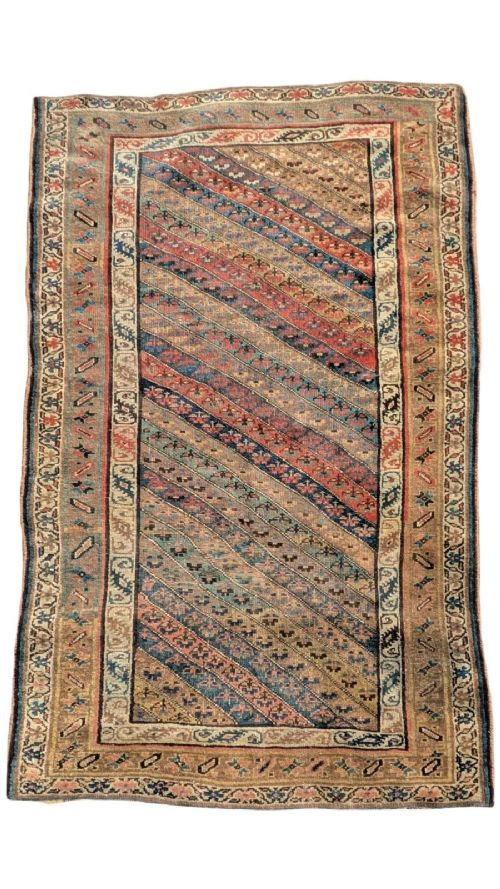
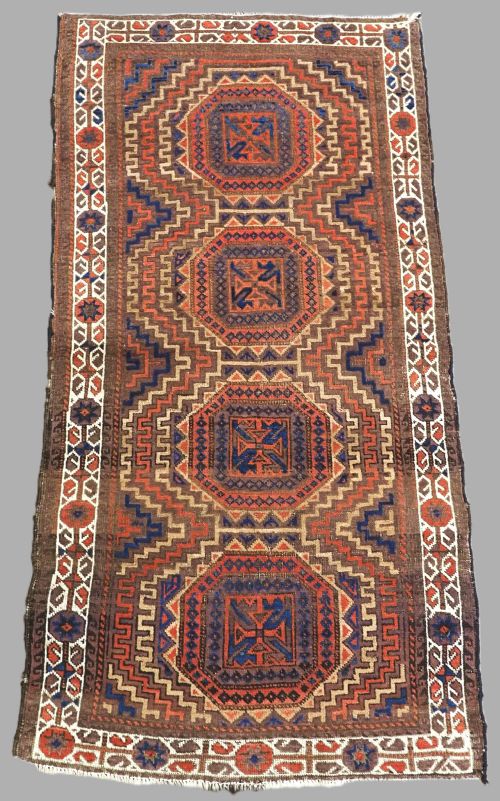
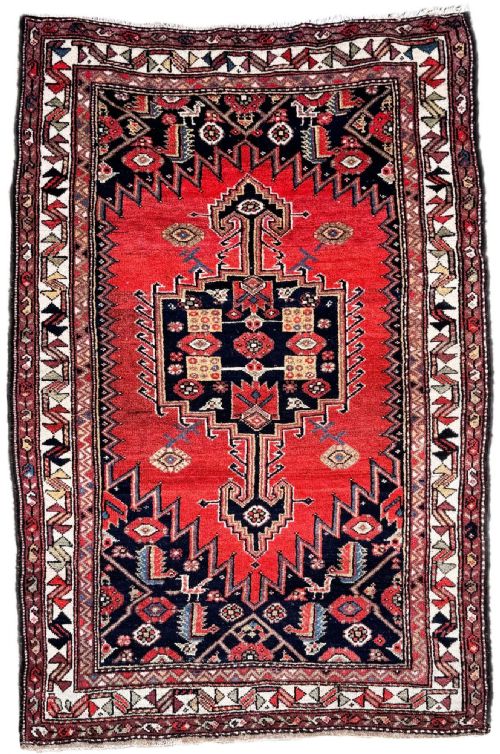
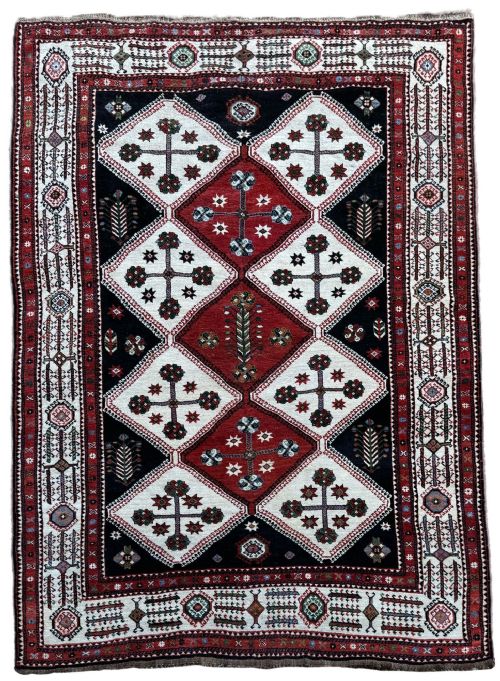
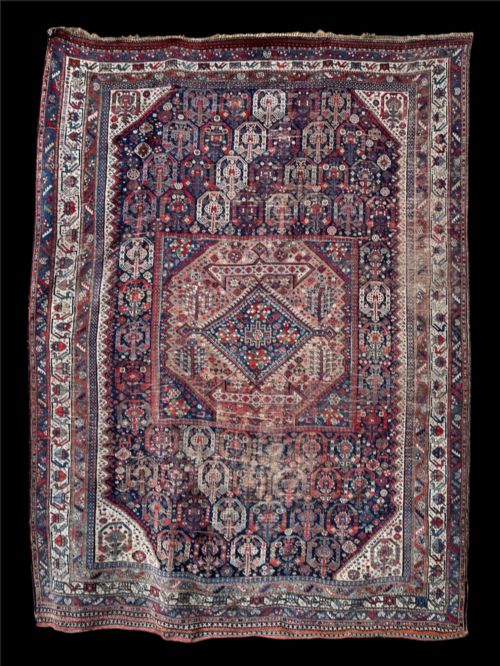
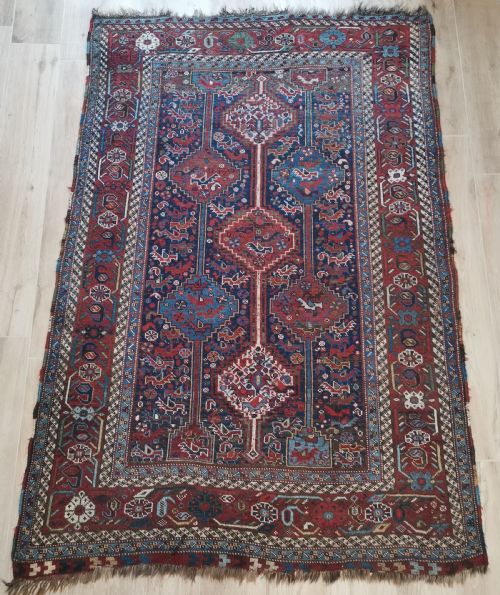
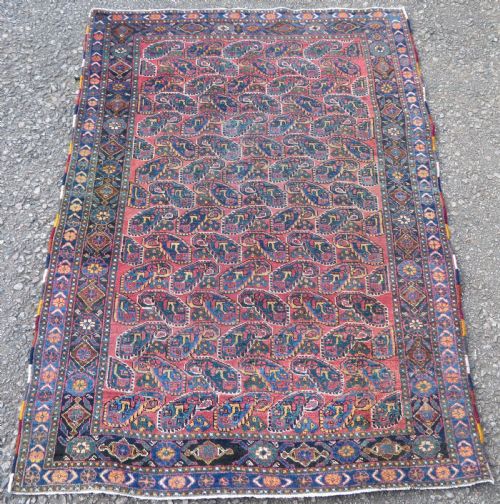
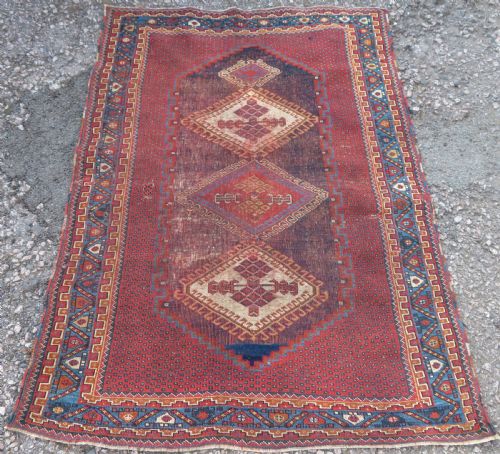
A nomadic wool area rug represents the textile traditions of tribal groups across Central Asia, Persia, and the Caucasus, spanning from the nineteenth century into the mid-twentieth century. These floor coverings and utility pieces emerge from specific confederacies and tribes, including the Afshar, Khamseh, Baluch, Kurdish, and Turkmen peoples.
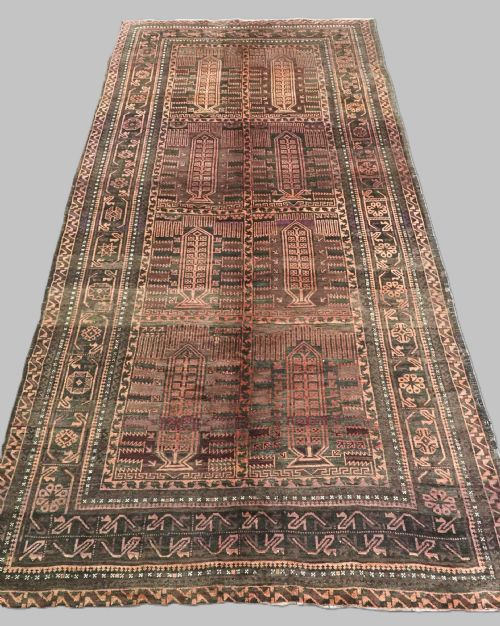
The most common formats on this page include room-sized carpets, smaller scatter rugs, prayer rugs with distinct mihrab designs, and utilitarian pieces such as tent door rugs and sofreh. Makers wove these items for daily nomadic life, utilising regional motifs like guls, pencil box patterns, and repeating geometric arrangements.
Examples date from the 1850s through the 1940s, capturing decades of hand-knotted production across regions like South Persia, Turkmenistan, and the Caucasus. Each piece reflects the specific visual vocabulary of its maker, grounded in tribal identities rather than urban workshop standards.
Materials and construction
These textiles rely primarily on wool and cotton, with many pieces incorporating hand-spun wool for both foundation yarns and pile. Weavers utilised natural dyes to achieve deep reds, indigos, and earth tones that weather patination gracefully over decades.
The construction involves hand-weaving techniques passed down through generations within tribal groups such as the Baharlu, Qashqai, and Ersari. Dense knotting secured the wool pile to sturdy cotton or wool warps and wefts, producing robust floor coverings designed for heavy use.
Nomadic Wool Area Rug Retail Price Guide 2026
Typical asking prices for nomadic wool area rug among the pieces listed under this phrase on Sellingantiques today, from the lower quarter to the upper quarter. They describe what is for sale here now, not the wider market.
Listings span periods from the 1850s to the 1940s, featuring wool, cotton, and natural dyes across tribal traditions.
Assessing quality
Quality rests in the handling of natural dyes, where depth and variation across the wool pile create visual movement. The crispness of geometric motifs and the fineness of the hand-spinning distinguish superior tribal weaving from simpler utilitarian work.
Structural integrity also separates examples, seen in the tightness of the weave and the secure binding of edges. Pieces that retain their original proportions and retain dense, resilient hand-spun wool show greater command of traditional techniques.
The Nomadic Wool Area Rug Glossary
- Mihrab
- A niche design symbolising a prayer hall or gateway, commonly found pointing towards Mecca on prayer rugs.
- Gul
- An octagonal medallion or floral motif repeated across Turkmen and Baluch carpets to identify specific tribal clans.
- Sofreh
- A flat-woven or piled cloth utilised during meals or food preparation within nomadic households.
- Kapunuk
- An ornamental tent door hanging placed around the timber frame of a yurt or nomadic dwelling.
- Pencil box design
- A characteristic repeated compartment pattern seen in Baluch and Timuri main carpets.
Nomadic Wool Area Rug: Frequently Asked Questions
What is a nomadic wool area rug?
These are hand-woven floor coverings produced by tribal and nomadic groups across Persia, Central Asia, and the Caucasus.
They utilise hand-spun wool and natural dyes, featuring geometric patterns unique to specific tribes like the Afshar or Khamseh.
How do I style a tribal rug?
Tribal rugs work well in both traditional and contemporary interiors, adding texture and warmth to wooden or stone floors.
Their robust construction makes them suitable for high-traffic areas such as hallways, living rooms, and studies.
How do I identify tribal rugs?
Identification relies on examining the specific motifs, colour palettes, and structural characteristics associated with groups such as the Baluch or Turkmen.
Regional designs, including prayer arches or repeated guls, point directly to the specific culture and geographic origin.
Are these rugs made with natural materials?
Traditional pieces rely almost exclusively on wool and cotton, utilising hand-spun fibres for the pile and foundation.
Colour is achieved through natural dye sources, which yield rich tones that develop a soft patina over time.