

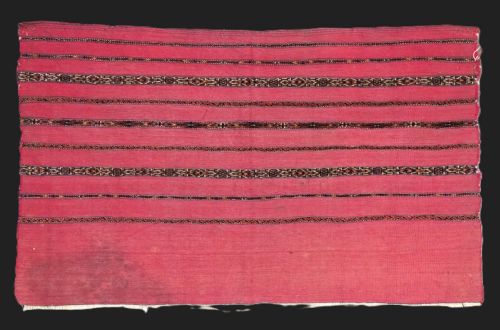
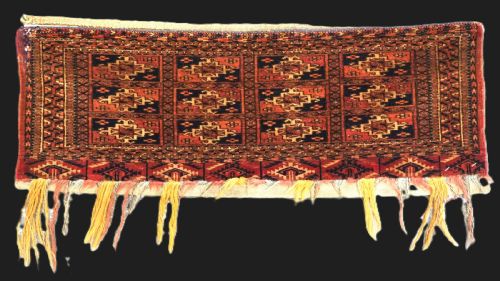

Nomadic Turkmen Textile
When you examine a nomadic turkmen textile, you encounter centuries of tribal heritage woven into utilitarian bags, covers, and wall hangings.
Nomadic Turkmen Textile
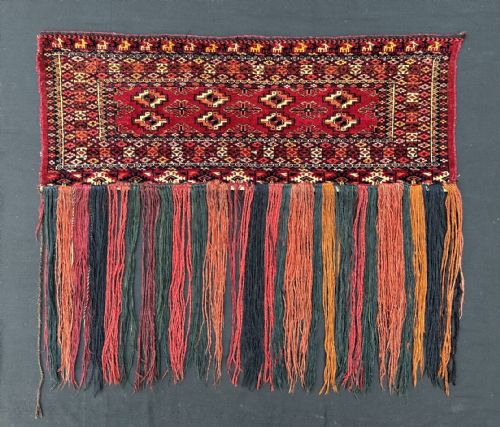
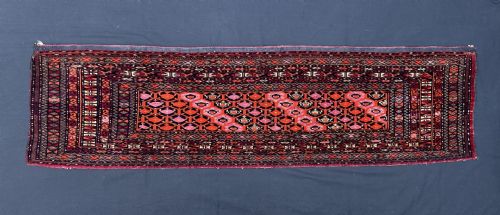
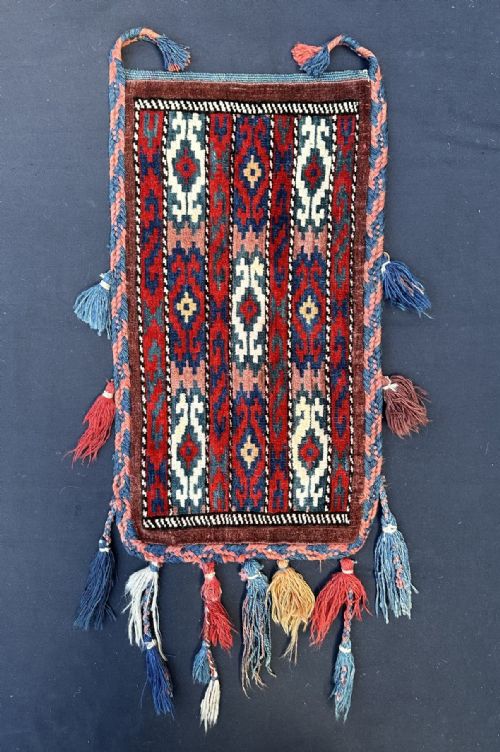
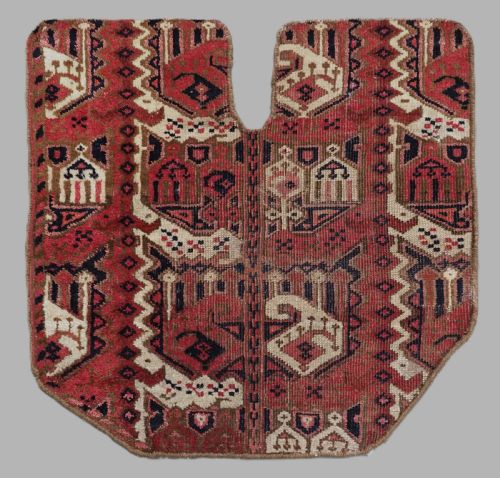
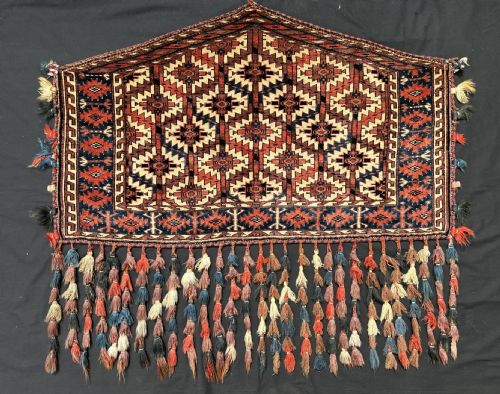
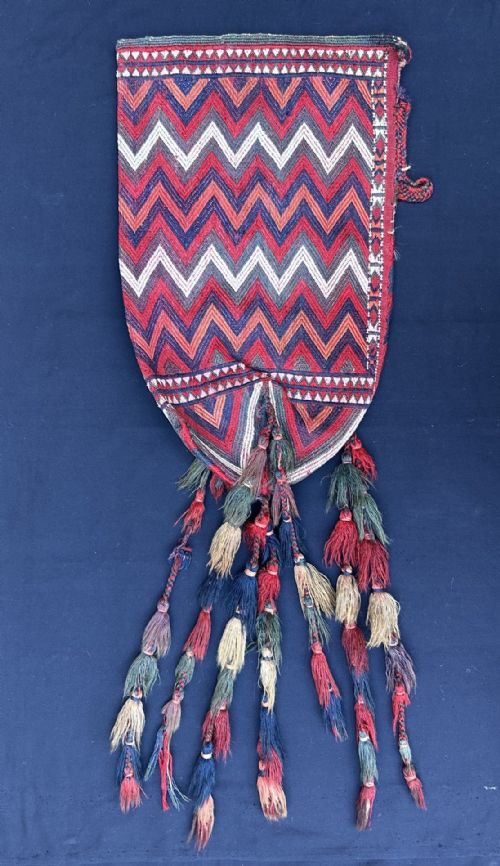
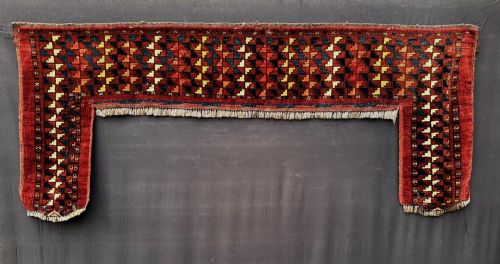
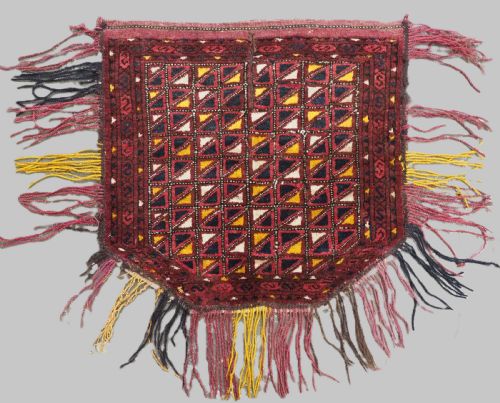
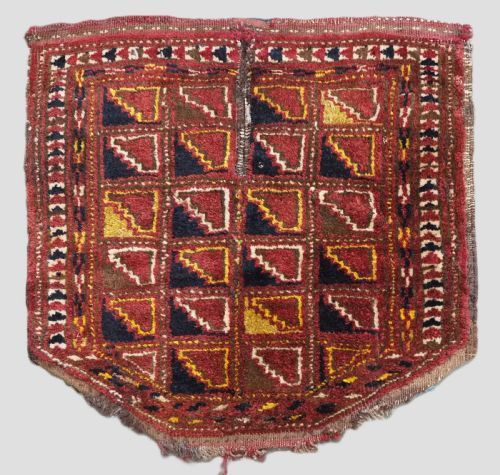
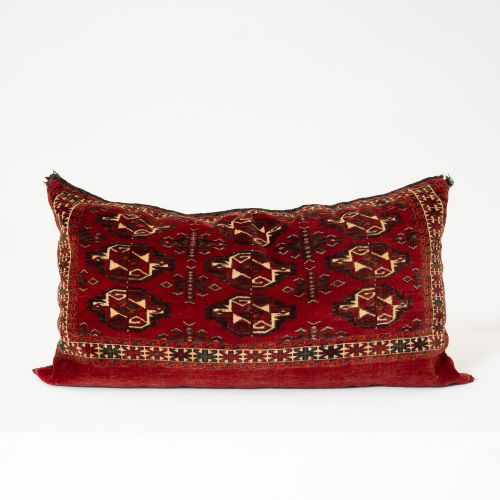
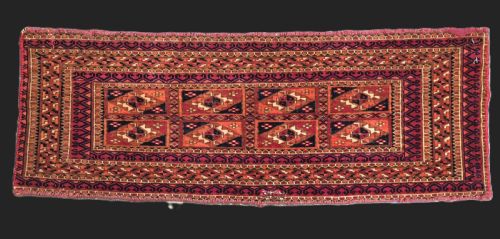
A nomadic turkmen textile encompasses tribal rugs, wall hangings, and functional storage items originating from Central Asia. These works include specialised forms such as torbas, chuvals, asmalyks, and spindle bags created by various tribes.
The pieces on this page span the mid nineteenth century through the early twentieth century. Yomut, Tekke, Ersari, Saryk, and Salor tribal groups produced these items across regions like the Trans-Caspian steppes and the Merv oasis.
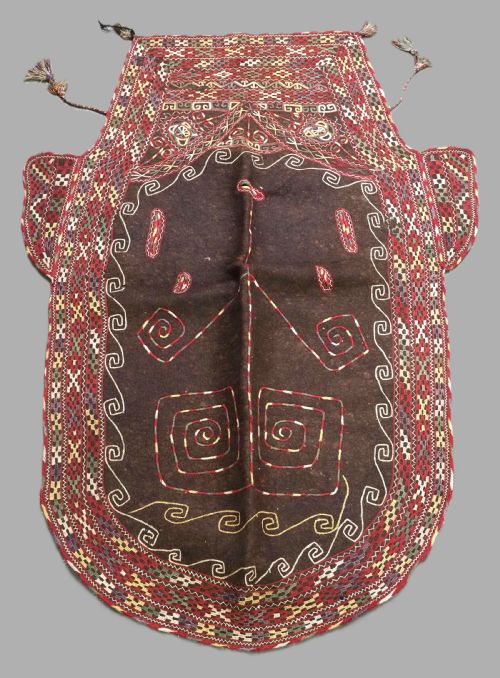
Buyers frequently encounter bag faces, complete storage sacks with plain weave backs, and ceremonial saddle covers. These textiles served daily nomadic life, functioning as camel bags, tent furnishings, and marriage trappings.
Materials and construction
Weavers utilised hand-spun wool as the primary foundation and pile material, supplemented by cotton and felted wool. Natural dyes supplied the distinct colour palettes seen across these tribal items.
Makers incorporated cotton thread and silk thread for structural integrity and detailed highlights. Artisans employed flatweave techniques, pile weaving, and embroidery alongside felt production.
Backings constructed from plain weave wool or cotton secured the storage sacks for daily transport and use. Original tassels and structured trims often finished the edges of saddle covers and ceremonial hangings.
Listings feature wool, natural dyes, cotton, and silk thread across items dated from eighteen fifty to nineteen twenty.
Variations in quality
The density and precision of the weave dictate the structural calibre of a tribal textile. Finer knots and tighter pile construction indicate superior craftsmanship by the weaver.
The complexity and execution of traditional tribal motifs, such as specific gul designs or pictorial elements, influence the artistic standing of the piece. The survival of original elements like plain weave backs, tassels, and structural threads adds significant contextual integrity.
The richness and stability of the natural dyes used within the wool or silk elements determine the visual depth of the textile. Pieces displaying clear, vibrant dye variations without chemical interference represent the upper tier of surviving examples.
The Nomadic Turkmen Textile Glossary
- Torba
- A small horizontal storage bag used inside the nomad tent. These items typically hung on the lattice walls for domestic organisation.
- Chuval
- A large tent bag utilised for bedding and household storage. They often feature multiple guls arranged across the face.
- Gul
- A primary medallion or tribal crest repeated across the field of the textile. Different tribes utilised distinct gul forms for identification.
- Asmalyk
- A large, often pentagonal trapping hung on the flanks of a camel during wedding processions. These ceremonial hangings display elaborate tribal weaving.
- Jollar
- A tent bag or long storage band used by nomadic groups. They share functional traits with torbas but vary in proportion.
- Mafrash
- A rectangular storage chest cover or transit bag. These pieces protected belongings during seasonal migrations across the steppes.
Nomadic Turkmen Textile: Frequently Asked Questions
How were these bags used?
Nomadic groups utilised these textiles inside portable dwellings for storing household goods, blankets, and personal items. They hung upon the lattice walls or served as functional transport containers during migrations.
Larger sacks functioned as bedding containers, while smaller torbas held smaller possessions. Ceremonial pieces decorated camels during weddings and important tribal celebrations.
What is a gul design?
A gul is a repeated octagonal or gabled medallion that acts as a tribal crest or identifier. Different regional groups, such as the Yomut or Tekke, wove specific variations.
These motifs passed down through generations within particular tribes. Identifying the specific gul helps attribute the textile to a precise region and culture.
How do I care for a textile?
Protect antique wool and silk items from direct sunlight to prevent natural dye fading. Keep the storage areas dry and well-ventilated to avoid moisture accumulation in the natural fibres.
Vacuum gently using low suction with a mesh screen covering the textile surface. Consult a specialist conservator experienced in antique tribal rugs for any cleaning requirements.