
Nomadic Tribal Rug Bag
A nomadic tribal rug bag represents portable utility crafted by pastoral weavers across Persia, Central Asia, and the Caucasus.
Nomadic Tribal Rug Bag
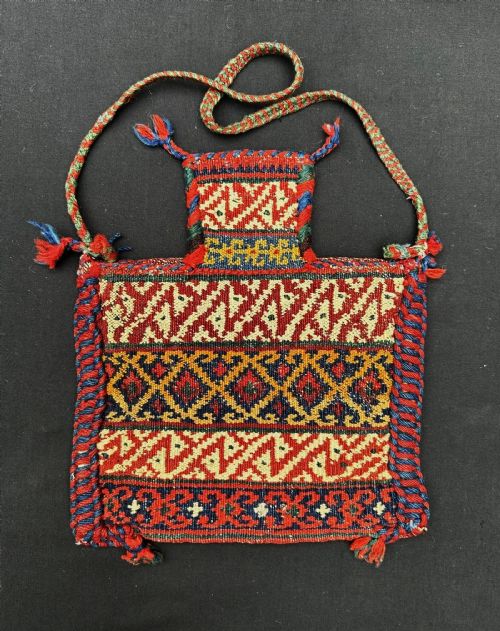
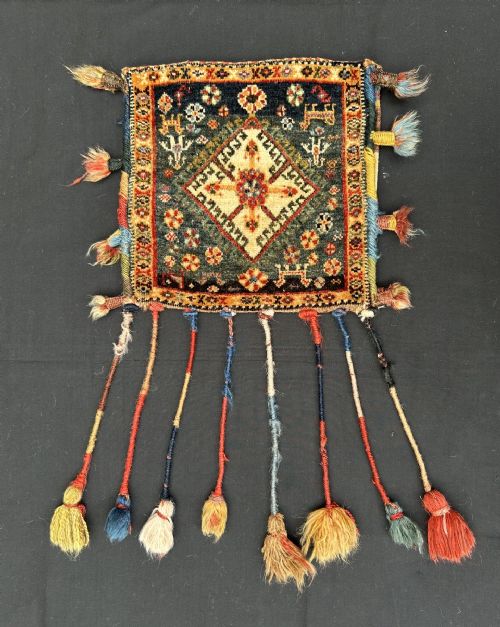
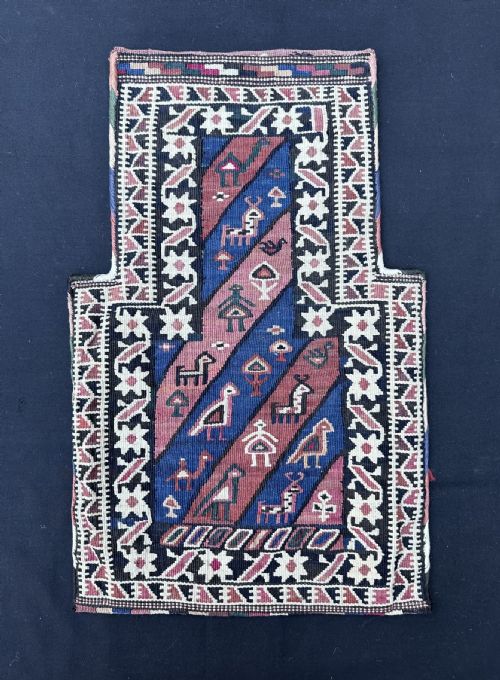
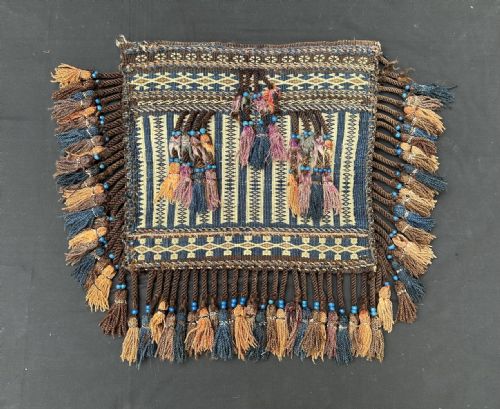
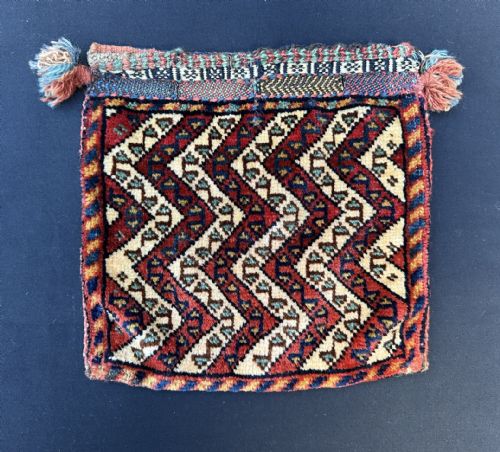
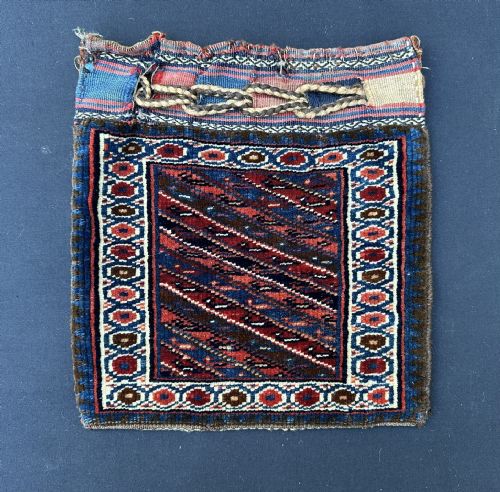
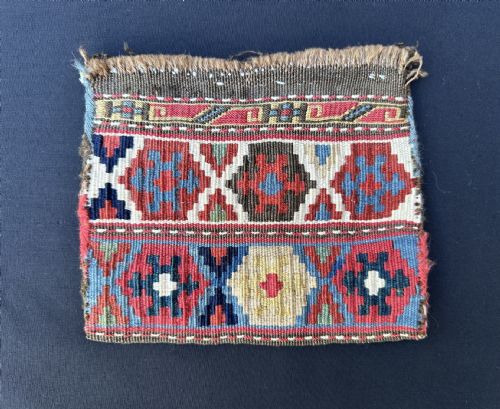
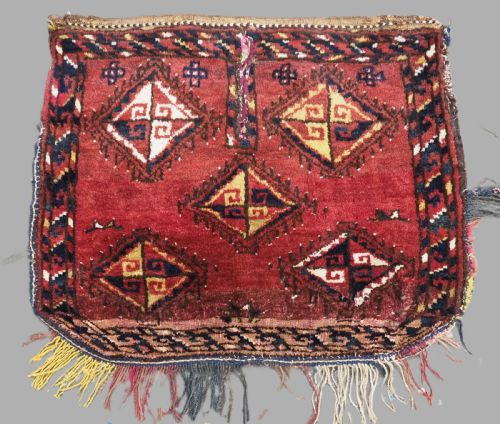
A nomadic tribal rug bag encompasses various utilitarian containers created by tribal and nomadic groups, including saddle bags, salt bags, storage bags, and vanity bags. These textiles served daily practical functions within tent life and migrations across regions such as Persia and Central Asia.
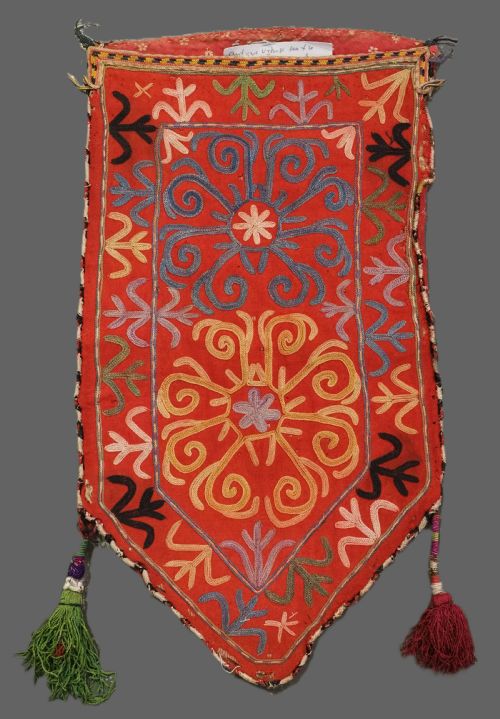
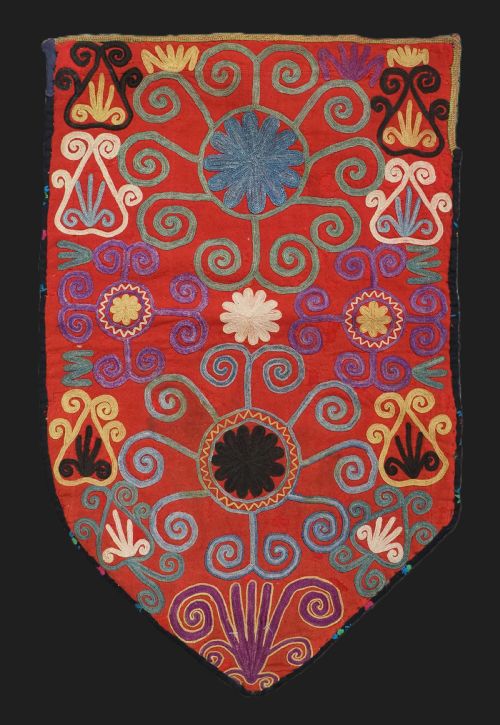
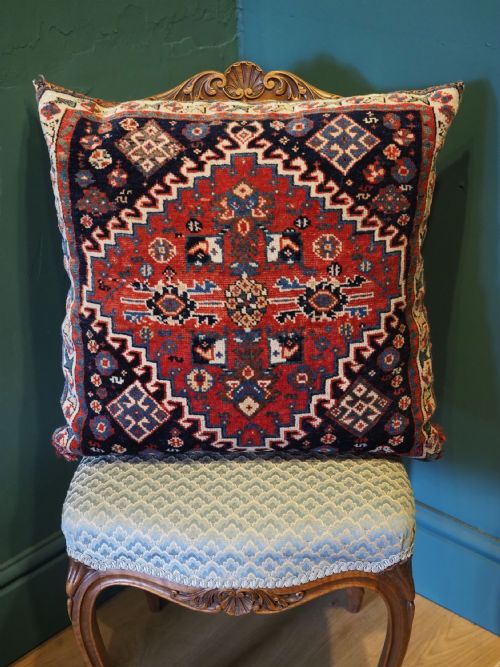
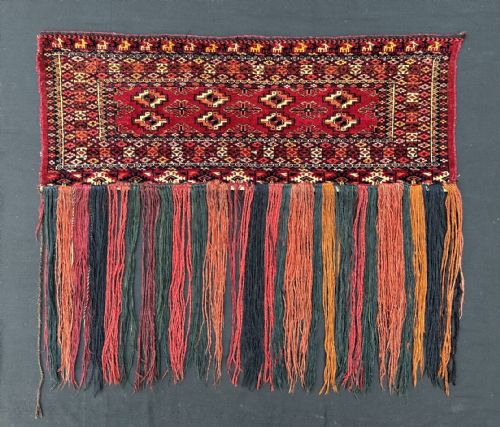
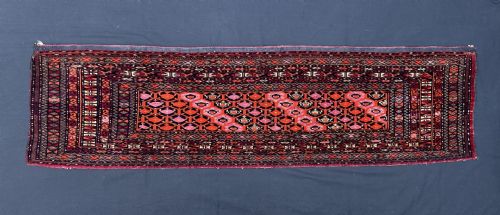
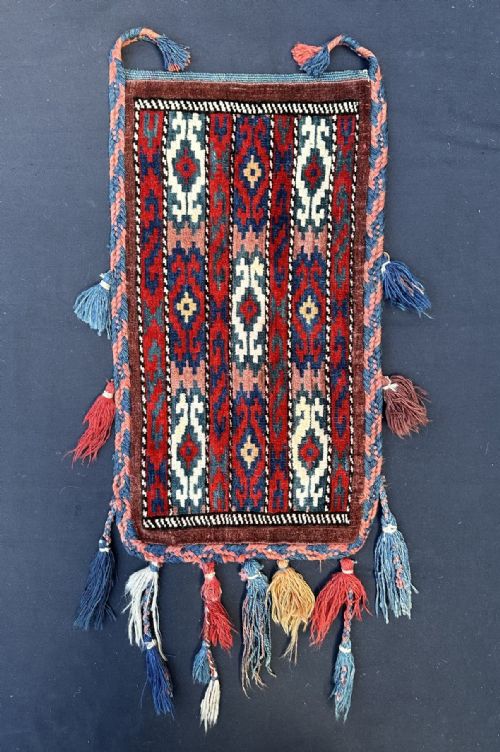
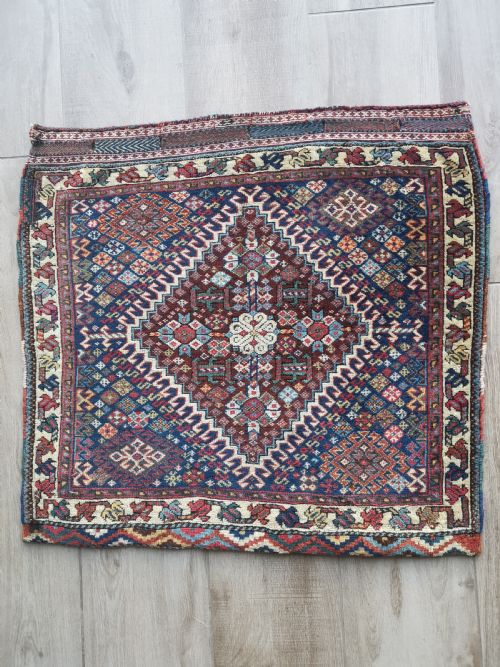
The pieces encountered on this page date primarily from the mid-nineteenth century through the early twentieth century. Specific forms range from complete khorjin and chuval storage compartments to smaller chanteh and hanging torba faces.
Tribal groupings such as the Qashqai, Turkmen, Afshar, and Baluch produced distinct structural formats tailored to household storage, animal transport, and personal belongings.
Materials and construction methods
Weavers relied principally on wool, hand-spun wool, and cotton foundations, occasionally integrating silk highlights. Natural dyes provided the foundational palette for patterning.
Construction techniques combined pile weaving with flat-woven plain weave backs. Certain examples incorporate embellishments such as glass beads and cowrie shells into the textile structure.
Listings span production dates from the 1850s to the 1920s, utilising wool, cotton, and natural dyes across Persian, Caucasian, and Central Asian tribal groups.
Evaluating quality and execution
Quality rests upon the density of the weave, the precision of tribal motifs, and the clarity derived from natural dyes. Finer knotting and well-preserved structural integrity distinguish exceptional weaving.
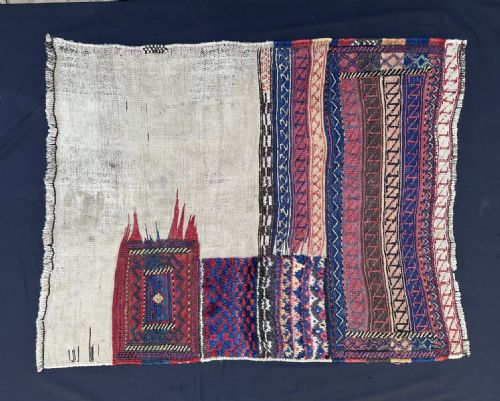
The survival of original flat-woven backs, complete closures, and supplementary ornamentation such as tassels or shells elevates the standing of an individual textile.
The Nomadic Tribal Rug Bag Glossary
- Khorjin
- A traditional double-sided saddle bag used for transport on animals during migrations. These pieces were joined by a central slit web.
- Chuval
- A large tent storage bag utilised by Turkmen groups for bedding and household possessions. They often feature multiple primary guls.
- Torba
- A smaller wall-hanging bag or storage sack used within the nomadic tent. These frequently display detailed primary medallion designs.
- Chanteh
- A small personal vanity bag or carrying pouch. Nomads used these for small personal items and tobacco.
- Gul
- An octagonal or medallion-like primary motif repeated across Turkmen and Central Asian tribal weaving. Each pattern identifies specific tribal lineages.
Nomadic Tribal Rug Bag: Frequently Asked Questions
What were nomadic tribal rug bags used for?
These textiles functioned as essential storage and transport items within nomadic households. Families utilised them to pack salt, vanity items, tobacco, bedding, and household goods.
Larger double-sided versions draped over pack animals during seasonal migrations, while smaller pouches hung inside the tent structure for daily access.
Are complete bags rarer than bag faces?
Complete bags retaining their original flat-weave reverse sides and connecting webs appear less frequently than isolated bag faces. Many surviving pieces were separated from their paired compartments over generations of use or trade.
Surviving backs offer complete structural context for how the textile functioned in daily nomadic life.
How should I care for an antique tribal bag?
Maintenance requires gentle vacuuming with low suction, avoiding rotating brush heads that can catch hand-spun wool fibres. Keeping the textile away from direct sunlight prevents natural dye fading.
Professional textile conservationists should handle any necessary washing or structural repairs to preserve the historical integrity of the piece.