
Nomadic Textile Wall Hanging
A nomadic textile wall hanging brings the geometric brilliance and tribal history of Persian, Turkmen, and Central Asian makers directly into a modern room.
Nomadic Textile Wall Hanging
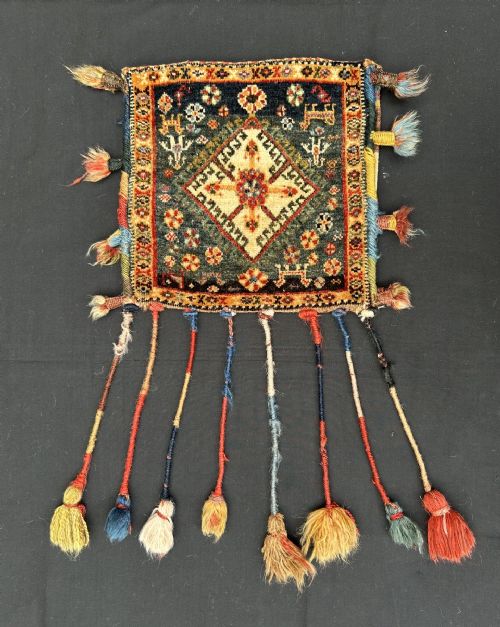
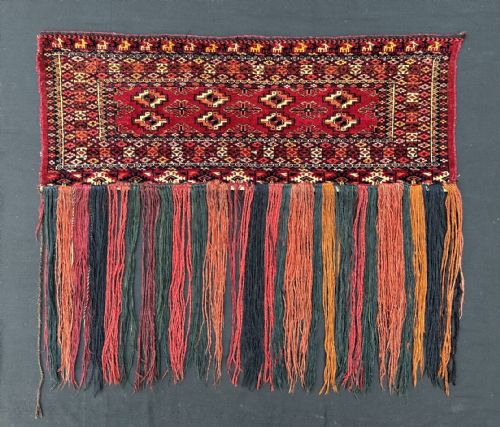
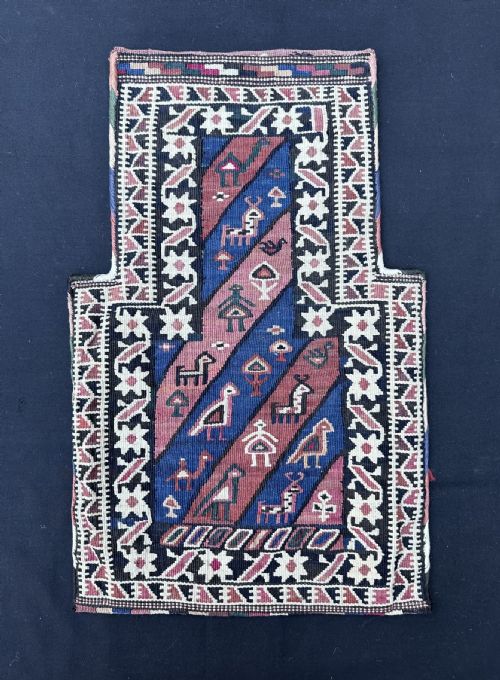
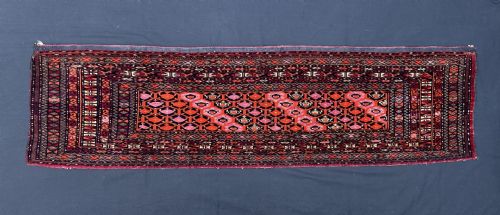
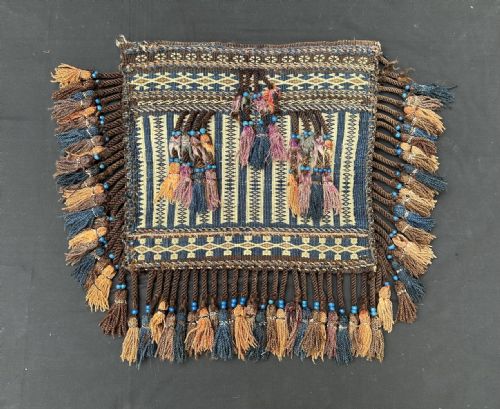
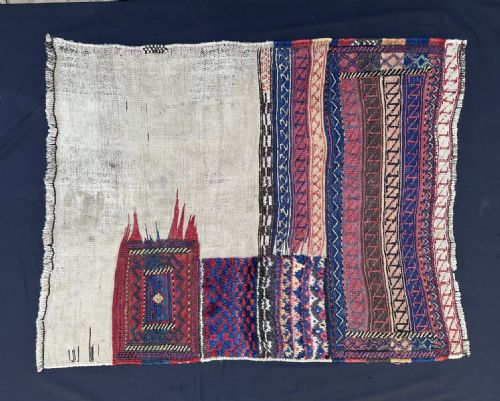
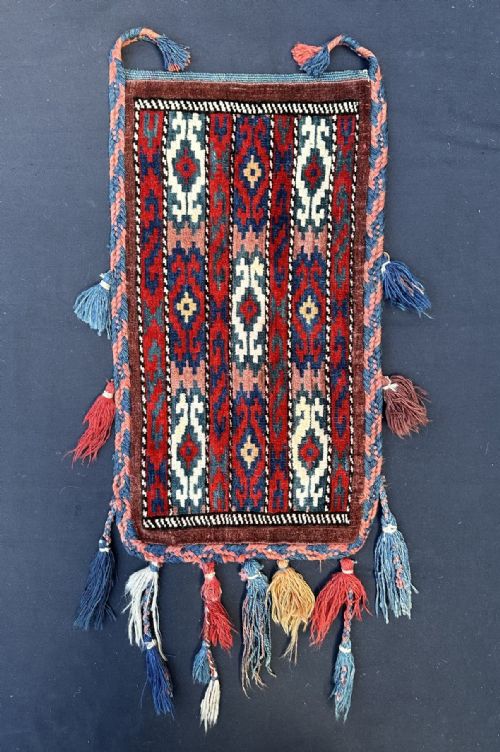
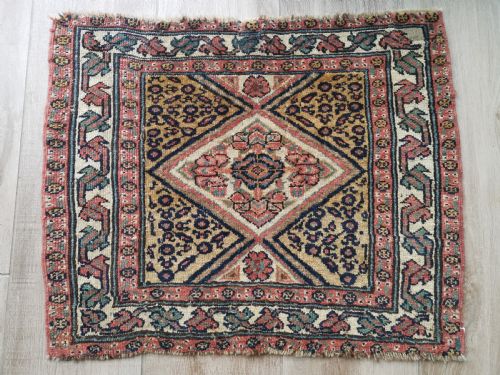
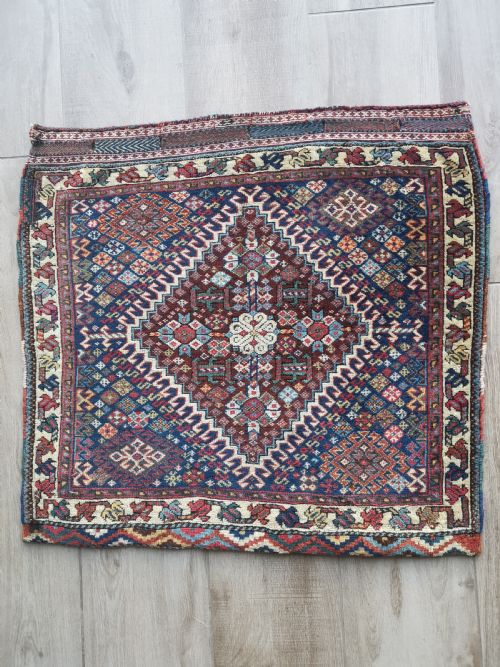
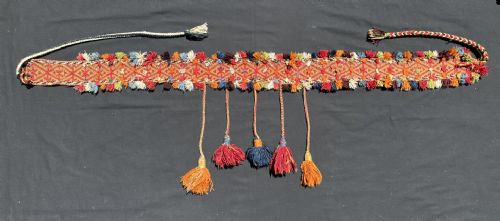
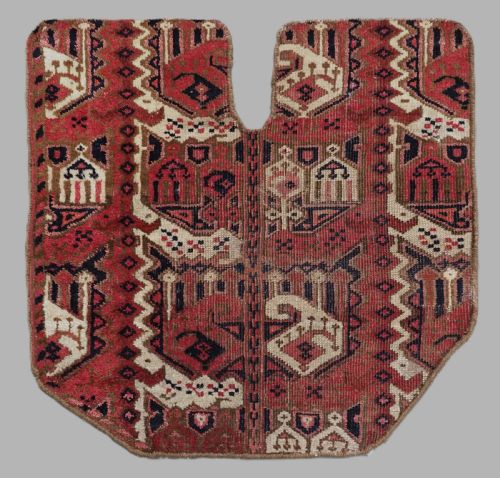
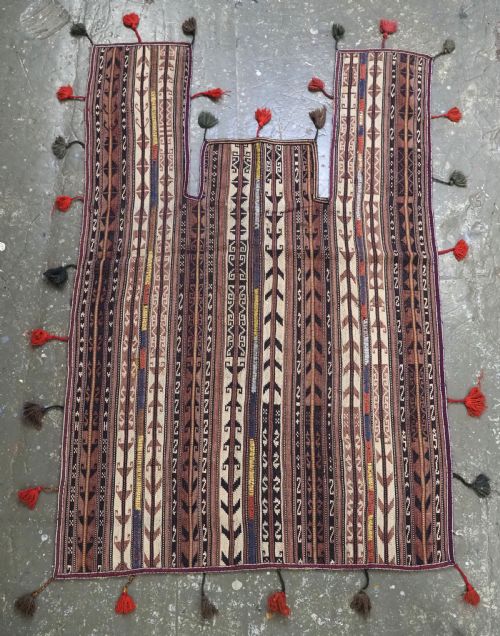
A nomadic textile wall hanging encompasses functional tribal weavings repurposed for display, originating from nineteenth-century pastoral groups across Persia, Afghanistan, and Central Asia. These items include bagfaces, salt-bags, saddle covers, animal trappings, and dowry embroideries created by specific confederacies such as the Qashqa'i, Yomut, and Lakai tribes.
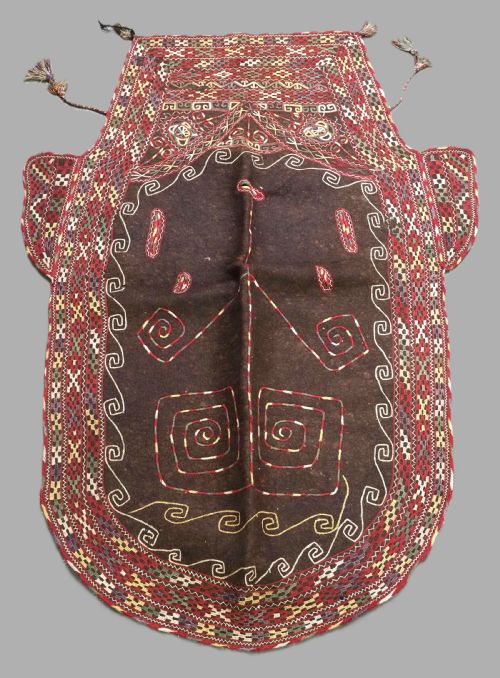
The selections available here focus heavily on utilitarian objects transformed by their maker's hand into striking visual art. Buyers encounter utilitarian pieces like storage pouches and horse blankets that now serve as textile art on interior walls rather than functional camp gear.
How they were made
These textiles rely on hand-spun wool and cotton thread, dyed using natural pigments derived from plants and minerals to yield deep, lasting tones. Artisans combined flat-weaving, pile-knotting, and intricate embroidery techniques depending on whether the object was a sturdy storage bag or a delicate dowry hanging.
Felted wool and plain felt also appear frequently, especially in ceremonial horse blankets and Central Asian pieces. The construction demands rigorous manual labour, from carding the fleece to executing complex geometric and pictorial motifs by hand.
Listings span periods from the 1850s through 1910, utilising wool, cotton, felt, and natural dyes across Persian, Turkmen, and Central Asian tribal origins.
What varies in quality
The standard of a weaving rests on the density of the weave, the precision of the tribal motifs, and the clarity of the natural dyes. Superior examples exhibit vibrant, harmonious palettes that indicate careful dye preparation and high-grade wool selection.
Integrity of survival and completeness also dictate distinction, separating items with intact original tassels and sound structural edges from those heavily compromised by time and heavy camp use.
The Nomadic Textile Wall Hanging Glossary
- Asmalyk
- A pentagonal trapping traditionally mounted on the flanks of a camel during Turkmen wedding processions. These decorative pieces display distinct Gül motifs and elaborate geometric arrangements.
- Ilgich
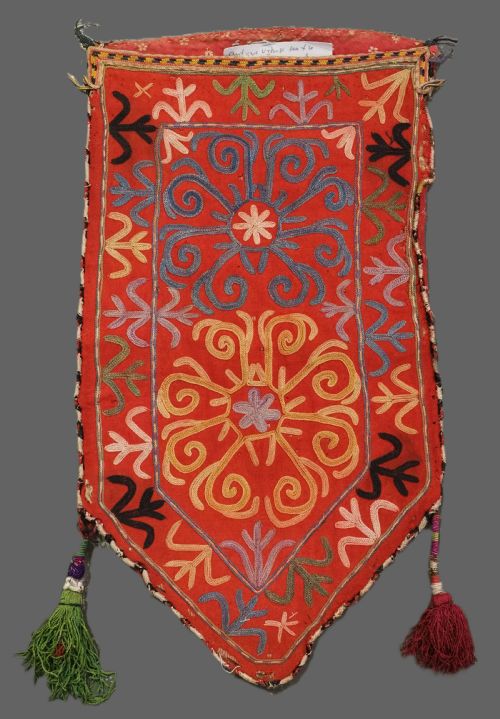
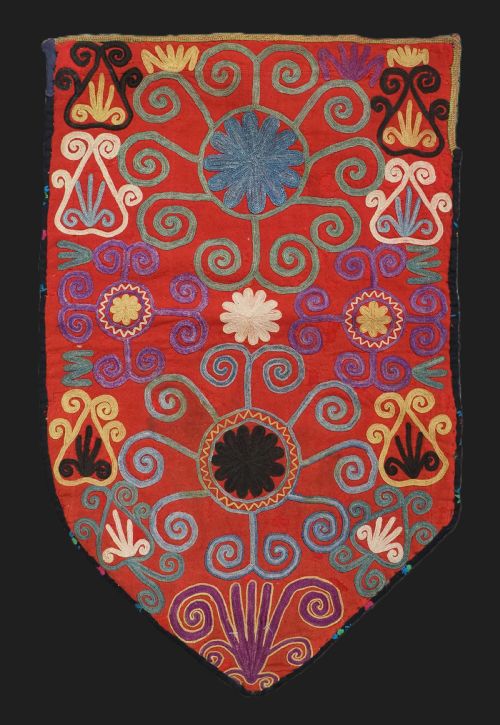
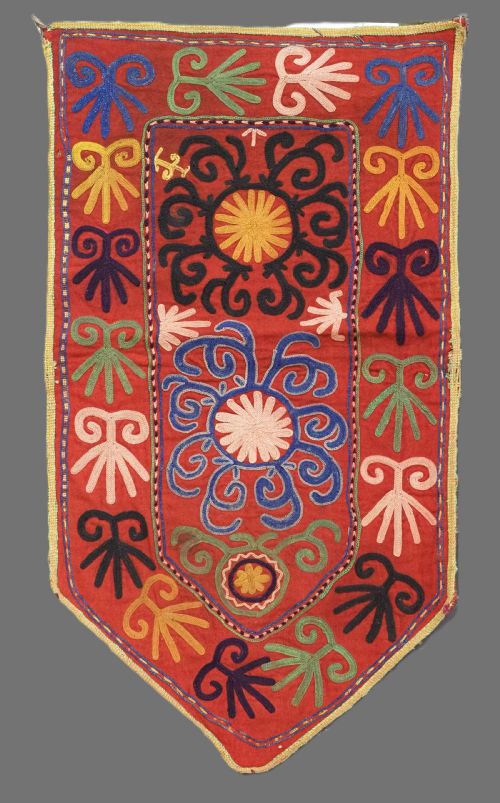
- An Uzbek dowry embroidery created by the Lakai tribe, frequently utilised for wall decoration. They showcase dynamic, curvilinear needlework using silk thread on wool or cotton grounds.
- Sofreh
- A flat-woven spread or cloth used during meals or dough preparation among nomadic groups. Timuri and other tribal weavers produced these with stark minimalist designs.
- Torba
- A small storage bag woven by Turkmen tribes for domestic use inside a yurt. They are typically wider than they are tall and feature repeated primary guls.
- Uut Kap
- A storage bag produced by Central Asian Uzbek and Lakai groups, designed to hold household goods inside tents. These often feature striking embroidery and double-faced construction.
Nomadic Textile Wall Hanging: Frequently Asked Questions
How were these textiles used originally?
Nomadic groups utilised these woven and embroidered pieces for practical camp life, storing salt, pipes, and bedding inside tents. They also decorated pack animals during tribal migrations and ceremonial events like weddings.
Over time, these utilitarian objects transitioned from functional camp gear into decorative items for domestic interiors. Their durability and striking tribal designs made them natural candidates for wall display.
Where do these wall hangings originate?
The pieces originate from pastoral and nomadic communities across Persia, Afghanistan, and Central Asia. Specific tribal confederacies, such as the Qashqa'i, Yomut, and Lakai, produced distinct regional styles.
Geography dictated the materials and motifs available to each weaver. Rugged mountain ranges and wide steppes directly influenced the practical shapes and wool qualities found in these textiles.
How do I care for a textile wall hanging?
Protect antique wool and cotton textiles from direct sunlight to prevent natural dye fading over time. Hanging them securely distributes the weight evenly across the structure without straining individual threads.
Periodic gentle dusting with a soft brush helps maintain the surface without damaging delicate embroidery or pile. Avoid moisture and damp environments to preserve the integrity of the natural fibres.