




Nomadic Persian Flatweave
When you search for a nomadic persian flatweave, you are looking at utilitarian tribal weavings made for portable rural life.
Nomadic Persian Flatweave
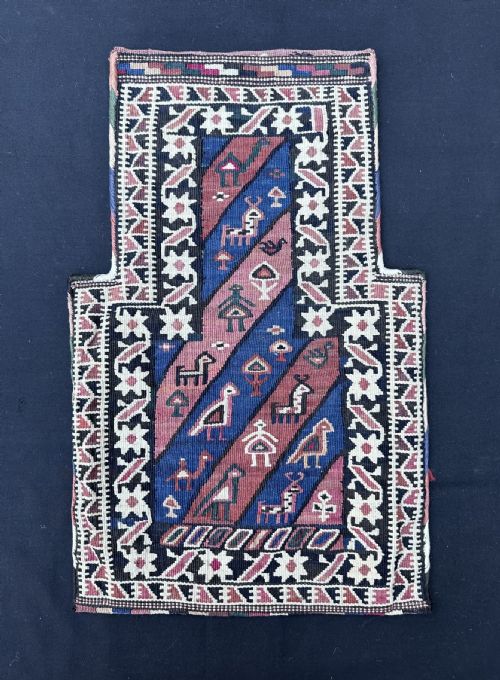
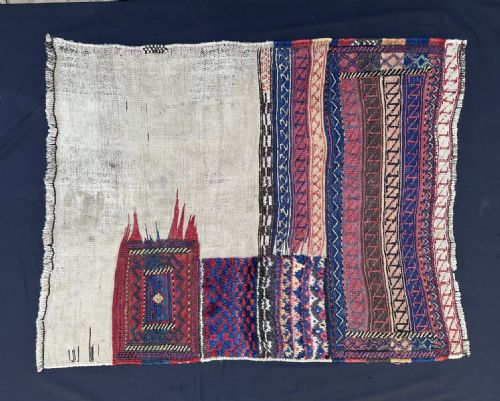
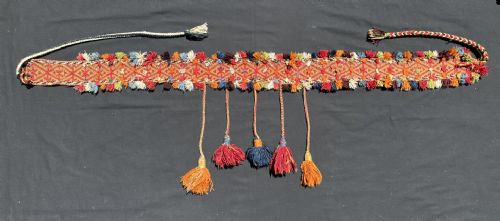
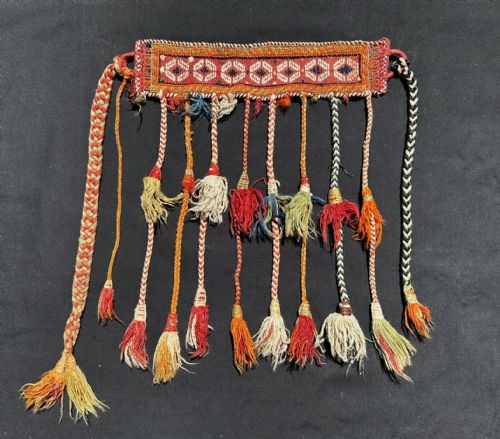
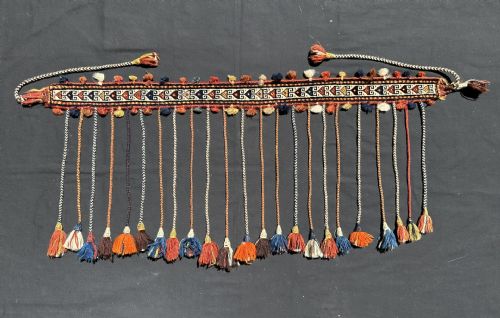
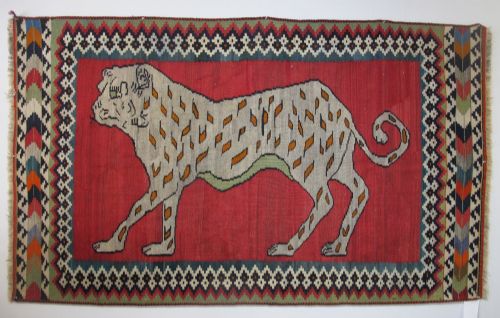
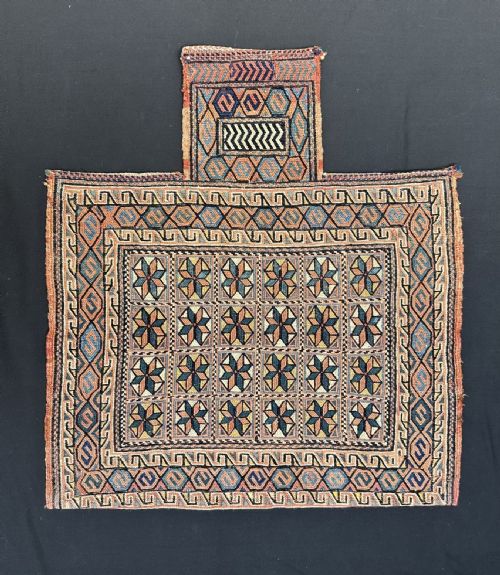
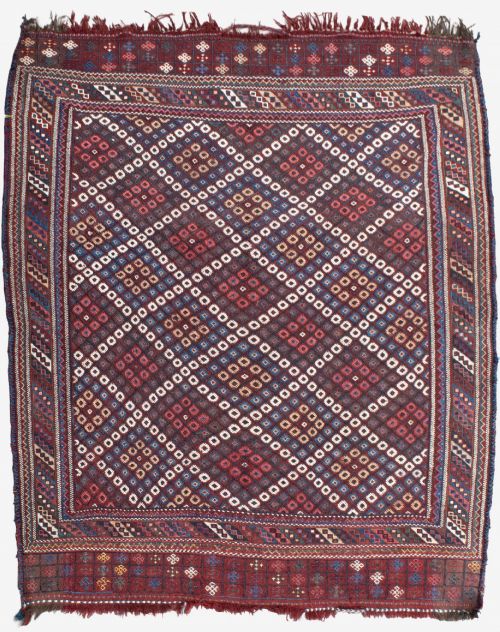
A nomadic persian flatweave encompasses functional utilitarian objects such as salt-bags, bread sofreh cloths, storage bags, and kilims produced by various tribal confederacies across Persia.
The pieces on this page originate from pastoral groups including the Qashqai, Afshar, Bakhtiari, Shahsavan, and Baluch from the late nineteenth century to the early twentieth century.
Forms range from small saddle-bags and animal trappings to larger dining cloths and floor kilims created for everyday nomadic existence.
How They Were Made
These textiles rely primarily on hand-spun wool and cotton, occasionally incorporating goat hair, silk, and cowrie shells for reinforcement and decoration.
Weavers utilised natural dyes to achieve rich colour palettes across flat-woven structures, soumac work, and banded weft designs without pile knots.
Listings feature pieces spanning from the mid-nineteenth century to the early twentieth century, utilising wool, cotton, silk, and natural dyes.
What Varies in Quality
Quality rests on the fineness of the flatweave structure, the complexity of the tribal patterning, and the clarity of the natural dye palette.
Condition plays a role, particularly the presence of original backs, complete fringes, and uncompromised structural integrity in utilitarian bags and sofreh cloths.
The Nomadic Persian Flatweave Glossary
- Sofreh
- A spreading cloth used for eating meals or kneading and baking bread within the tent.
- Tacheh
- A large square bag or wheat-sack utilised for grain storage and transport during seasonal migrations.
- Soumac
- A wrap-faced weaving technique where weft threads are wrapped over the warp to create a textured, durable surface.
- Chanteh
- A small personal vanity bag or pocket woven by tribal nomadic women.
Nomadic Persian Flatweave: Frequently Asked Questions
What is a nomadic persian flatweave used for?
These textiles served practical functions in daily nomadic life, ranging from carrying salt and wheat to spreading meals on the ground.
Today, collectors use smaller bags and kilims as decorative wall hangings, table covers, or small floor accents.
How do I identify different tribal groups?
Different confederacies like the Qashqai, Afshar, and Bakhtiari utilised distinct geometric motifs, structural weaves, and regional colour combinations.
Examining the specific wool quality and border designs often points towards the geographic origins in Fars, Kerman, or Khorassan.
How should I care for flatweave textiles?
Keep these historic wool and cotton pieces out of direct sunlight to prevent natural dye fading.
Gentle vacuuming without a rotating brush and occasional professional textile cleaning will preserve the weave.
Are flatweaves durable enough for the floor?
Many tribal flatweaves were built for rugged camp use, making them resilient for light foot traffic.
Placing a proper underlay beneath a kilim prevents slipping and reduces friction against hard flooring.