

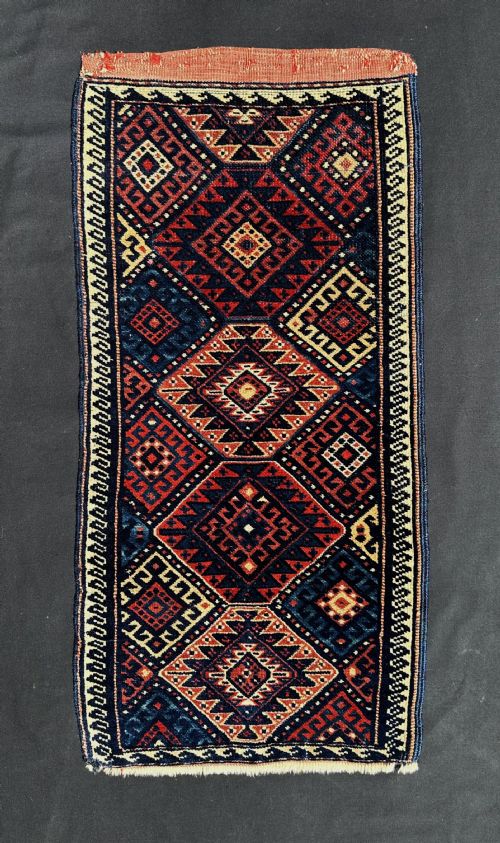


Nomadic Hand Woven Textile
When searching for a nomadic hand woven textile, collectors find genuine nineteenth-century tribal weavings created for utility across Central Asia and Persia.
Nomadic Hand Woven Textile
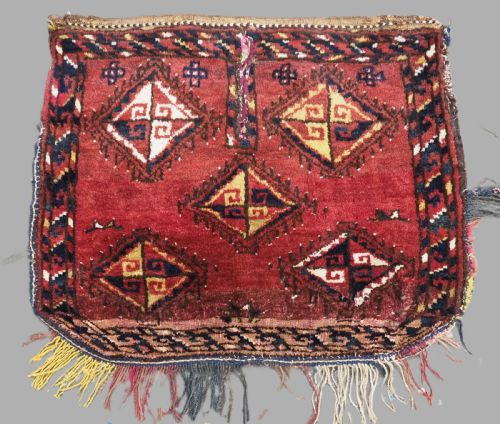
Most examples date from the mid-nineteenth century to the early twentieth century, reflecting traditional tribal patterns passed down through generations. The surviving items demonstrate the material culture of nomadic peoples who utilised wool and natural dyes for their portable household belongings.
How they were made
The construction relies heavily on hand-spun wool for the pile and foundation, providing the structural durability required for nomadic utility. Artisans incorporated natural dyes derived from local plants and minerals to achieve deep reds, indigos, and ivory grounds.
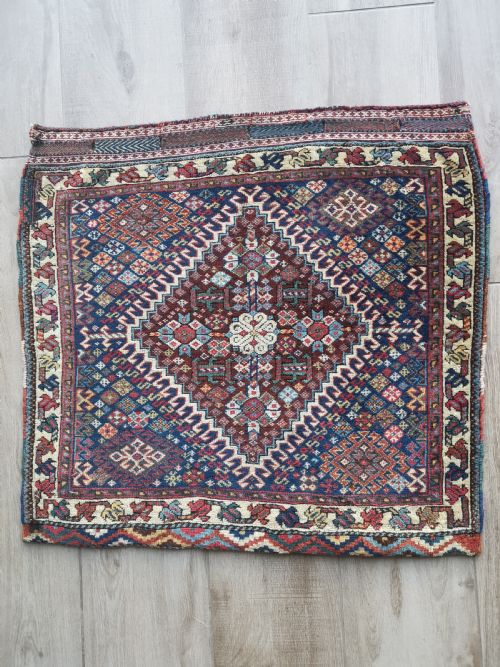
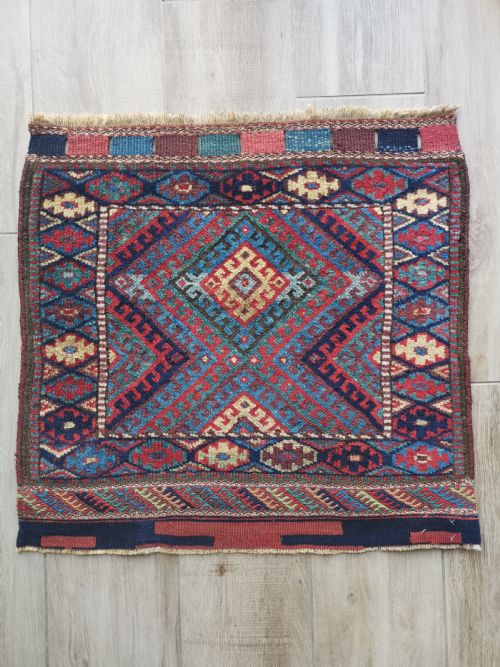
Weavers utilised supplementary weft techniques and asymmetrical or symmetrical knotting depending on the tribal tradition. Many pieces combine piled surfaces with flat-woven plain-weave backs or sides to reduce weight and bulk for transport.
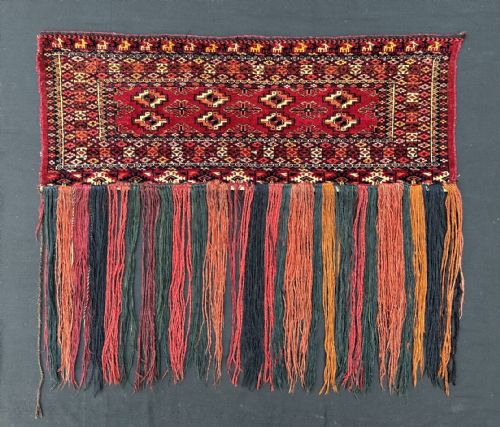
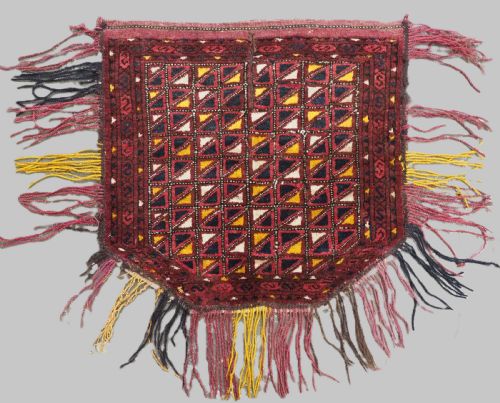
Fringe finishing, original tassels, and structural selvages are integrated directly into the weaving process, maintaining the integrity of items meant for hanging inside tents or strapping across pack animals.
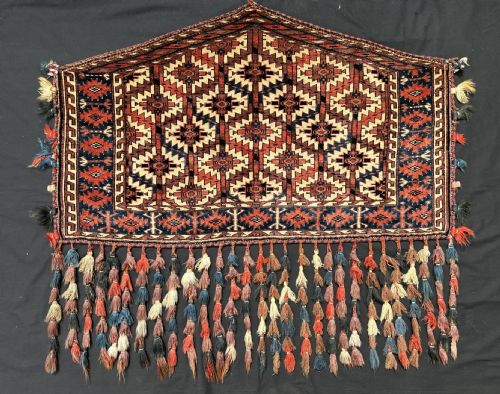
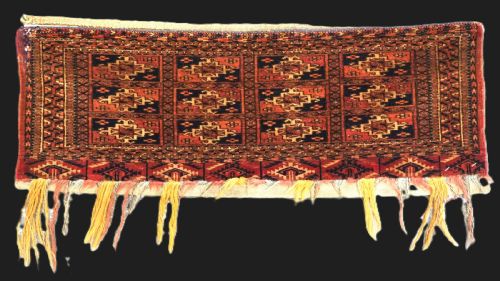
Some bag faces retain their original wool tassels, swaying slightly as they hang just as they once did on migrating pack animals.
What varies in quality
The refinement of the drawing and the saturation of the natural dye palette set superior examples apart from standard work. Crisp execution of tribal motifs such as guls, chuval designs, or curled leaf patterns indicates greater technical discipline by the weaver.
Completeness significantly influences the standing of a piece, with surviving backs, original tassels, and intact dimensions preserving the intended form. The handling of the wool grease and the resulting lustre of the pile further distinguish master-woven bags from simpler utility pieces.
The Nomadic Hand Woven Textile Glossary
- Torba
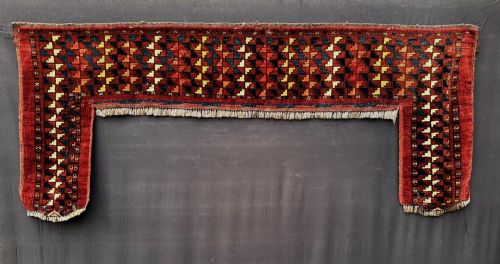
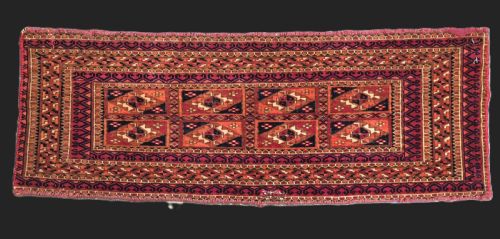
- A small storage bag produced by Turkmen and other Central Asian tribes for domestic use inside the tent. These horizontal hangings often featured repeated gul motifs across the face.
- Chuval
- A large storage bag utilised by nomadic tribes for bedding and household goods. They typically display multiple primary guls arranged in a grid.
- Gul
- A repeating medallion or principal design motif characteristic of Turkmen and Central Asian tribal weaving. Each tribal grouping utilised distinct variations to signal identity.
- Asmalyk
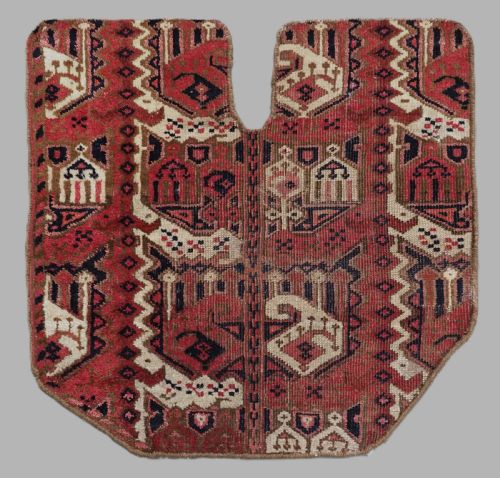
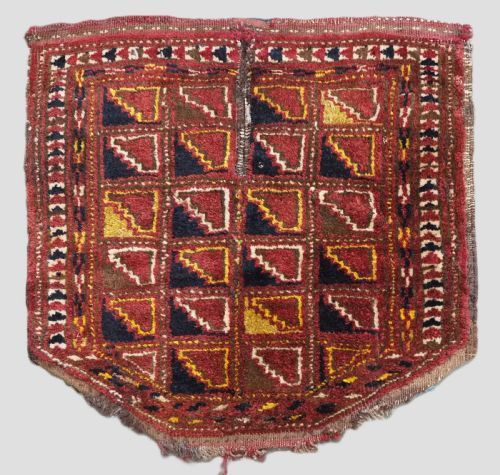
- A pentagonal trapping traditionally hung on the flanks of a camel during wedding processions. These decorative pieces are among the most ornate items produced by Yomut and other Turkmen weavers.
- Bagface
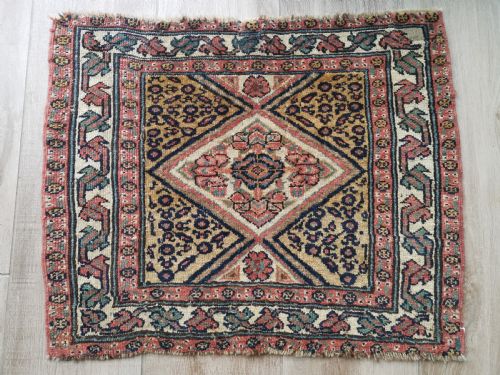
- The decorative front panel of a saddlebag or storage pouch that survived after the plain-weave back wore away or was cut. They preserve the primary iconography of the original utilitarian object.
Nomadic Hand Woven Textile: Frequently Asked Questions
What is a nomadic hand woven textile?
These items are functional tribal weavings made by nomadic groups in regions like Turkmenistan, Uzbekistan, and Persia during the nineteenth century. They served practical roles as storage bags, tent furnishings, and animal trappings.
Unlike urban workshop carpets, these textiles were made for daily domestic transport using locally sourced materials and traditional tribal patterns.
How were these bags used originally?
Nomadic families utilised these woven pieces inside tents and yurts to store clothing, grain, bedding, and personal possessions. Many items functioned as saddlebags or pack bags strapped to horses and camels during seasonal migrations.
Specialised forms like asmalyks were reserved for ceremonial events such as weddings, adorning the flanks of transport animals during tribal processions.
How do I identify different tribal groups?
Attribution relies on specific design vocabulary, colour palettes, and structural formats associated with particular confederations like the Yomut, Tekke, Ersari, or Qashqai. Each group employed distinct primary motifs, such as the kepse gul or tekke secondary guls.
Structural details like weave density, wool quality, and side-cord finishes also provide clues to the specific region and tribal workshop origin.
How should I care for an antique textile?
Protect antique woolwork from direct sunlight to prevent natural dye fading and keep the environment dry to avoid moisture damage. Gentle vacuuming with a mesh screen attachment helps remove dust without pulling the hand-spun pile.
Displaying these pieces away from heavy foot traffic ensures the old foundation threads and natural fibres remain stable over time.