





Nomadic Afghan Carpet
When you search for a nomadic afghan carpet, you are entering the world of tribal weaving, where utilitarian floor coverings and prayer rugs reflect centuries of regional tradition.
Nomadic Afghan Carpet
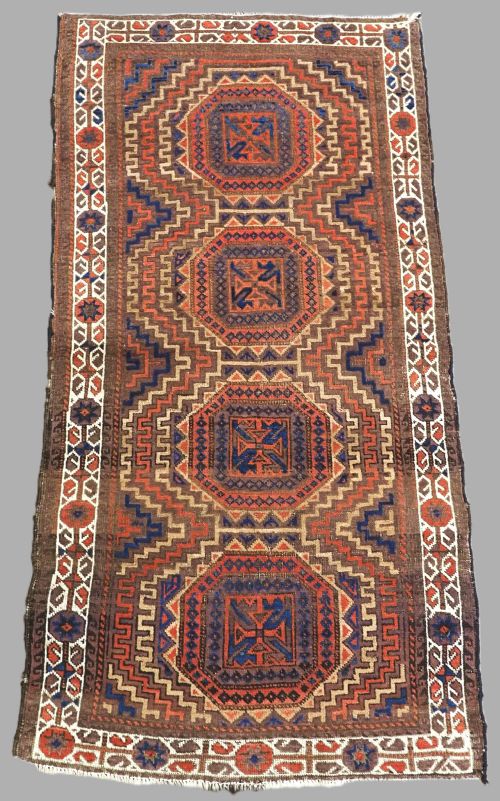
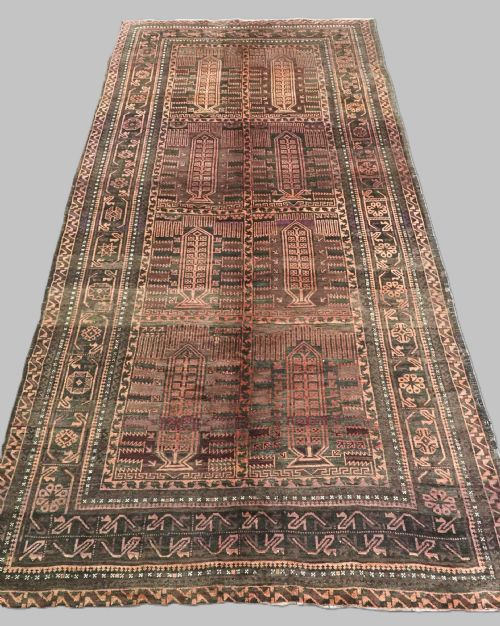
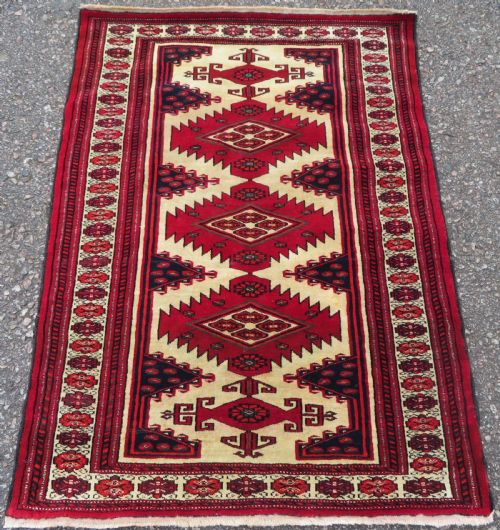
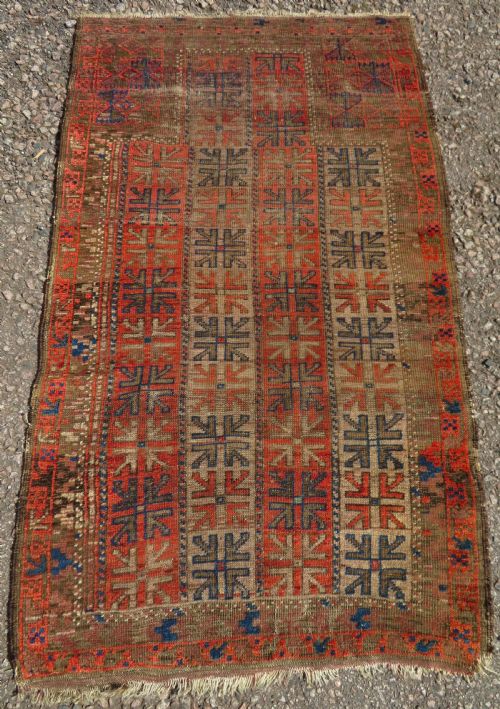
A nomadic afghan carpet encompasses a diverse range of tribal weaving traditions originating from the borderlands and villages of Afghanistan. Buyers exploring this category encounter rugs, main carpets, prayer rugs, kilims, and utilitarian items such as sofreh eating cloths and salt bags.
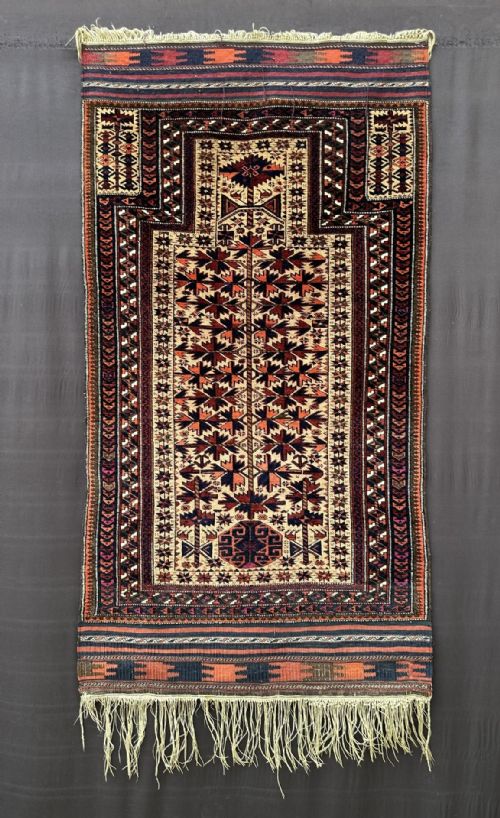
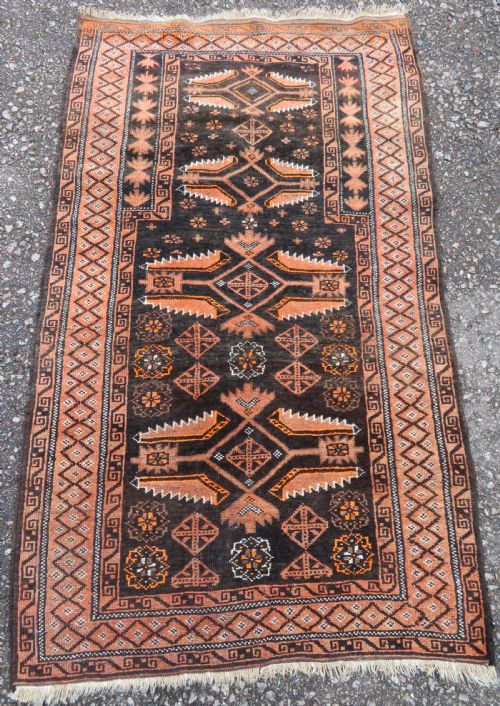
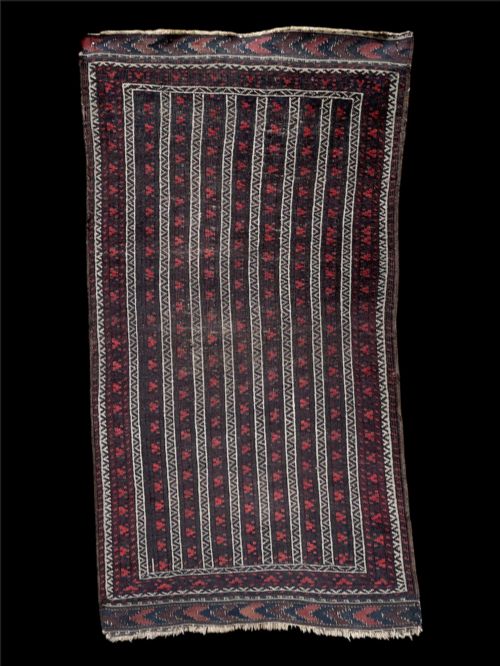
The pieces typically stem from nineteenth and early twentieth-century traditions, spanning tribal groups including the Baluch, Timuri, Ersari Turkmen, and Taimani. Many examples display specific regional formats like double or triple mihrab prayer designs and pencil box motifs.
Most items on this page reflect village and nomadic production methods, often woven in parts or featuring long kilim ends. These textiles served functional purposes for nomadic and semi-nomadic groups before entering the antique market.
How They Were Made
These textiles rely primarily on wool foundations, supplemented by hand-spun wool, cotton, goat hair, horsehair, and camel hair. Natural dyes provide the warm colour palette characteristic of these regional weaves.
Weaving techniques include pile knotted carpets alongside flatwoven kilims and banded weftwork structures. Many larger kilims and rugs were constructed in two parts and joined together.
Nomadic Afghan Carpet Retail Price Guide 2026
Typical asking prices for nomadic afghan carpet among the pieces listed under this phrase on Sellingantiques today, from the lower quarter to the upper quarter. They describe what is for sale here now, not the wider market.
Listings span periods from the mid-nineteenth century through the 1930s, featuring wool, goat hair, camel hair, and natural dyes.
What Varies in Quality
The distinction between ordinary and superior pieces rests on the handling of traditional motifs, such as guls, kalam donneh patterns, and repeat star octagons. Crisp execution and balanced proportions elevate certain tribal formats above standard village production.
Material selection also dictates the character of each weave, with finely spun wools and well-fixed natural dyes producing greater depth of colour. The structural integrity of the pile and the tightness of the flatweave bands distinguish more accomplished weaving.
The Nomadic Afghan Carpet Glossary
- Mihrab
- The arched design element found on prayer rugs, representing the niche pointing towards Mecca. Double and triple mihrab variants appear frequently in Baluch and Taimani weaving.
- Kilim
- A flatwoven textile produced without a pile, often featuring geometric bands of weftwork decoration. These were utilised both as standalone floor coverings and end panels.
- Gul
- A medallion or repeating octagonal motif traditional to Turkmen and associated tribal carpets. These motifs often identify the specific weaving group.
- Sofreh
- A flatwoven cloth traditionally used for spreading meals on the ground or for kneading dough. They display distinct tribal iconography related to daily nomadic life.
- Pencil box
- A descriptive collector term for the classic Timuri and Baluch main carpet design characterised by stacked diagonal compartments. This format remains a defining attribute of western Afghan weaving.
Nomadic Afghan Carpet: Frequently Asked Questions
What is a nomadic afghan carpet?
A nomadic afghan carpet is a hand-knotted or flatwoven textile produced by tribal groups in Afghanistan and surrounding border regions. These pieces include prayer rugs, main carpets, and utility bags made for daily nomadic life.
They are distinguished by traditional materials like hand-spun wool, goat hair, and natural dyes. The designs often incorporate geometric guls, prayer arches, and banded kilim ends characteristic of regional weavers.
How do I identify a prayer rug?
Prayer rugs are identified by the presence of a mihrab, which is a pointed arch design indicating the direction of prayer. Many Afghan and Baluch examples feature single, double, or triple arches.
These formats were woven for personal devotion and personal use during travel or daily observance. Their smaller dimensions set them apart from larger main carpets.
What is a kilim end?
A kilim end refers to the flatwoven extension at the top or bottom of a pile rug. These sections lack knotted pile and often display bands of geometric weftwork.
In many Afghan tribal rugs, these extended flatweave ends served practical purposes to protect the ends from fraying. They provide a visual contrast to the dense pile above.
How do I care for an antique rug?
Antique tribal rugs require gentle maintenance, starting with regular vacuuming using low suction without a rotating brush bar. Keeping them out of direct sunlight prevents the natural dyes from fading over time.
Professional cleaning suited for antique wool textiles ensures the fibres remain stable. Rotating the rug periodically also promotes even wear across the surface.