

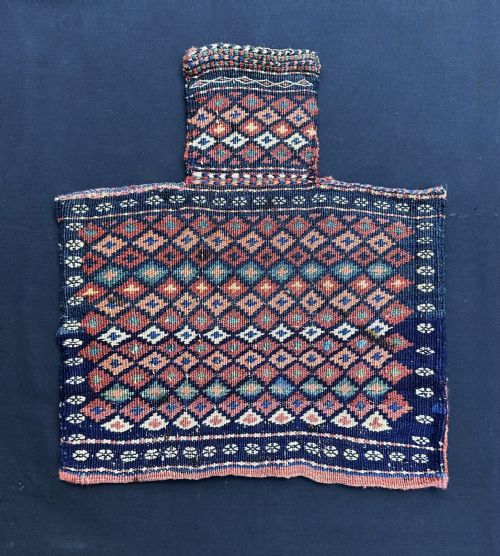
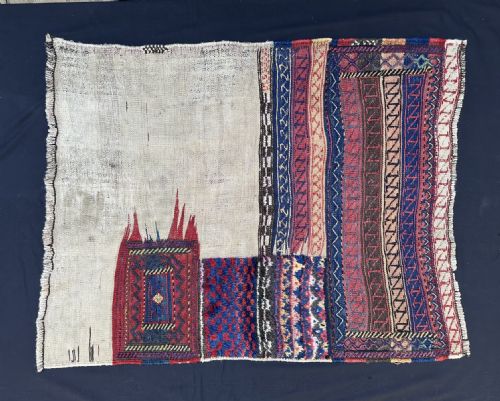
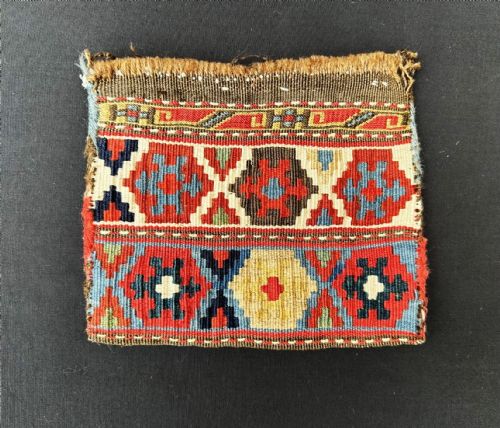
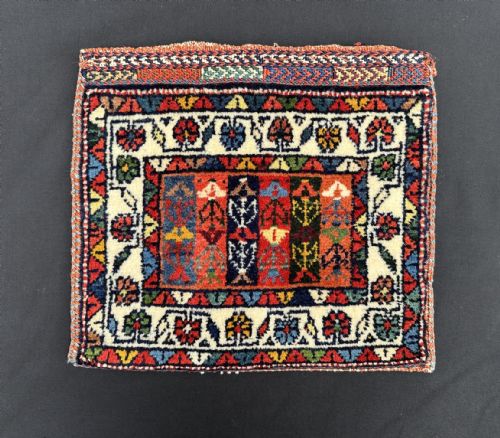



Nomad Woven Rug
When you search for a nomad woven rug, you encounter the utilitarian artistry of tribal groups from Persia, Central Asia, and Afghanistan, crafted for domestic or nomadic life.
Nomad Woven Rug
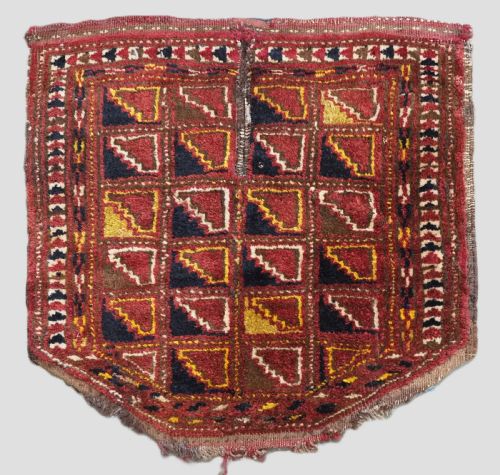
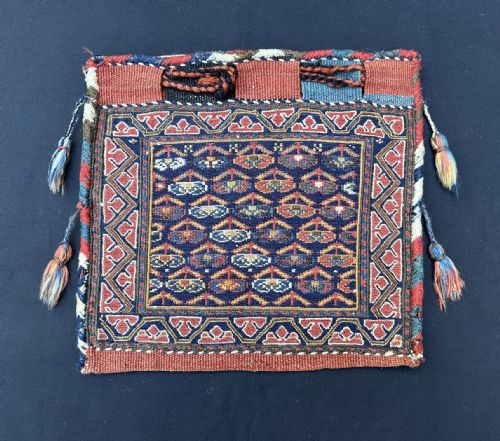
A nomad woven rug encompasses a wide variety of utilitarian textile forms, from larger floor carpets and kilims to specific household items like bread sofrehs, horse blankets, and tent furnishings. These pieces originate from distinct tribal groups such as the Afshar, Qashqai, Shahsevan, Lori-Bakhtiari, and various Turkmen tribes including the Tekke, Yomut, and Ersari.
The aesthetic of a nomad woven rug reflects the specific cultural heritage and regional traditions of its makers across Persia, the Caucasus, and Central Asia. Designs range from geometric tribal motifs and traditional banded patterns to specific medallions like gul designs, dragon and phoenix depictions, and architectural references.
How they were made
The construction of a nomad woven rug relies heavily on wool, frequently hand-spun and combined with cotton for foundations or structural elements. Goat hair is also utilised for durability in heavier utilitarian edges and bag backs, while occasional decorative additions include cowrie shells.
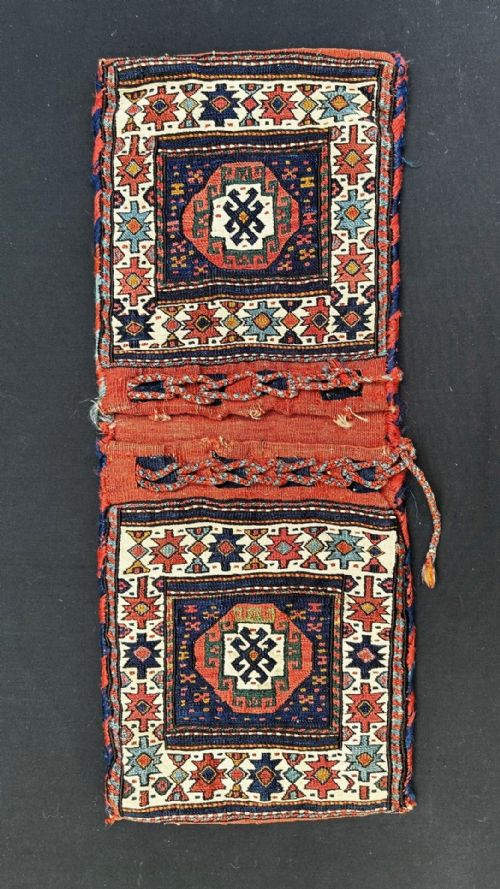
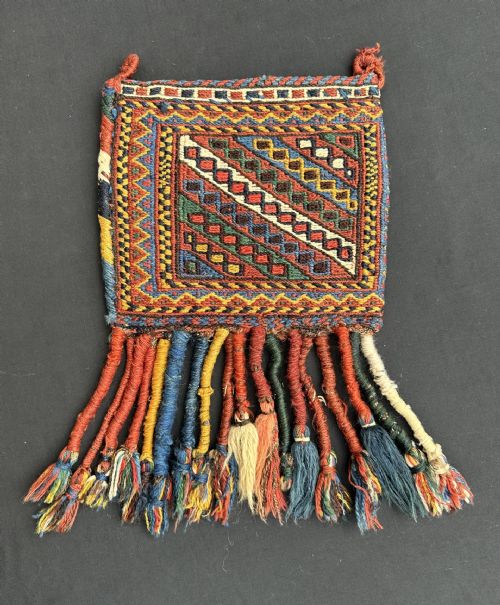
Weavers employed traditional techniques such as standard pile knotting and flatweave construction, including Soumak work. These methods were executed on portable or stationary looms set up by nomadic and village communities.
Colour comes from natural dyes applied to the animal fibres, producing rich and varied tones that develop distinct character over time. The interaction between hand-spun wool and these dyestuffs creates the characteristic visual depth observed across these tribal textiles.
Nomad Woven Rug Retail Price Guide 2026
Typical asking prices for nomad woven rug among the pieces listed under this phrase on Sellingantiques today, from the lower quarter to the upper quarter. They describe what is for sale here now, not the wider market.
Listings span periods from the mid-nineteenth century to the early twentieth century, incorporating wool, cotton, goat hair, and natural dyes.
What varies in quality
The quality of a nomad woven rug rests primarily on the fineness of the weave and the handling of materials. Tighter knot counts or precise flatweave execution allow complex tribal patterns to resolve with clarity.
The depth, saturation, and balance of natural dyes distinguish superior examples from ordinary production. Skilled dyers achieved harmonious colour palettes that retain visual resonance, whereas lesser pieces can display flat or muddy tones.
Structural integrity and the preservation of original finishes, such as complete borders, selvedges, and bag backs, elevate an example. Pieces retaining their original function and context demonstrate superior preservation of tribal artistry.
The Nomad Woven Rug Glossary
- Gul
- A primary medallion motif characteristic of Turkmen and Central Asian tribal weaving. These repeating octagonal or gabled designs often identify the specific sub-tribe or clan that made the textile.
- Torba
- A small storage bag or trapping used within a nomadic tent, typically wider than it is tall. They were hung against the tent walls and often featured elaborate face designs.
- Chuval
- A large tent bag used by Turkmen nomads for household storage, usually featuring multiple guls across the face. Surviving examples are frequently collected as flat panel fragments detached from their original base.
- Soumak
- A flatweave technique utilising a wrapping stitch over warp threads to create a durable and structurally distinct surface. This method produces a textured face with a smooth, unknotted reverse.
- Sofreh
- A flatwoven spread or cloth utilised for dining, dough preparation, or ritual meals. Afshar and other Persian nomads wove these textiles with distinctive geometric fields.
- Khorjin
- A double saddlebag used for transport during tribal migrations, often woven as a connected pair. Many surviving pieces appear as separated halves or individual face fragments.
Nomad Woven Rug: Frequently Asked Questions
How were tribal bags used?
Tribal bags served practical storage and transport functions in nomadic and village households. Items like salt bags, vanity bags, and bread sofrehs held essential daily goods inside tents or on pack animals.
Larger trapping bags like torbas and chuvals organised belongings along the interior walls of a yurt or tent, combining utility with decorative tribal status.
How do I identify different tribal styles?
Identifying tribal styles involves examining the specific motifs, colour palettes, and structural formats characteristic of different groups. For instance, Turkmen weavers frequently used repeating guls on deep red grounds, while Afshar and Qashqai weavers favoured distinct floral or geometric medallions.
Regional materials, such as specific grades of hand-spun wool and natural dye combinations, further differentiate pieces from areas like Fars, Kerman, or the Caucasus.
Can I use these rugs on the floor?
Many larger examples and kilims were designed as floor coverings or horse blankets and handle light foot traffic well. However, many surviving pieces are bag faces or tent trappings intended originally for vertical hanging or storage rather than ground use.
Considering the age and delicate nature of historical textiles, low-traffic areas or wall display help preserve fragile foundations and natural dyes.