







Nomad Wool Runner
These nomad wool runner pieces are hardy floor coverings woven by tribal makers, offering rich earthy tones and striking geometric designs to ground any hallway.
Nomad Wool Runner
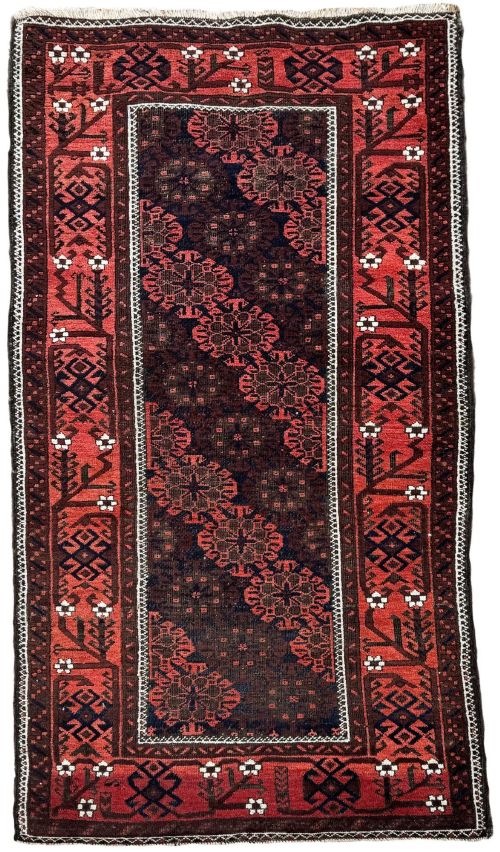
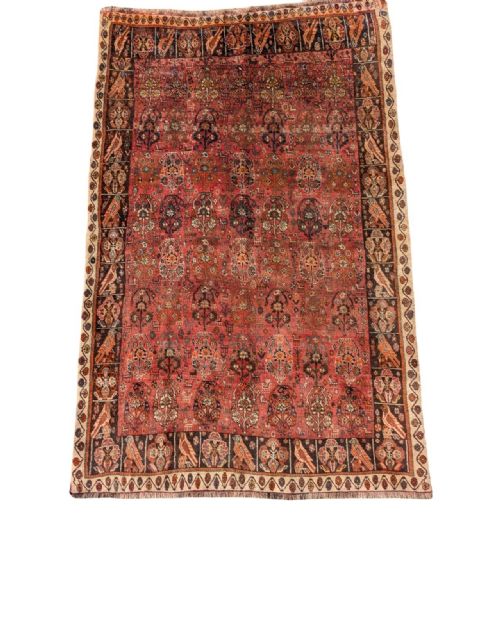
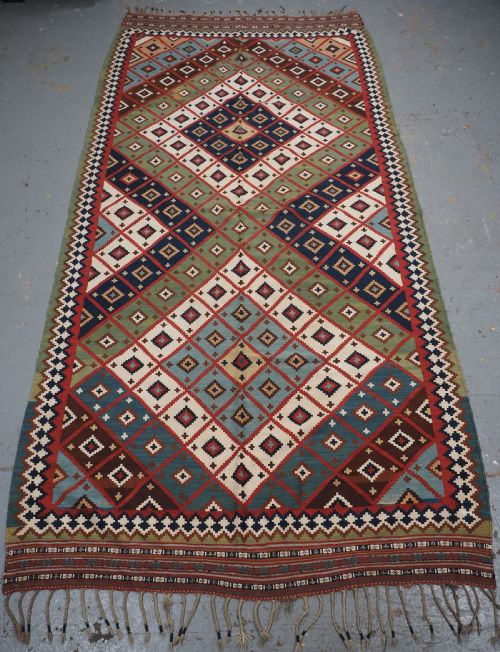
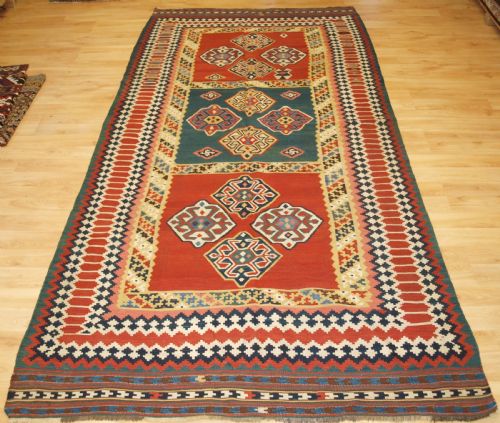
A nomad wool runner brings traditional tribal artistry into narrow spaces, taking the form of long rectangular rugs or flatweave kilims. These floor coverings emerge from various regional traditions including Persian, Anatolian, Caucasian, and Kurdish tribal weaving groups.
The pieces available span from the late nineteenth century through to the early decades of the twentieth century. They present specific tribal styles such as Qashqai, Baluch, Afshar, and Kazak, often featuring distinct geometric motifs and characteristic village or nomadic formats.
How they were made
Weavers utilised hand-spun wool, occasional camel wool, and goat hair for the pile and foundation, sometimes incorporating cotton structures. These natural fibres were dyed using traditional natural dyes to produce deep and enduring hues across the surface.
The construction methods range from knotted pile carpets to flatwoven kilims and mixed technique pieces. Artisans worked on portable vertical or horizontal looms set up in camps or villages, passing weaving knowledge down through generations.
Nomad Wool Runner Retail Price Guide 2026
Typical asking prices for nomad wool runner among the pieces listed under this phrase on Sellingantiques today, from the lower quarter to the upper quarter. They describe what is for sale here now, not the wider market.
Listings feature pieces spanning from the late nineteenth century up to 1930, utilising wool, cotton, camel wool, and natural dyes.
What varies in quality
Quality rests in the density of the weave, the handling of the wool, and the clarity of the natural dyes. A finer knot count or a tighter flatweave structure generally reflects greater time and skill invested by the maker.
Design execution and palette harmony distinguish exceptional examples from simpler utilitarian items. The vibrancy and stability of the natural dye colours, along with the crispness of the tribal motifs, elevate certain pieces above others.
The Nomad Wool Runner Glossary
- Kilim
- A flatwoven carpet or rug made without a pile, produced by tightly interweaving warp and weft strands. These pieces lie thin on the floor and often feature sharp geometric patterns.
- Pile
- The upright yarn loops or tufts that form the soft upper surface of a knotted rug. This textured layer is sheared evenly after weaving.
- Natural Dyes
- Colourants derived from plant, insect, and mineral sources rather than synthetic chemicals. They produce rich tones that mellow gracefully over time.
- Warp
- The stationary vertical threads stretched tightly on a loom before weaving begins. The weft threads are passed across and under these structural strands.
- Weft
- The horizontal threads passed back and forth through the warp strings to bind the structure together. In flatweaves, the weft completely hides the warp.
Nomad Wool Runner: Frequently Asked Questions
Where should I place a nomad wool runner?
These long formats suit narrow spaces such as hallways, corridors, and gallery landings where traditional floor coverings add warmth and texture.
They also function effectively in kitchens or bedside areas, providing durable underfoot comfort while introducing strong tribal character to the room.
How do I clean a wool runner?
Regular gentle vacuuming without a rotating brush roll helps remove grit and dust from the wool fibres. Prompt blotting of spills with a damp cloth prevents moisture from setting into the weave.
Professional specialist cleaning remains advisable for deeper maintenance to protect the natural dyes and historical structure of older textiles.
How can I tell tribal styles apart?
Styles are identified by characteristic colour palettes, regional motifs, and structural traits associated with specific weaving groups like the Qashqai or Baluch. For instance, Qashqai pieces often display rich reds and blues with compartment or medallion layouts.
Comparing border patterns, knotting density, and wool characteristics helps narrow down the probable geographic origin and tribal workshop.
Are these runners durable for daily use?
Hand-spun wool and sturdy goat hair constructions were originally built by nomadic groups to endure heavy daily life. The natural lanolin in untreated wool provides inherent resistance to dirt and everyday wear.
Placing an appropriate rug underlay beneath the piece prevents slipping and cushions the fibres against hard flooring, extending its functional lifespan.