



Nocturnal Landscape Art
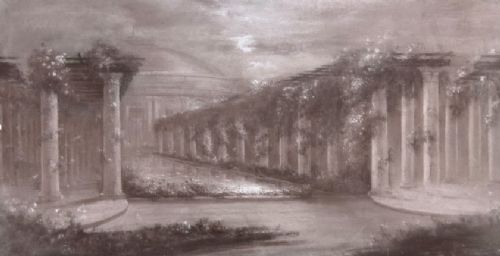
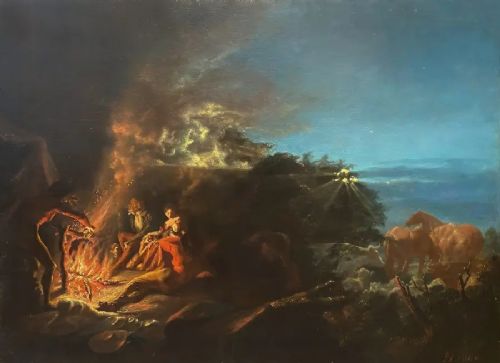
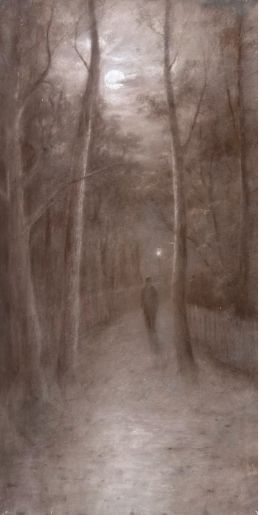
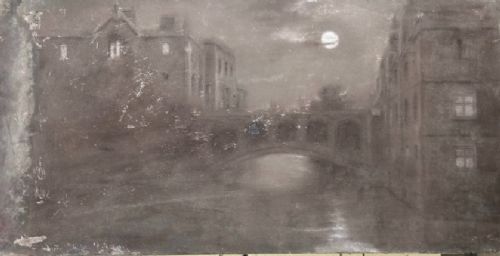
These nocturnal landscape art works capture the shadows and moonlight of past centuries, offering buyers quiet studies in night and dusk.
Nocturnal Landscape Art
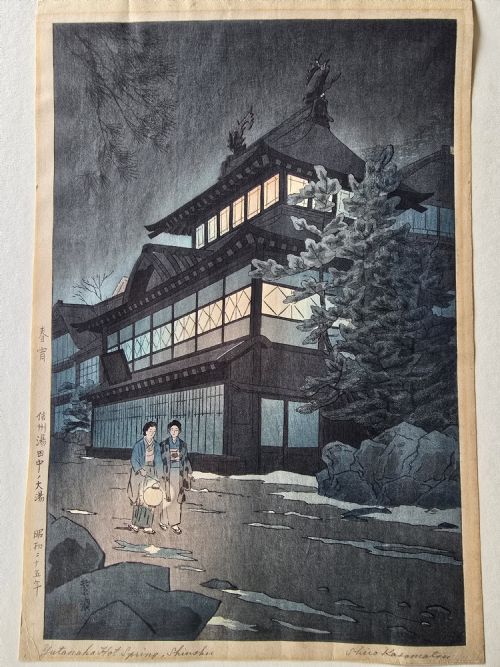
Nocturnal landscape art encompasses paintings, drawings, and prints that focus on night scenes, moonlight, and dusk. When searching this phrase, a buyer meets works spanning the nineteenth century through the mid twentieth century. The selection includes oil on canvas, charcoal on canvas, watercolours, and Japanese woodblock prints.
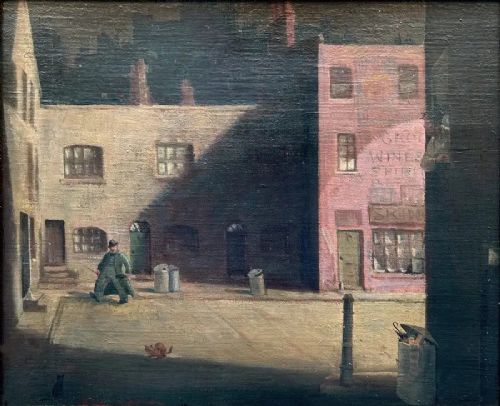
The subjects range from British street scenes and rural landscapes to coastal views and romantic ruins. Many pieces capture specific locations such as Cambridge, Whitby, and Loch Ness under the cover of night. Artists often used muted palettes to render the subtle effects of moonlight on water, architecture, and winter terrain.
Among these offerings, works influenced by the tonalist tradition and specific named artists appear frequently. Buyers encounter both intimate works on paper and larger oil paintings framed in gilt. Each piece records a distinct approach to capturing darkness, light, and atmosphere from historical periods.
How they were made
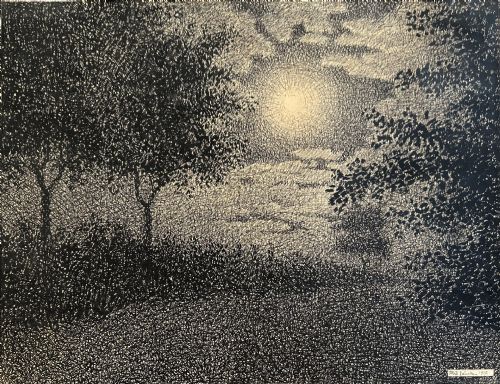
Makers applied oil paint, watercolour, charcoal, pastel, and ink onto supports including canvas, paper, and wood. Charcoal drawings are frequently attached to canvas stretchers, combining the immediacy of drawing with the rigid support of a painting. Pigments were manipulated to render the deep tones of night skies and the pale glow of the moon.
Framing and mounting materials such as gilt wood enhance the visual depth of the dark compositions. Woodblock prints utilise traditional carving and printing techniques on paper, producing distinct lines and flat colour areas. Each medium dictates the texture of the night, from the fluid washes of watercolours to the dense layers of oil paint.
Listings feature works executed in oil, charcoal, watercolour, pastel, ink, and woodblock print across the nineteenth and twentieth centuries.
What varies in quality
Quality rests upon the artist's ability to balance shadow and light without losing the definition of the landscape. Superior works demonstrate a confident handling of tone, where moonlight convincingly illuminates architecture, water, or figures. Lesser examples may rely on heavy, opaque darks that obscure form and atmosphere.
The choice of medium and the preservation of the surface material also dictate the standing of a piece. Works by listed artists or those closely tied to known circles command attention through accomplished brushwork and composition. The integration of the medium with its support, such as charcoal secured firmly to canvas, reflects the maker's technical proficiency.
Francisco Sancha·Shiro Katamatsu·William Manners·James Bell Anderson·Walter Meegan·William Samuel Horton·George Cole·Owen Bowen·Hubert Thornley·Lillian M. Harrison·Henri Joseph Harpignies
The Nocturnal Landscape Art Glossary
- Tonalism
- An artistic style that prioritised atmosphere and shadow, often depicting landscapes in dim light or mist. It emerged in the late nineteenth century and heavily influenced nocturnal compositions.
- Woodblock print
- A relief printing technique where an image is carved into a block of wood, inked, and transferred to paper. This method allows for precise lines and distinct colour application.
- Gilt
- A thin layer of gold leaf applied to frames or surfaces to provide a decorative metallic finish. It frames many of the oil paintings from the nineteenth and early twentieth centuries.
- Gouache
- An opaque water-based paint that dries to a matte finish, often combined with pastel or ink on paper. It provides solid areas of light to contrast against dark nocturnal backgrounds.
- Circle of
- A designation used when a work is by an unidentified artist trained by or closely associated with a master. These pieces share stylistic traits with the named figure.
Nocturnal Landscape Art: Frequently Asked Questions
What periods do these nocturnal works cover?
The works span from the nineteenth century through the mid twentieth century, including Victorian, Edwardian, and later periods.
Specific dates within the titles range from the 1880s through the 1960s, reflecting various historic art movements.
What materials were used to create them?
Artists utilised oil paint, charcoal, watercolour, pastel, gouache, ink, and woodblock printing on paper and canvas.
Gilt frames frequently accompany the oil paintings to complement the dark, atmospheric subject matter.
Who are some of the artists featured?
The selection includes works by named artists such as William Manners, Walter Meegan, George Cole, and Shiro Katamatsu.
Other pieces are attributed to the circle of specific painters or reflect the influence of artists like Grimshaw and Whistler.
What subjects appear in these night scenes?
Common subjects include moonlit streets, coastal seascapes, shipping on water, snowy landscapes, and romantic architectural ruins.
Locations range from British towns and castles to French and Japanese settings captured at dusk or night.
How should I care for works on paper?
Works on paper, charcoal drawings, and woodblock prints require protection from direct sunlight to prevent fading of the delicate mediums.
Framing behind conservation glass helps shield charcoal and watercolours from environmental moisture and damage.