
Nineteenth Century Wooden Commode
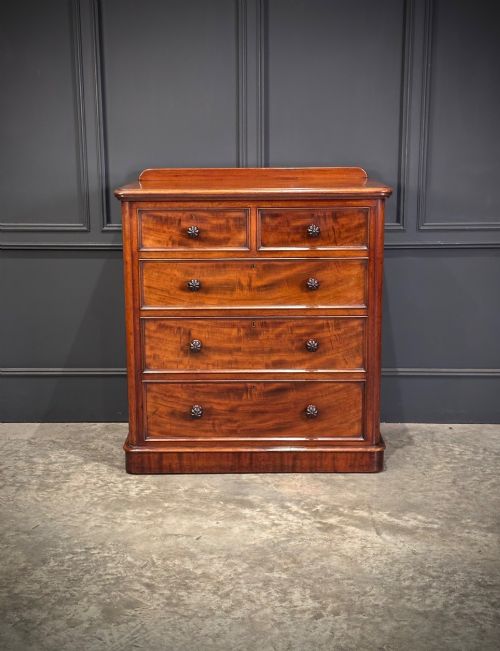
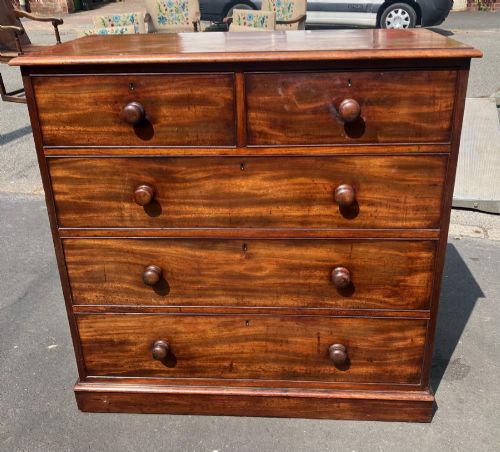
Nineteenth century wooden commode pieces are solid storage chests that bring reliable historical craftsmanship and deep timber tones to a room.
Nineteenth Century Wooden Commode
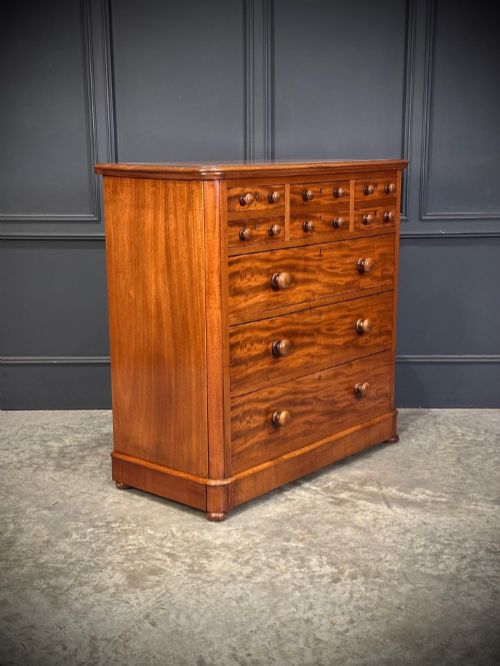
A nineteenth century wooden commode search uncovers practical storage furniture primarily built as chests of drawers, alongside occasional cabinets and bedsteps. The pieces span Georgian, Regency, and Victorian periods, reflecting the shifting tastes of the eighteen hundreds.
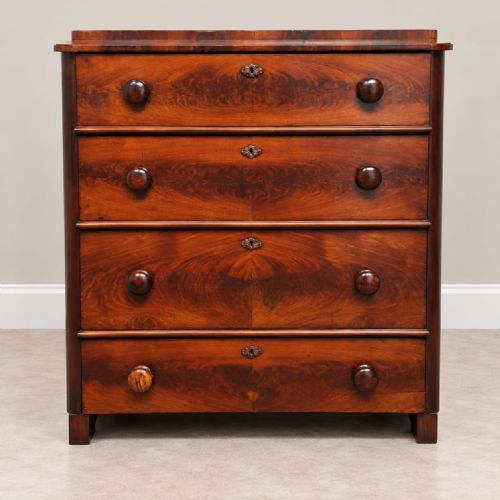
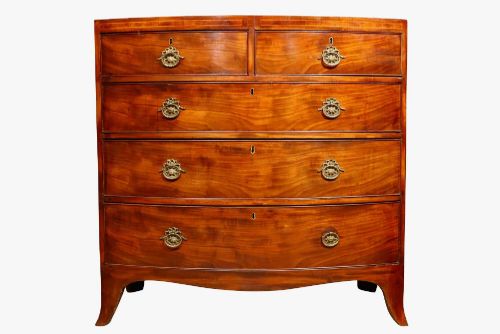
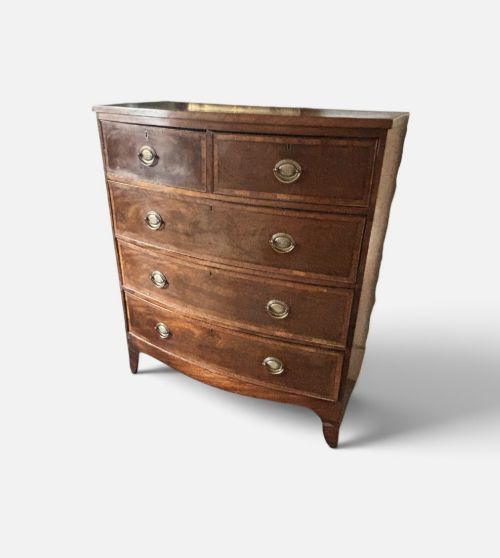
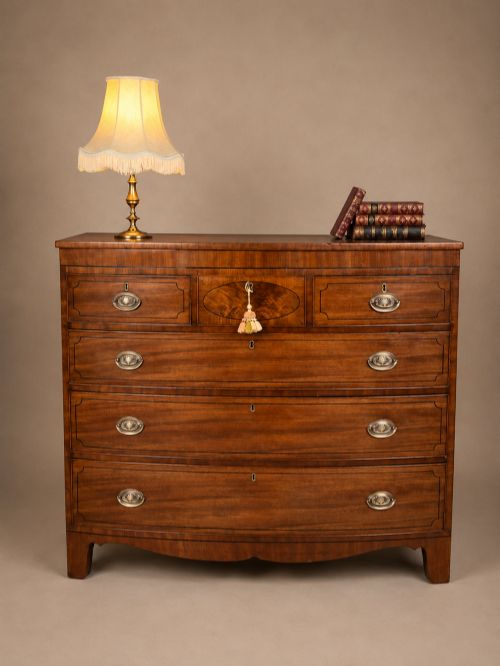
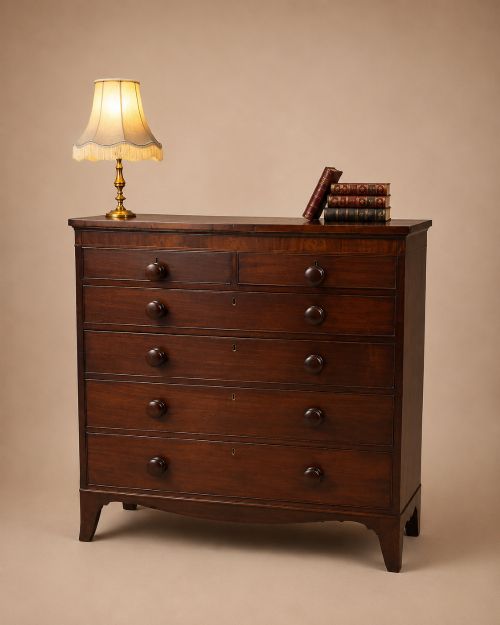
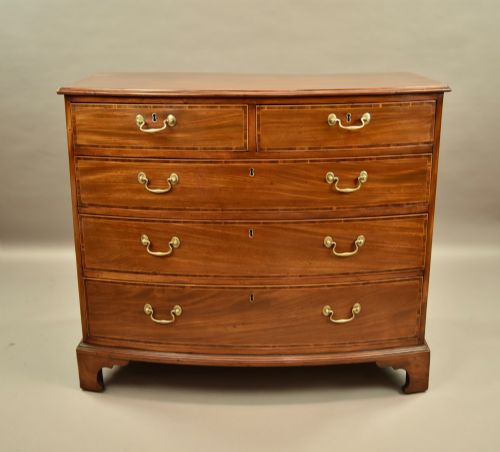
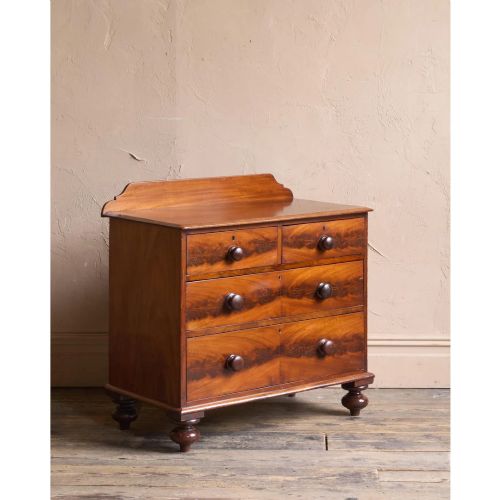
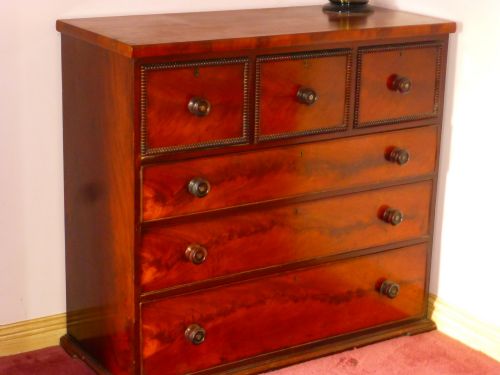
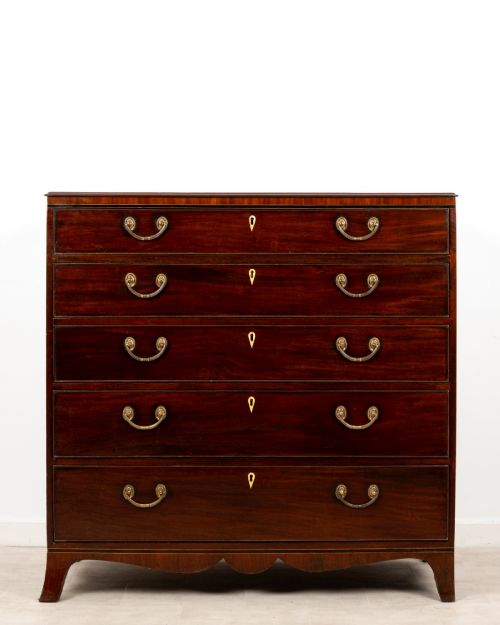
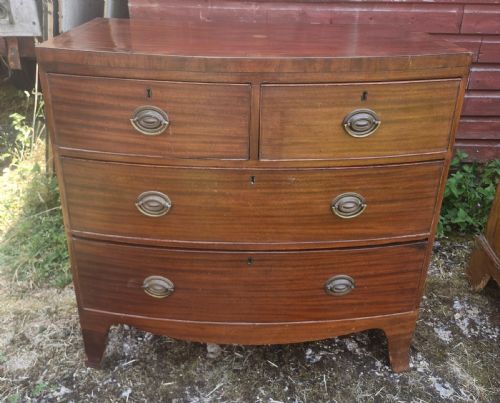
Mahogany dominates the selection, appearing in solid form, flame veneers, and with satinwood crossbanding. Buyers frequently encounter bow front profiles and straight chests standing between four and five heights.
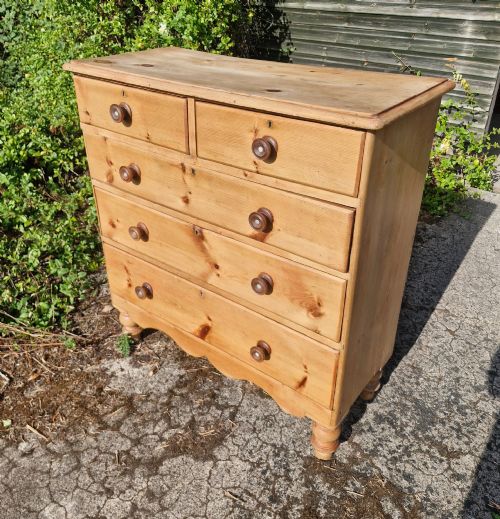
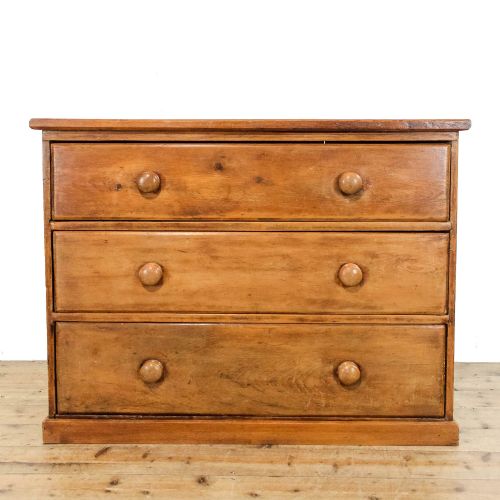
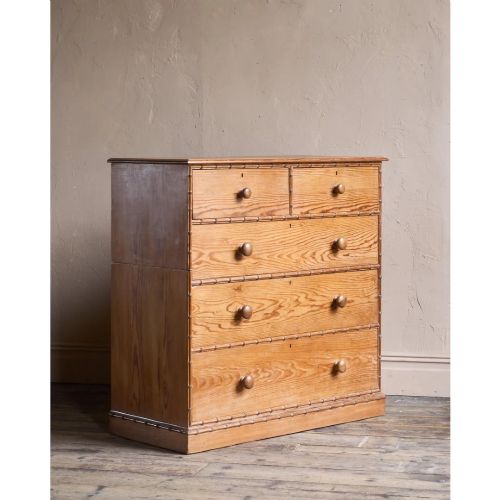
Pine examples represent the more utilitarian domestic output, whilst walnut and oak also appear among the regional variations. These items served daily domestic needs in bedrooms and parlours, retaining their structural purpose today.
Materials and construction methods
Cabinet makers built these carcasses using dense hardwoods like mahogany and oak, often lining the interior drawers with secondary timbers. Flame mahogany veneers were carefully applied to primary display surfaces to create striking grain patterns.
Decorative details included satinwood crossbanding and turned brass drawer pulls. Pine served for simpler country pieces intended for painted finishes or plain domestic use.
Bamboo enthusiasts can occasionally store their belongings inside a faux bamboo creation from the Victorian era.
Distinguishing quality across pieces
The degree of refinement in the timber selection separates standard storage items from superior examples. Flame mahogany with matched grain figures demonstrates a higher workshop standard than plain stock.
Joinery execution, such as finely cut dovetails on the drawer carcasses, dictates the structural longevity of the piece. Subtle details like crossbanded borders and original brass hardware elevate the status of an item within its period.
Howard and Sons·Edwards and Roberts
The Nineteenth Century Wooden Commode Glossary
- Bow front
- A convex curved cabinet or chest front that swells outwards towards the centre. This curved profile requires skilled joinery to shape the timber and drawers accurately.
- Flame mahogany
- A veneer cut from the fork of the mahogany tree where the branch meets the trunk. It creates a distinctive, fiery flame-like pattern across the drawer fronts.
- Crossbanding
- A narrow strip of veneer applied perpendicularly to the grain of the main surface. It creates a neat decorative border around drawer edges or tabletops.
- Satinwood
- A pale, hard timber from tropical trees with a lustrous, light-reflecting grain. It was frequently used for contrasting inlay and stringing on Regency furniture.
- Biedermeyer
- A Central European style spanning the early to mid-nineteenth century characterised by utilitarian comfort and clean lines. Pieces in this taste focus on the natural beauty of plain wood veneers without excessive ornamentation.
Nineteenth Century Wooden Commode: Frequently Asked Questions
What is a nineteenth century wooden commode?
A nineteenth century wooden commode generally refers to a chest of drawers or storage cabinet built during the eighteen hundreds. These pieces served domestic storage needs in bedrooms and living spaces.
Craftsmen primarily utilised mahogany, pine, and satinwood to construct these items. They range from simple country pine chests to grand flame mahogany bow front designs.
How do I date a wooden chest?
Dating involves examining the timber types, construction methods, and stylistic cues present in the piece. Regency items often feature bow fronts and satinwood details, whilst Victorian examples frequently show heavier mahogany proportions.
Internal drawer construction and timber choice also provide clues to the era of manufacture. Makers shifted from Georgian proportions through to later Victorian industrial output.
Where should I place a commode?
These storage chests suit bedrooms, hallways, and living rooms where surface space and drawer storage are useful. Their wooden tones integrate easily with both traditional and contemporary interiors.
Keep them away from direct heat sources and strong sunlight to protect the wood and veneer finishes. Adequate clearance ensures the drawers open smoothly without obstruction.
Are these pieces made of solid wood?
Many items combine solid timber frames with high-quality wood veneers applied to the primary surfaces. Flame mahogany veneers were standard on finer pieces to create decorative grain patterns.
Secondary timbers like oak and pine frequently form the internal drawer linings and structural backs. This mixed construction method was standard workshop practice during the period.