
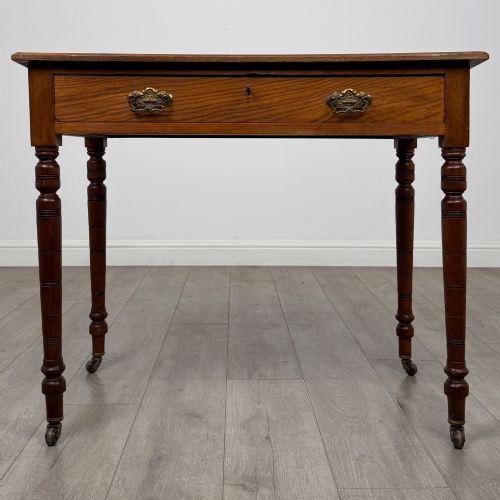
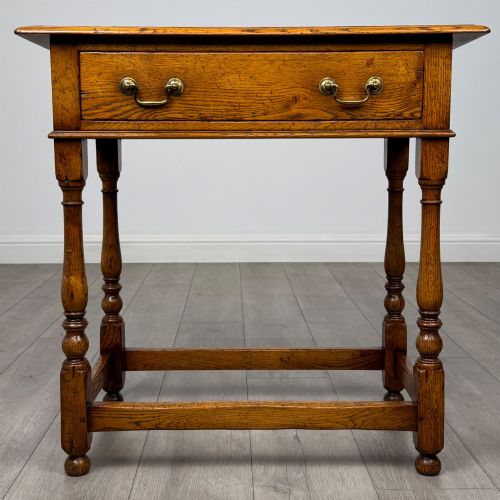
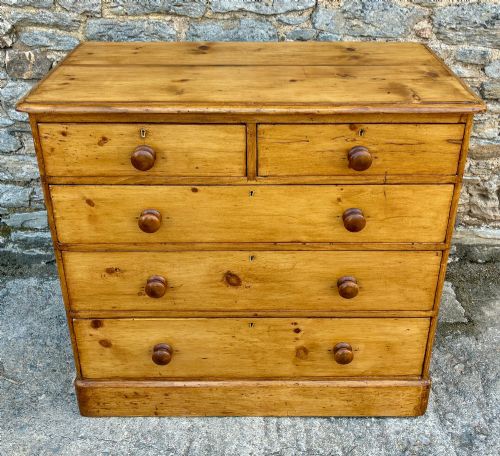
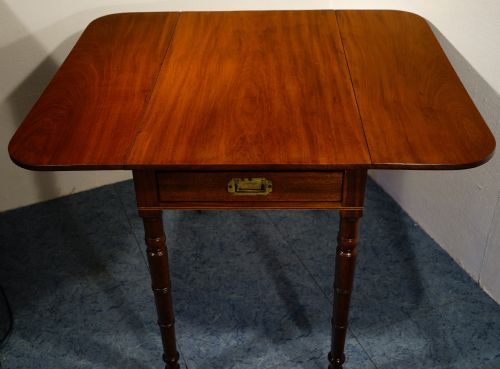



Antique Drawers Turned Handles
Antique drawers turned handles are solid wood case pieces and tables furnished with simple, rounded grips.
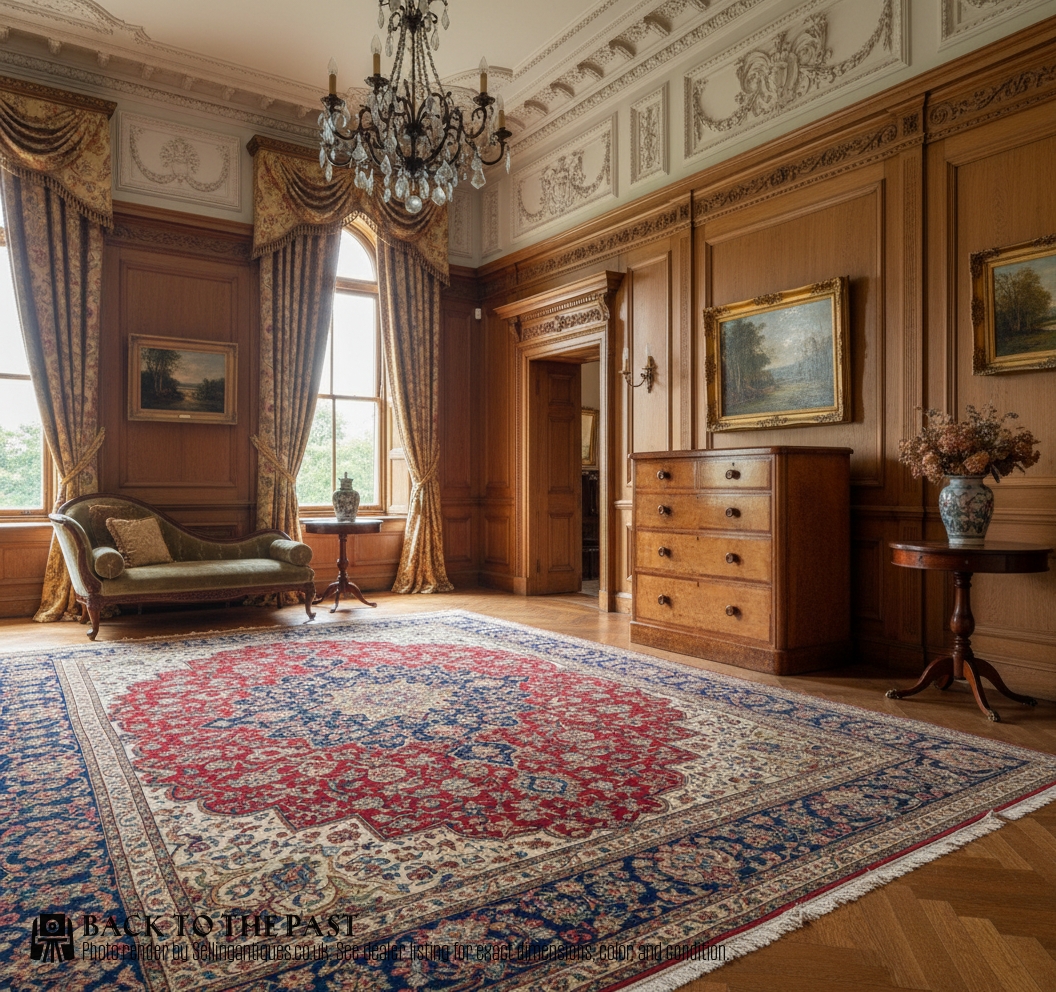
Antique Drawers Turned Handles
When you search antique drawers turned handles, you encounter a selection of chests, side tables, and desks spanning several centuries of cabinet making. These items range from sturdy country pine pieces to formal mahogany and satinwood forms.
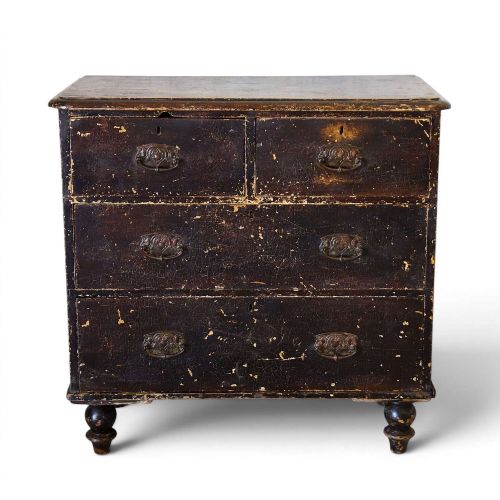
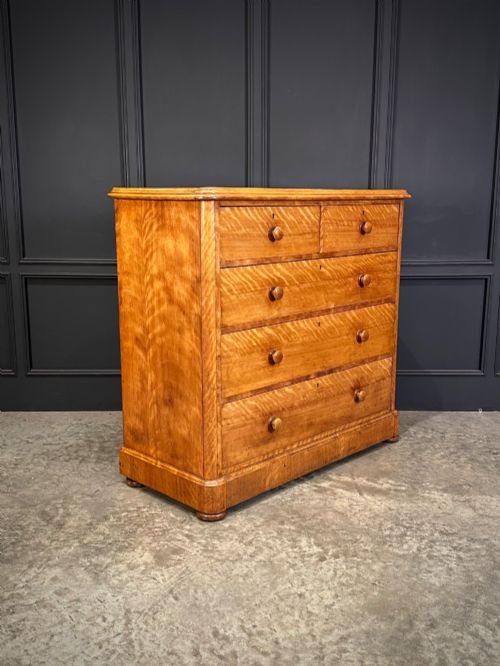
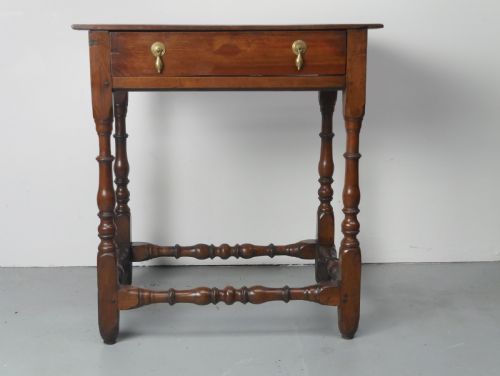
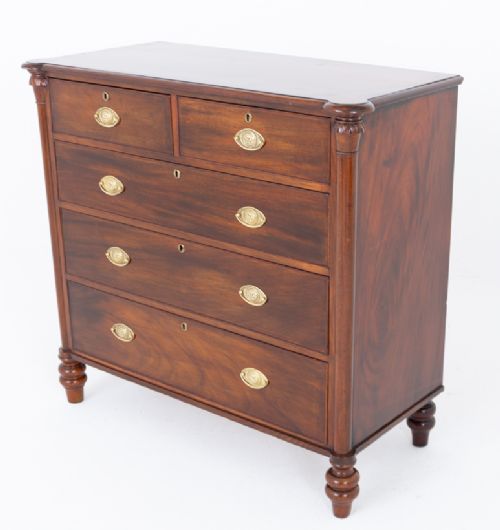
The objects on this page belong predominantly to the Victorian and Edwardian eras, alongside earlier Georgian and seventeenth-century examples. Chests of drawers and side tables form the core of the selection, often displaying the characteristic turned wooden knobs that define the group.
How they were made
Cabinet makers utilised a variety of native and imported timbers, selecting oak, mahogany, pine, and fruitwood for their structural integrity and grain. Surfaces were finished simply or treated with decorative paint techniques such as brown scumble.
Handles were turned on a lathe from matching or contrasting timbers to the drawer fronts, ensuring durability and a tactile grip. Construction methods relied on traditional joinery, including dovetailing for drawer boxes and mortise and tenon frames for tables.
What varies in quality
The choice of primary wood dictates the tier of the piece, moving from utilitarian pine to figured mahogany, satinwood, and burr walnut. Finer examples display meticulous attention to timber selection, grain alignment, and secondary wood matching.
Proportion and the crispness of the turning on the drawer handles distinguish finer workshops from provincial joinery. Original finishes and intact structural elements elevate the standing of a piece.
The Antique Drawers Turned Handles Glossary
- Turned handle
- A grip shaped on a lathe from solid wood, screwed or pegged directly into the drawer front. These rounded pulls replace earlier brass drop handles on many nineteenth-century pieces.
- Scumble paint
- A translucent glaze applied over a base coat and manipulated with combs or rags to imitate more expensive wood grains. This decorative technique appears frequently on nineteenth-century country furniture.
- Dovetail
- A joint formed by interlocking wedge-shaped fingers, securing drawer sides to drawer fronts and backs. Hand-cut dovetails indicate traditional construction methods prior to industrial manufacturing.
- Secondary wood
- The internal timber used for drawer linings, backboards, and carcase bottoms, often cheaper or locally sourced. Identifying these timbers helps determine the geographical origin of a table or chest.
Antique Drawers Turned Handles: Frequently Asked Questions
Are turned handles original to these pieces?
Turned wooden handles are frequently original to nineteenth-century chests and tables, where they became standard practice. Because handles endure heavy daily use, matching replacements are sometimes fitted during restoration.
Examination of the timber grain, wear patterns around the screw holes, and the interior patination helps confirm whether a handle has remained with the drawer since its manufacture.
How do I clean an old pine or mahogany chest?
Maintenance requires only a soft cloth and occasional application of appropriate beeswax to nourish the dry timber. Avoid modern liquid polishes containing silicones, which can degrade historic finishes over time.
Keeping the piece away from direct heat sources and sudden humidity changes prevents the wood from warping and keeps the drawers sliding smoothly.
What is a side table with turned handles used for?
Side tables with turned handles served versatile domestic functions as lamp stands, writing surfaces, or bedside storage. Their compact proportions allow them to fit easily into hallways and living spaces.
The inclusion of small drawers provides convenient storage for correspondence, keys, or small household items.
How can I tell a Victorian chest from a Georgian one?
Georgian pieces often feature fine proportions, bracket feet, and distinct drawer linings of oak or deal, occasionally utilising brass pulls. Victorian equivalents frequently incorporate turned wooden knob handles and heavier mahogany or pine carcases.
Secondary wood analysis and construction details provide further clues to dating a chest accurately.