


Nineteenth Century Portrait Miniature
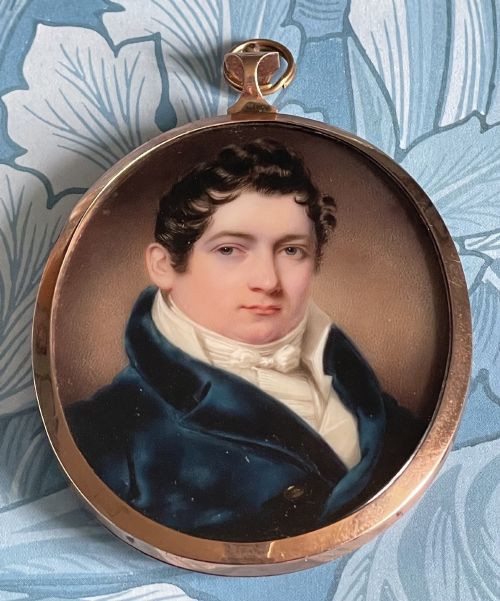
A nineteenth century portrait miniature is a small, hand-painted likeness capturing personal identity with remarkable intimacy across Georgian, Regency, and Victorian periods.
Nineteenth Century Portrait Miniature
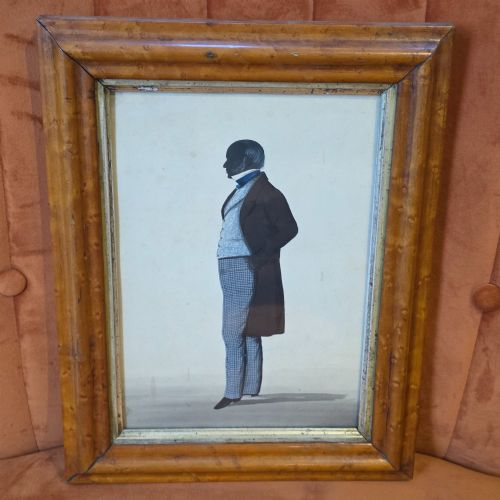
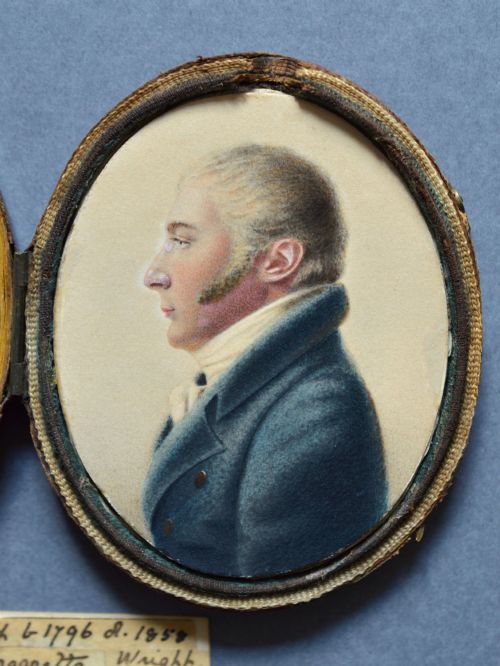
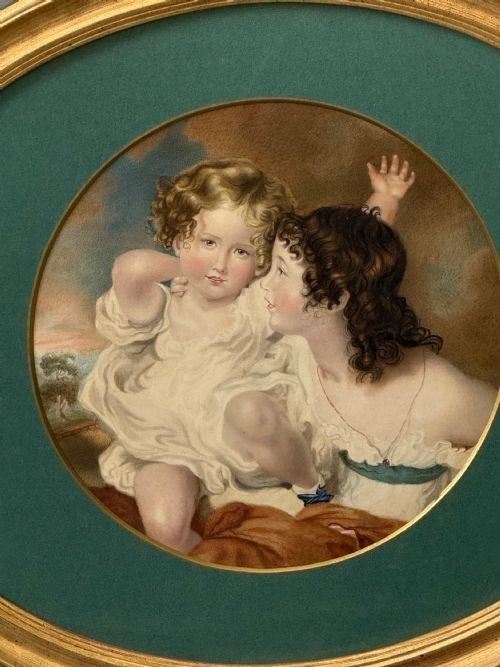
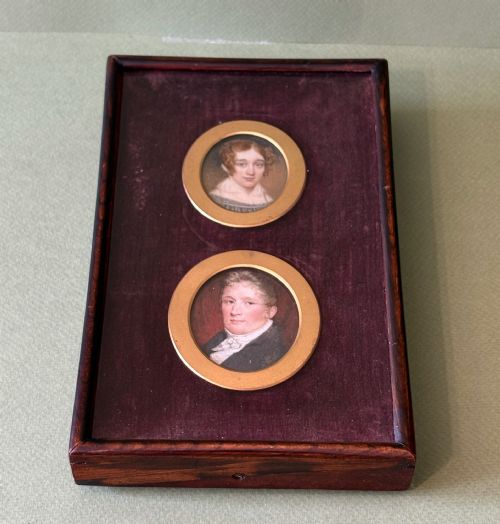
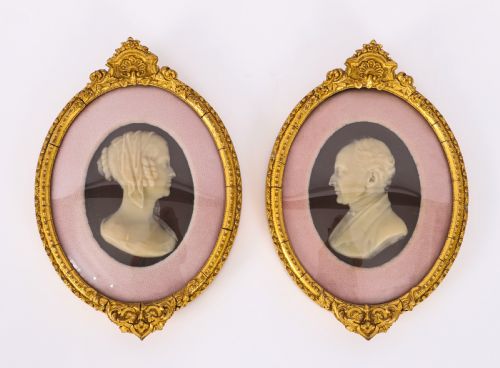
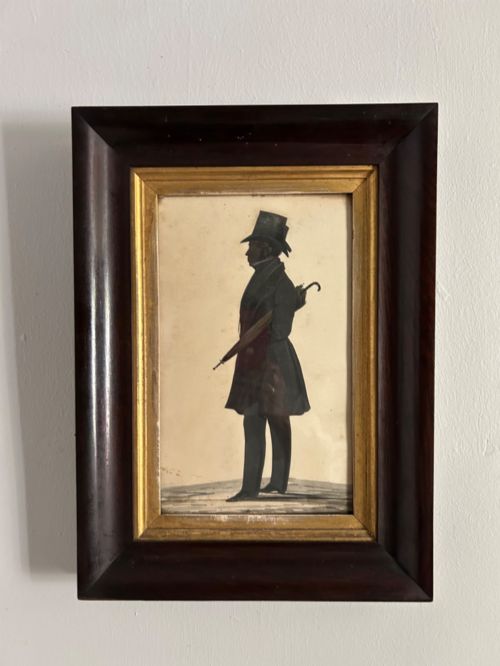
A nineteenth century portrait miniature encompasses intimate painted likenesses, delicate silhouettes, and profile reliefs created during the Georgian, Regency, and Victorian eras. These works capture specific individuals, from children and elegant gentlemen to military figures and nobility, preserved within frames, cases, or set into gold snuff boxes.
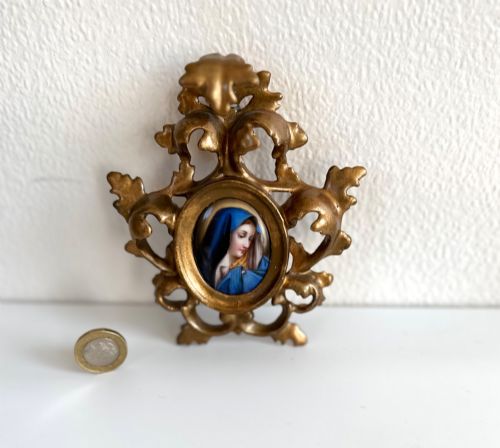
The pieces on this page span watercolour paintings on ivory and card, enamel plaques, cut-paper silhouettes, and wax reliefs, reflecting diverse domestic and international styles including French School and Mughal works. Most examples date from the early decades of the century through to the 1880s, offering a direct window into historical personal portraiture.
Materials and Construction Techniques
Artists painted these small works primarily in watercolour on supports such as thin ivory sheets, paper, and card, occasionally applying ink for fine linear detail. Enamel on metal provided a glossy, permanent surface for detailed likenesses, while other artisans shaped delicate wax reliefs or hand-cut paper silhouettes.
Framing and mounting involved brass, gilt metal, gilt wood, and glass to protect the delicate paint layers, with select pieces set into precious metals like gold alongside pearls. Ormolu mounts and specialised table mirrors also housed these miniature artworks.
Distinctions in Quality and Execution
Quality rests heavily on the precision of the brushwork and the accuracy of facial expression, where skilled artists captured genuine character and lifelike depth within a tiny scale. Finer examples display meticulous attention to costume detail, hair texture, and natural skin tones.
The choice of housing elevates a piece, with original gold settings, pearl mounts, or signed artist mountings indicating higher status. Superior works maintain the integrity of the delicate painted surface, paper, or wax relief without fading or heavy restoration.
Thomas John Horsley·John C D Engleheart·Henry Bone ARA·Jean-Baptiste Isabey·F. Bienvue
The Nineteenth Century Portrait Miniature Glossary
- Silhouette
- A solid black profile likeness, usually cut from paper or painted on card, popular for capturing subjects before photography.
- Enamel miniature
- A portrait fused onto a metal base through high-temperature firing, creating a durable glossy finish that resists fading.
- Regency
- The British stylistic period spanning the early nineteenth century, noted for particular dress styles and refined portraiture.
- Ivory support
- A thin slice of elephant ivory used as a painting surface because its translucent quality lends a luminous glow to skin tones.
- Wax relief
- A three-dimensional profile portrait modelled in pigmented wax, often mounted against a contrasting dark background within a frame.
Nineteenth Century Portrait Miniature: Frequently Asked Questions
What materials were used for these portraits?
Artists painted primarily with watercolour on thin slices of ivory, paper, or card, and applied enamel onto metal bases for durable coloured finishes.
Additional materials include cut paper for silhouettes and modelled wax for relief portraits, usually housed behind glass within brass, gilt metal, or wooden frames.
How do I date a portrait miniature?
Dating relies on costume details, hair styles, and the specific framing materials typical of the Georgian, Regency, and Victorian periods.
Signatures, artist inscriptions on the reverse, or known operational dates of the maker also help narrow the timeline.
Were these portraits meant to be worn?
Many portrait miniatures functioned as personal tokens designed to be carried in pockets, set into travel cases, or worn as jewellery.
Examples mounted in gold boxes or with locket backs often held hair from the sitter behind the portrait as a sentimental keepsake.
How should I display and care for them?
These delicate works require placement away from direct sunlight and high humidity to prevent the fading of watercolours and the warping of ivory.
Stable indoor temperatures protect the fragile glass covers, paper supports, and original metal or wooden frames from deterioration.