



Nineteenth Century Porcelain Dish
A nineteenth century porcelain dish brings the painted narratives of Georgian, Victorian, and Meiji workshops straight to your table.
Nineteenth Century Porcelain Dish
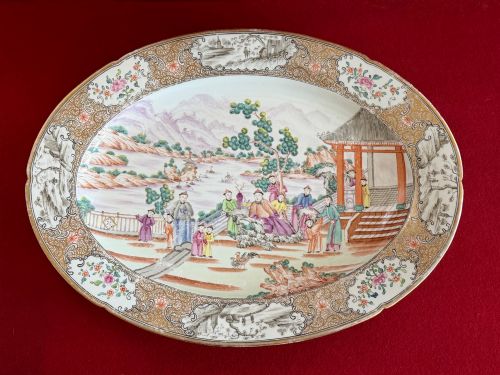
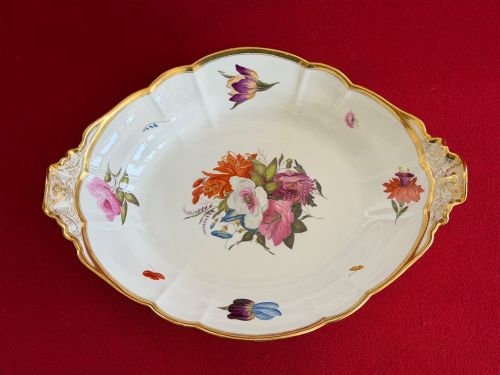
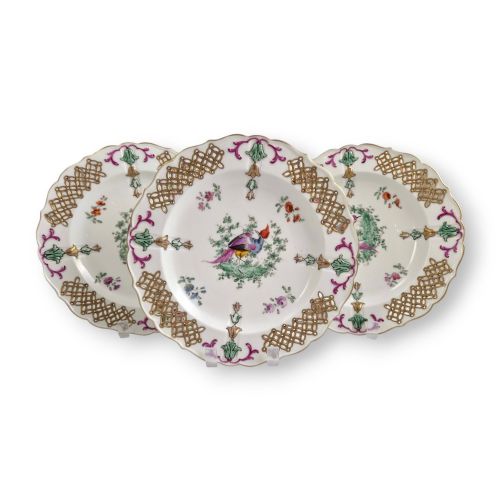
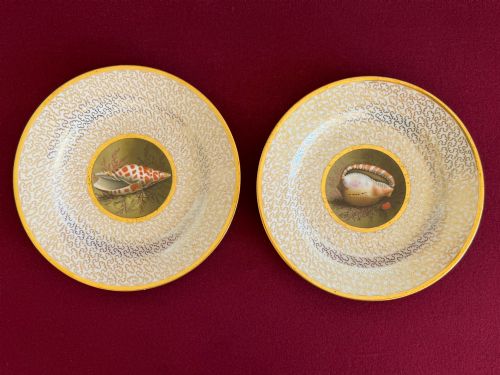
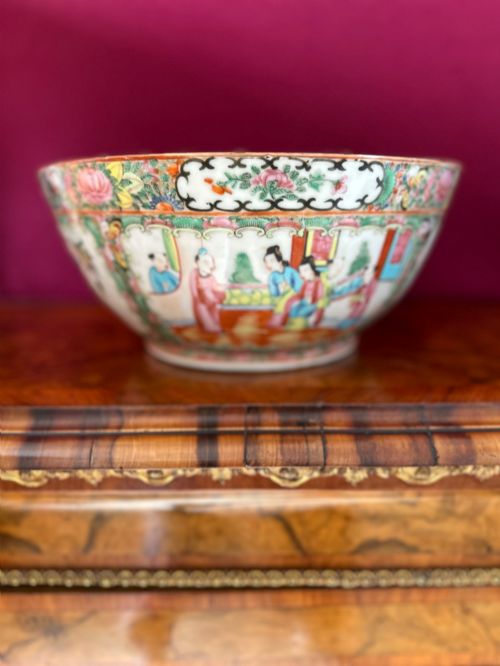
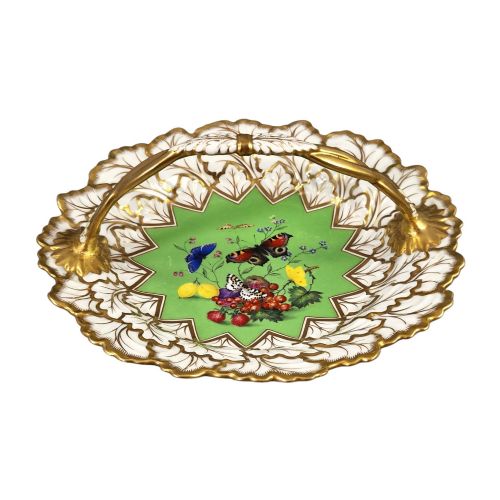
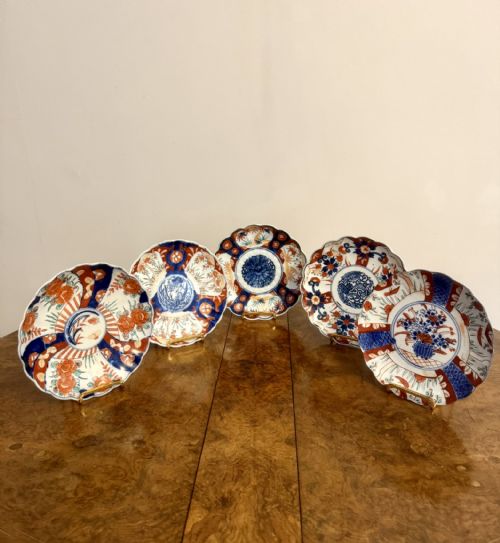
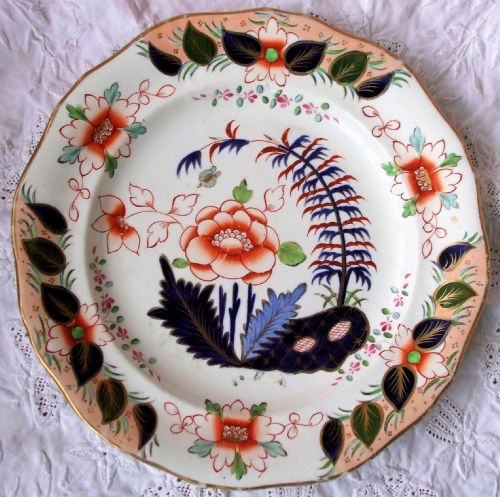
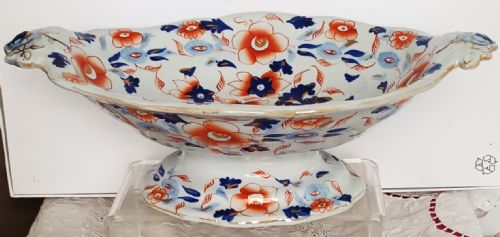
A nineteenth century porcelain dish encompasses a wide variety of domestic and decorative tablewares, ranging from cabinet plates and comports to sauce tureens and large chargers. You will encounter English factory pieces alongside Chinese Canton imports and Japanese Imari wares made during the Meiji period.
The forms span simple circular dessert plates to scalloped rim trays, footed comports, and oval serving dishes. Many items originate from notable European potteries in Worcester, Derby, and Paris, as well as Asian kilns.
These vessels functioned both for formal dining and display in cabinets, reflecting the aesthetic tastes of Georgian, Regency, and Victorian interiors.
Materials and Manufacture
Makers utilised fine porcelain, ironstone, and pearlware pastes, shaped by hand or moulded before kiln firing at high temperatures. The resulting ceramic bodies provided a stable canvas for subsequent decoration.
Decoration relied on hand-painted enamel pigments, often enhanced with gold leaf and gilding to accentuate pictorial scenes or repeating geometric patterns. Artisans also applied transfer printing techniques, sometimes combining printed outlines with coloured washes.
Nineteenth Century Porcelain Dish Retail Price Guide 2026
Typical asking prices for nineteenth century porcelain dish among the pieces listed under this phrase on Sellingantiques today, from the lower quarter to the upper quarter. They describe what is for sale here now, not the wider market.
A porcelain cheese dome keeps the Stilton safely contained while masquerading as serious nineteenth-century architecture.
Judging Quality and Execution
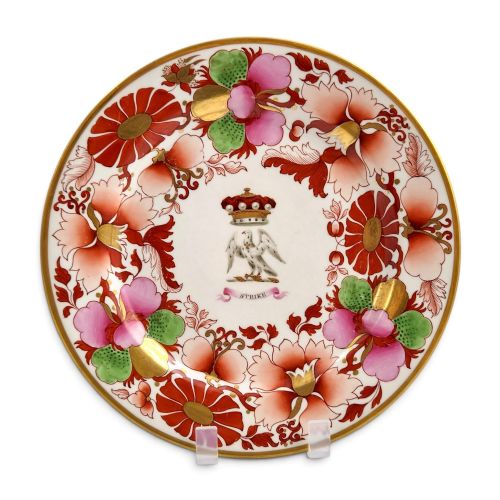
The distinction between standard production and exceptional work lies in the precision of the hand-painting and the clarity of the enamel colours. Pieces featuring detailed figural scenes or armorial crests executed by named artists command greater attention than mass-produced transfer wares.
The crispness of the porcelain paste, the evenness of the glaze without excessive pooling, and the richness of the gilding all indicate superior craftsmanship from leading workshops.
Flight, Barr and Barr·John Davenport of Longport·James Rouse Jnr·Pucher Deroche·Coalport·Chamberlain's Worcester·Kinkozan Kyoto·C.J. Mason·Kornilov Brothers·Thomas Moorcroft·E.J.D Bodley·Thomas Dickson·Old Derby·Minton
The Nineteenth Century Porcelain Dish Glossary
- Imari
- A style of Japanese porcelain decorated in underglaze blue, iron red, gold, and supplementary colours, widely imitated by European factories.
- Comport
- A decorative dish or bowl raised on a high foot or pedestal, typically used for serving fruit or sweets at formal meals.
- Ironstone
- A heavy, durable type of earthenware patented in the nineteenth century that mimics the strength and appearance of porcelain.
- Cabinet plate
- A decorative plate intended for display in a cabinet or on a wall rather than for practical dining use.
- Armorial
- Bearing a coat of arms or family crest, usually commissioned by landed families for elite dining services.
- Enamel
- Opaque glass-like coloured compositions fused to the surface of porcelain during secondary low-temperature firings.
Nineteenth Century Porcelain Dish: Frequently Asked Questions
How do I display a nineteenth century porcelain dish safely?
Wall-mounted plate hangers with rubber-coated prongs distribute weight evenly without biting into the ceramic rim. Alternatively, seated stands with a wide base protect footed comports and chargers from tipping.
Keep display locations away from direct sunlight to prevent delicate enamel colours and gold leaf from fading over time.
Can I use these antique dishes for serving food?
While these pieces were originally created for dining or dessert service, age introduces microscopic crazing in the glaze. Modern dishwashers and harsh detergents will damage fragile enamels and nineteenth-century gilding.
Hand washing in lukewarm water with mild soap is necessary if you choose to use them for dining on special occasions.
What is the difference between porcelain and ironstone?
Porcelain is a vitrified ceramic made from kaolin and petuntse, firing into a hard, translucent body that rings when struck gently. Ironstone is a dense, opaque earthenware developed to resist chipping during daily use.
Porcelain holds fine painted detail more crisply, whereas ironstone provides structural weight for large domestic serving vessels.
How can I tell English factory work from Japanese export pieces?
English factories like Worcester and Coalport relied on European neo-classical motifs, armorial crests, and botanical studies painted in soft enamel palettes. Japanese pieces from the Meiji period typically feature dense Imari palettes, Satsuma crackle glazes, or asymmetrical floral arrangements.
Examining the foot rim and paste characteristics on the underside usually reveals the origin of the clay.