

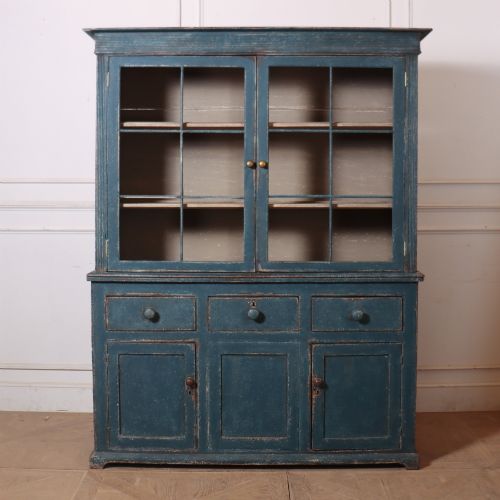
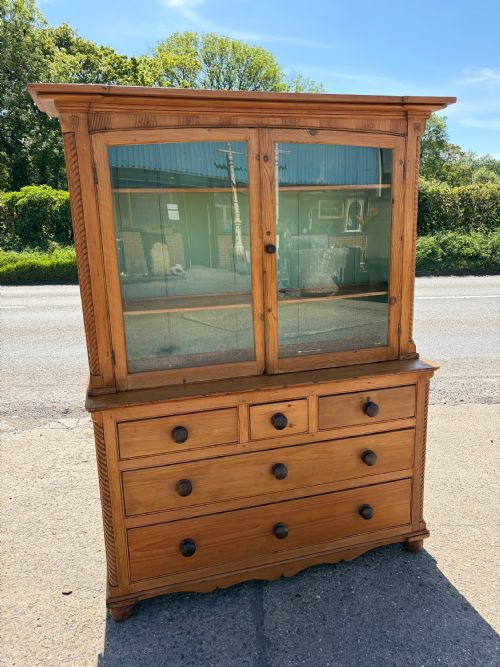
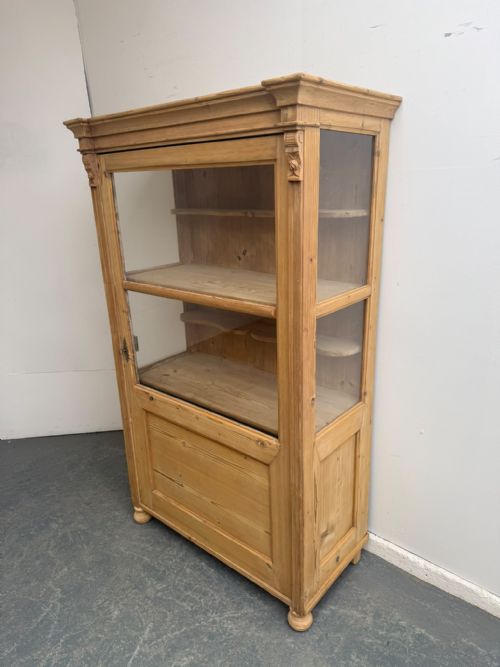


Nineteenth Century Pine Dresser
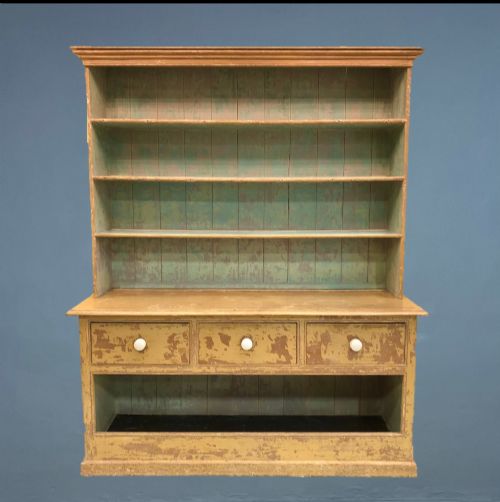
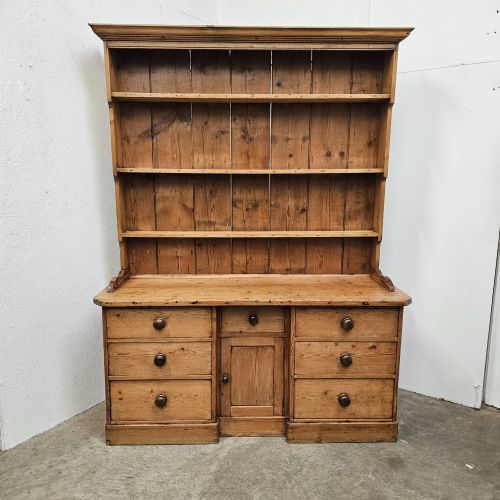
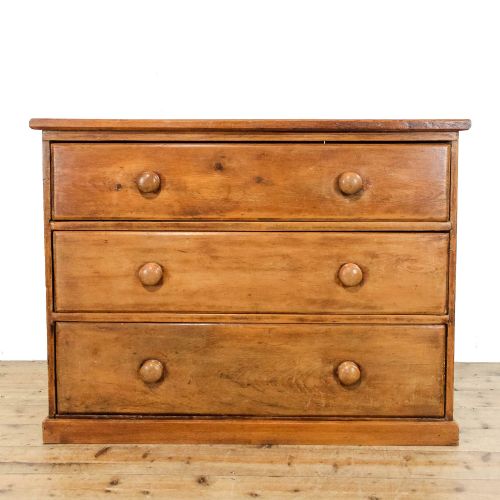
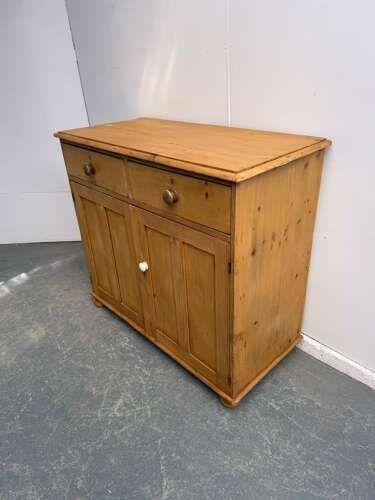
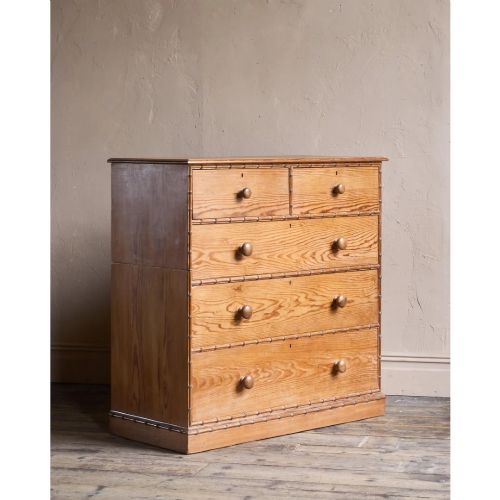
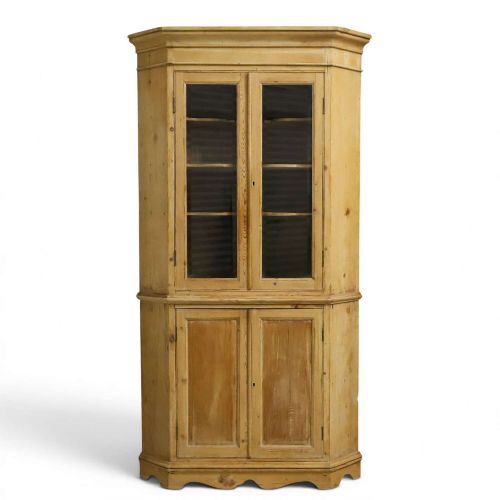
These nineteenth century pine dresser pieces are solid utilitarian storage items built for everyday domestic service.
Nineteenth Century Pine Dresser
A nineteenth century pine dresser brings practical storage to a room through regional forms like Cornish, Welsh, and West Country examples. These pieces often combine open or glazed upper shelving with lower cupboards and drawer bases.
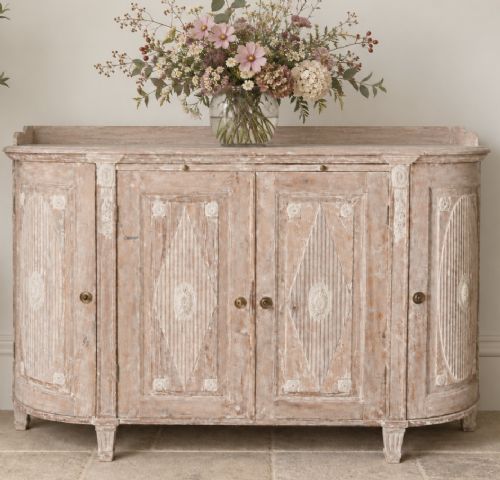
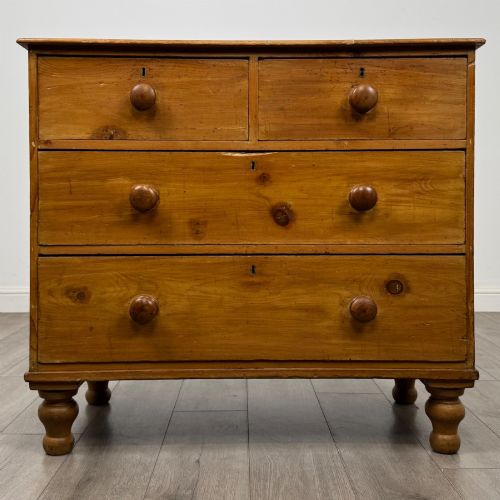
The selection frequently includes chests of drawers, corner cupboards, and sideboards alongside traditional kitchen dressers. English and North European origins dominate, spanning periods from early Victorian to the end of the century.
How they were made
Pine forms the primary structural material, often finished with wax, plain surfaces, or original paint. Iron, brass, and glass provide hardware and glazing for doors and display cabinets.
Makers utilised timber boards for robust carcass construction, joining elements to withstand heavy kitchen and pantry use. Surface treatments range from stripped wood to historical painted finishes.
Nineteenth Century Pine Dresser Retail Price Guide 2026
Typical asking prices for nineteenth century pine dresser among the pieces listed under this phrase on Sellingantiques today, from the lower quarter to the upper quarter. They describe what is for sale here now, not the wider market.
Listings feature items from the 19th Century and Victorian periods, utilising pine, paint, glass, and brass.
What varies in quality
The preservation of original paint surfaces or the depth of a traditional waxed finish distinguishes examples across the range. Structural integrity of drawers, cornices, and feet also determines the standard of a piece.
Regional detailing and proportions influence the character of each item, separating standard utility furniture from more refined vernacular cabinet work.
Howard and Sons
The Nineteenth Century Pine Dresser Glossary
- Dresser base
- The lower section of a two-part dresser comprising drawers and cupboards without the upper shelving. This form functions well as a sideboard.
- Housekeeper cupboard
- A large storage cabinet designed for linen and provisions in domestic service. These tall units provide substantial enclosed shelving.
- Gallery
- A low raised wooden upstand mounted along the top edge of a chest of drawers. This feature prevents items from sliding off the surface.
- Cornish dresser
- A regional kitchen dresser variant originating from the south-west of England. These pieces typically feature specific proportions and local timber selection.
Nineteenth Century Pine Dresser: Frequently Asked Questions
How do I date a pine dresser?
Dating relies on construction methods, timber preparation marks, and hardware types used on the drawers and doors. Regional styles and documented periods provide further context for the age of the piece.
Examining the backboards, nail types, and joints helps separate early Victorian examples from later nineteenth century pieces.
Are these dressers suitable for modern kitchens?
These practical storage items fit well in contemporary spaces by offering substantial drawer and cupboard capacity. Their neutral pine tones and painted finishes blend easily with modern interiors.
Many buyers use kitchen dressers and sideboards for crockery, glassware, and everyday dining utensils.
How should I care for a nineteenth century pine surface?
Maintenance involves applying gentle beeswax to nourished waxed timber surfaces to preserve the finish. Painted pieces require dry dusting and protection from excessive moisture.
Avoiding direct sunlight and heat sources prevents the pine from drying out or splitting over time.