


Nineteenth Century Ornament
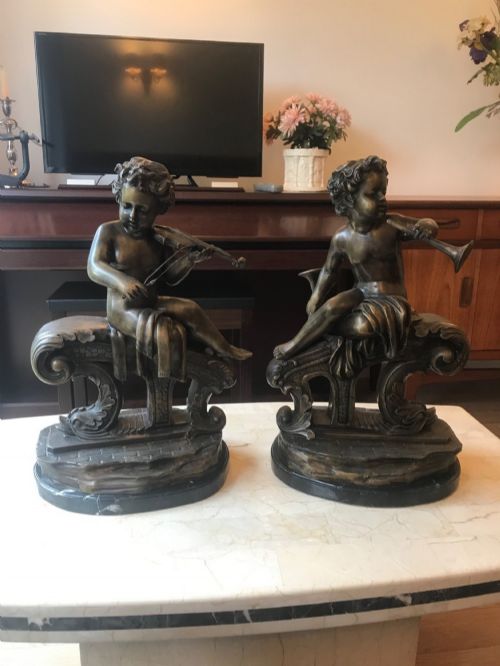
Nineteenth century ornament brings sculptural presence and decorative charm into a room through bronze, porcelain, and earthenware.
Nineteenth Century Ornament
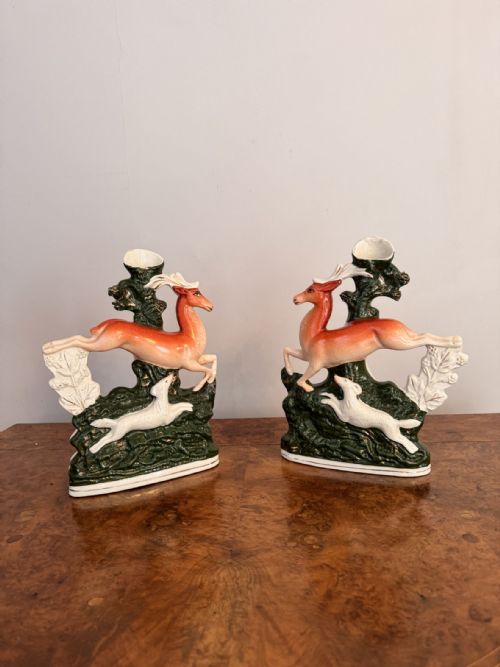
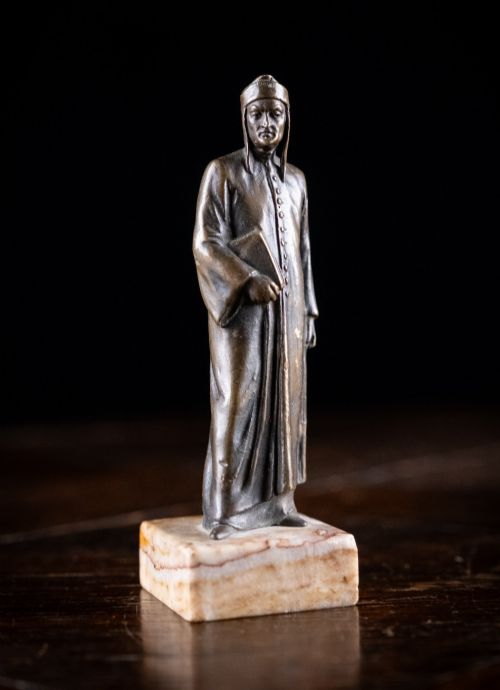
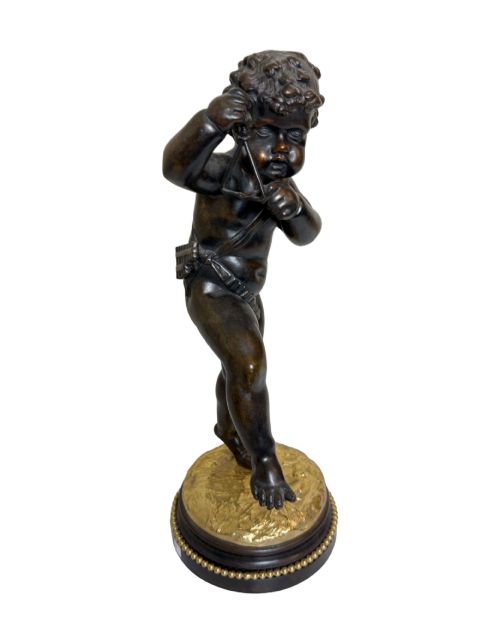
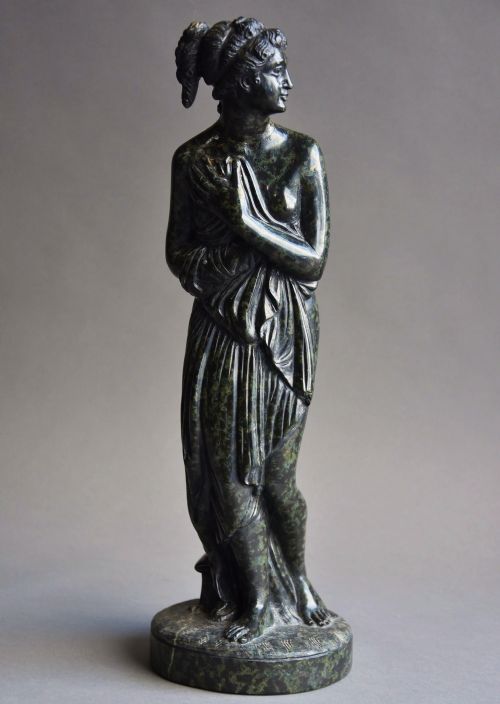
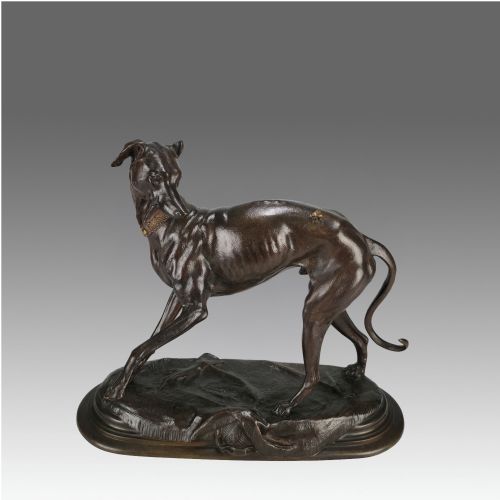
Nineteenth century ornament encompasses a diverse range of decorative objects, sculptures, and figurines produced across Europe and Asia during the 1800s. A buyer exploring this selection encounters various sculptural forms, from Grand Tour bronzes to Staffordshire pottery figures and Japanese Meiji period bronze studies.
The objects frequently draw on Neoclassical, Rococo, and Egyptian Revival styles, capturing the historicism of the period. Animals, mythological figures, and literary subjects dominate the domestic decorative arts of this era.
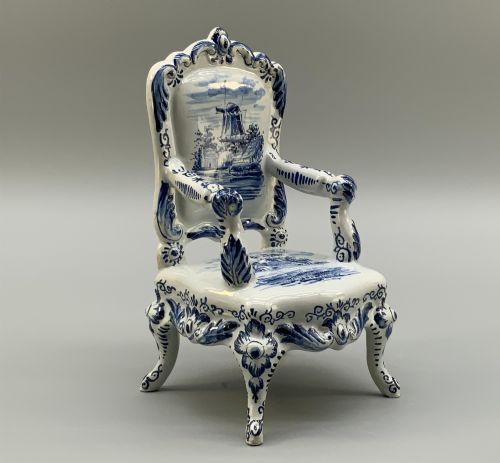
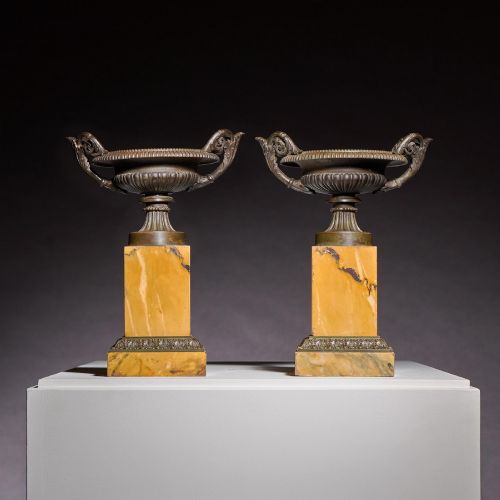
Figurines, spill vases, tazzas, and desk accessories represent the primary domestic forms available. These pieces reflect both industrial advances and traditional craftsmanship of the Victorian and continental workshops.
Materials and production methods
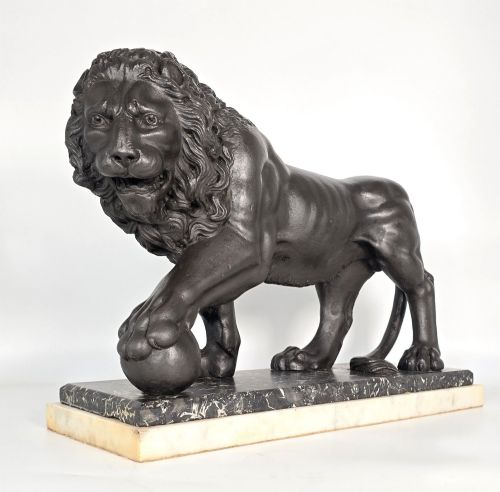
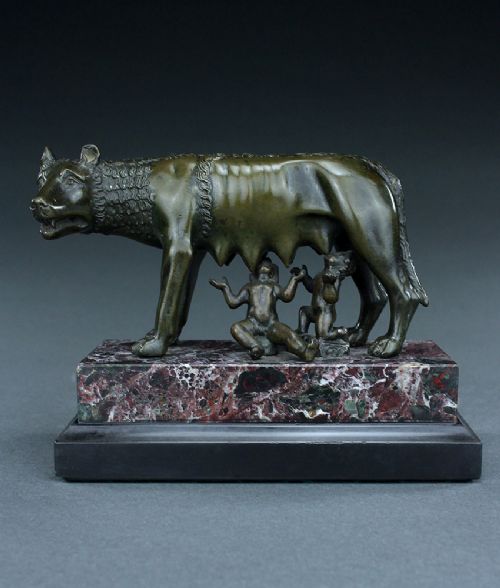
Foundries utilised lost-wax and sand casting techniques to produce detailed bronze and cast iron sculptures, often finishing them with patination, cold-painted enamel, or gilt. Marble plinths frequently accompanied these metal works to provide stable architectural bases.
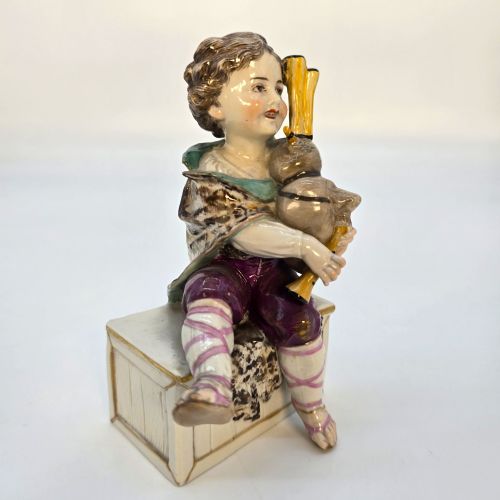
Potteries and porcelain factories shaped earthenware, bone china, and porcelain by hand or in moulds before applying glazes and hand-painted details. Wood carvers and ironfounders similarly shaped teak and cast iron into elaborate decorative furnishings and sculptural studies.
Listings feature numerous animal studies in bronze, alongside European porcelain figures and cast iron desk weights.
Factors of quality in nineteenth century pieces
The precision of the casting and the crispness of the chased detail distinguish finer bronzes and cast iron pieces from standard production work. Superior patination and careful hand-painting on porcelain and cold-painted bronzes indicate skilled workshop execution.
Signature marks from established founders or modellers provide tangible evidence of superior provenance. The quality of associated materials, such as genuine Siena marble plinths rather than slate substitutes, elevates a piece.
Volkstedt Rudolstadt Factory·Alfred Barye·Val d’Osne foundry·Royal Worcester·Franz Bergman
The Nineteenth Century Ornament Glossary
- Grand Tour
- A traditional trip of Europe undertaken by upper-class Europeans to accumulate art and antiquities. Pieces from this tradition emulate classical sculpture and architecture.
- Spill vase
- A hollow ceramic or wooden vessel designed to hold taper matches for lighting candles and pipes. These often take the form of animals or figural groups.
- Cold-painted bronze
- A method of painting bronze sculptures with oil-based paints without firing. This technique was widely practiced by Viennese foundries.
- Campana urn
- A bell-shaped garden or table urn modelled on classical antiquity. They appeared frequently in cast iron and spelter during the nineteenth century.
- Meiji period
- The era of Japanese history from 1868 to 1912 characterised by the modernization of arts and metalwork. Japanese bronzes from this time display remarkable realism in animal studies.
Nineteenth Century Ornament: Frequently Asked Questions
What are Grand Tour bronzes?
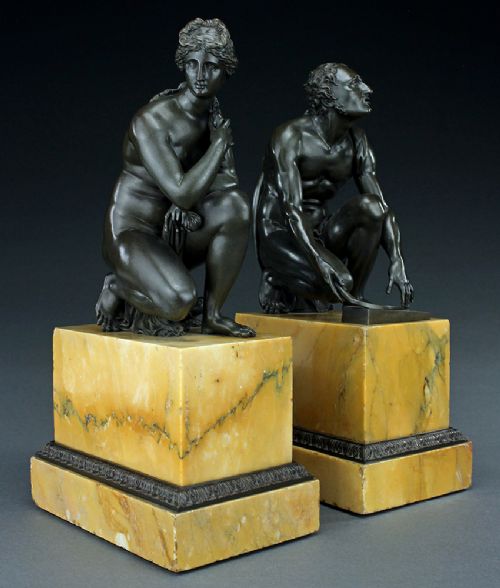
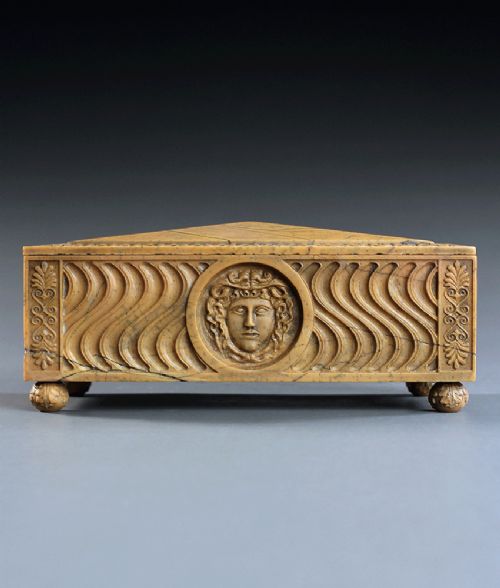
Grand Tour bronzes are small-scale reproductions of classical statues, architectural ruins, and mythological subjects collected by travellers in Italy during the nineteenth century. They served as scholarly souvenirs and sophisticated parlour decorations.
Foundries in Rome, Florence, and Paris cast these items in patinated bronze, frequently mounting them on marble plinths to enhance their sculptural dignity.
How were Staffordshire figures displayed?
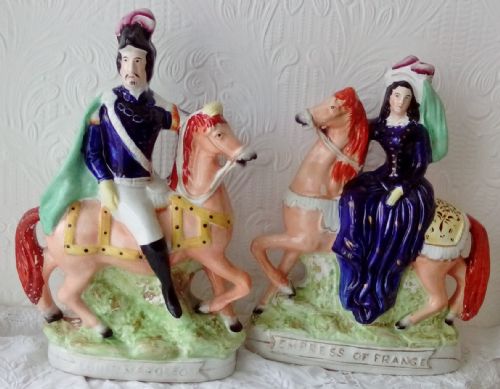
Staffordshire earthenware figures were manufactured as affordable mantelpiece ornaments for middle-class Victorian homes. Makers often depicted royalty, theatrical scenes, and domestic animals.
Owners typically arranged pairs of these brightly glazed figures symmetrically on fireplace mantels and sideboard shelves across British households.
What is cold-painted bronze?
Cold-painted bronze refers to metal sculptures coated in non-fired oil paint rather than traditional heat-applied enamels. Viennese workshops mastered this technique to produce vibrant figures of animals and human subjects.
Because the paint sits on the surface without kiln firing, surviving pieces often show characteristic wear that collectors use to assess authenticity.
How do I care for nineteenth century metalwork?
Nineteenth century bronzes and cast iron require minimal intervention, needing only gentle dusting with a soft, dry brush. Avoid applying commercial polishes or cleaning agents that can strip original patination.
Keep these objects away from direct sunlight and damp environments to protect patinas, cold-painted surfaces, and underlying marble bases.