




Gothic Revival Metalwork
Gothic Revival metalwork brings the solemn weight and pointed majesty of medieval architecture straight into domestic and ecclesiastical spaces.
Gothic Revival Metalwork
When you search for gothic revival metalwork, you are looking at ecclesiastical furnishings, church plate, and domestic decorative objects drawn from the nineteenth and early twentieth centuries. These pieces borrow heavily from medieval architectural motifs, translating stone tracery and pointed arches into solid metal forms.
Materials and construction
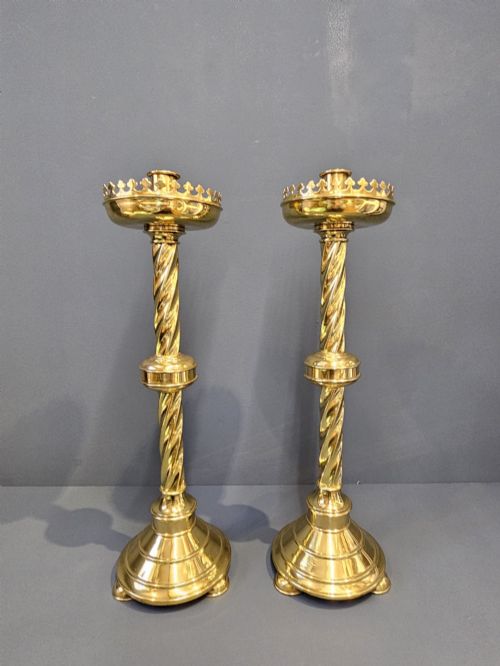
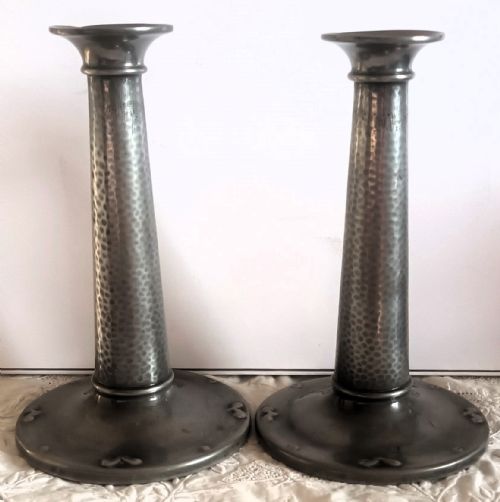
Brass and bronze dominate the evidence, frequently shaped through casting and heavy hammering to achieve rigid structural forms and sharp architectural details. Workshops utilised patinated copper and pewter as well, often combining metals to create visual contrast on altar crosses and candlesticks.
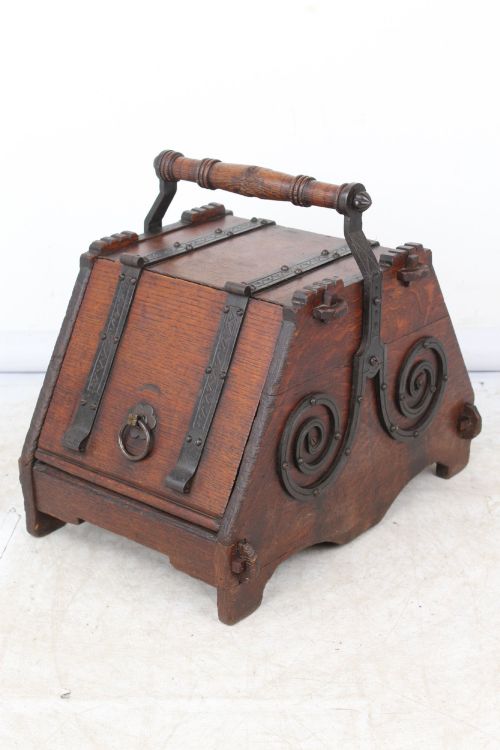
Inlaid semi-precious stones, such as agate cabochons, occasionally punctuate cast bronze surfaces on tazzas and decorative vessels. Oak elements also appear in structural joinery alongside wrought iron, grounding the metalwork in traditional heavy materials.
Gothic Revival Metalwork Retail Price Guide 2026
Typical asking prices for gothic revival metalwork among the pieces listed under this phrase on Sellingantiques today, from the lower quarter to the upper quarter. They describe what is for sale here now, not the wider market.
Listings here span from Victorian beginnings through the Arts and Crafts movement into the Amsterdam School and the mid-twentieth century.
Assessing quality and execution
The separation between standard production pieces and exceptional work lies in the crispness of the cast detailing and the depth of the hand-finishing. Superior items display sharp tracery, secure riveting, and thoughtful proportion that mimics genuine medieval stonework without looking heavy-handed.
Weight and structural integrity dictate the upper tier, where heavy gauges of brass, bronze, or copper provide genuine substance. Poorer examples rely on thin sheet metal stamped into shape, lacking the architectural presence expected from serious ecclesiastical or domestic furnishings.
Christopher Dresser
The Gothic Revival Metalwork Glossary
- Pricket
- A sharp spike on a candlestick or altar cross designed to impound a large candle. This form is common in ecclesiastical metalwork.
- Lectern
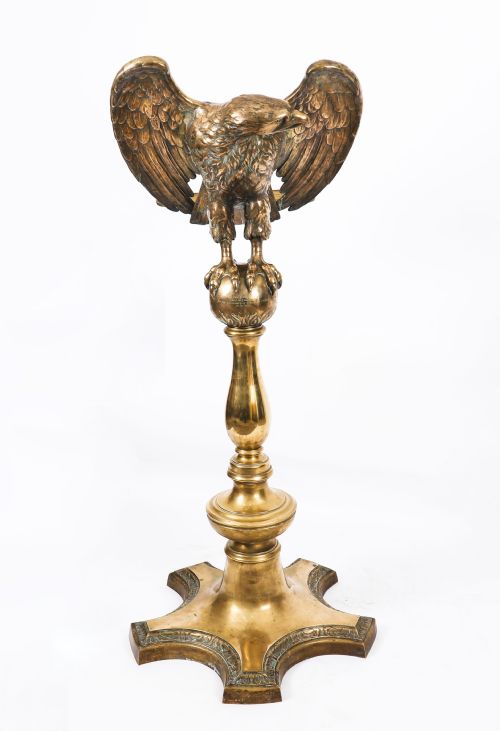
- A reading desk used to hold liturgical books, often fashioned in brass with an eagle motif during the nineteenth century.
- Tazza
- A shallow saucer-like ornamental cup mounted on a stem and foot, frequently utilised for decorative display in bronze and agate.
- Cabochon
- A gemstone shaped and polished rather than faceted, often set directly into the metal body of a tazza or cross.
- Tracery
- Architectural stonework ornamentation adapted into metal designs, forming openwork patterns typical of the gothic style.
Gothic Revival Metalwork: Frequently Asked Questions
How were these metal objects used?
Many of these items originated in churches, where brass candlesticks, processional crosses, and eagle lecterns supported worship and liturgy. Domestic iterations, such as coal scuttles and tazzas, brought ecclesiastical heaviness into everyday Victorian and Edwardian interiors.
Items like altar crosses and crucifixes held devotional significance, while grand tour urns and decorative vases functioned purely as status symbols and interior ornaments for collectors.
How do I live with these pieces?
Gothic revival metalwork demands space and robust surfaces because of its heavy construction and dark, patinated finishes. Pairing heavy brass or bronze with plain walls allows the architectural lines and metallic textures to command attention without visual clutter.
Maintenance involves minimal intervention to preserve the historic patina on copper, bronze, and brass. Regular dusting suffices, avoiding harsh commercial polishes that strip away the aged surfaces accumulated over the decades.
How do I tell periods apart?
Victorian examples often rely on strict historical revivalism, featuring heavily cast brass and overtly medieval ecclesiastical motifs. Later nineteenth and early twentieth-century pieces shift toward Arts and Crafts or Amsterdam School aesthetics, prioritising hand-hammered textures over rigid academic styling.
Dates stretching into the mid-twentieth century frequently show simplified forms that retain gothic proportions without the fussy ornamentation of early Victorian church metalwork.