





Nineteenth Century Metalwork
Nineteenth century metalwork brings together heavy bronze, rich copper and intricate cloisonné enamel across global traditions.
Nineteenth Century Metalwork
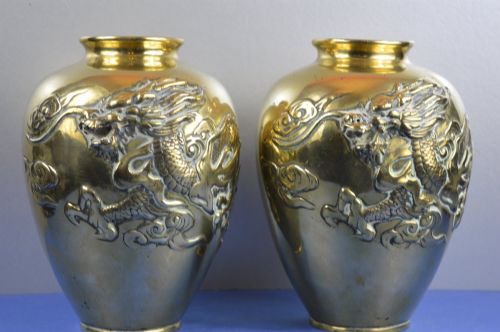
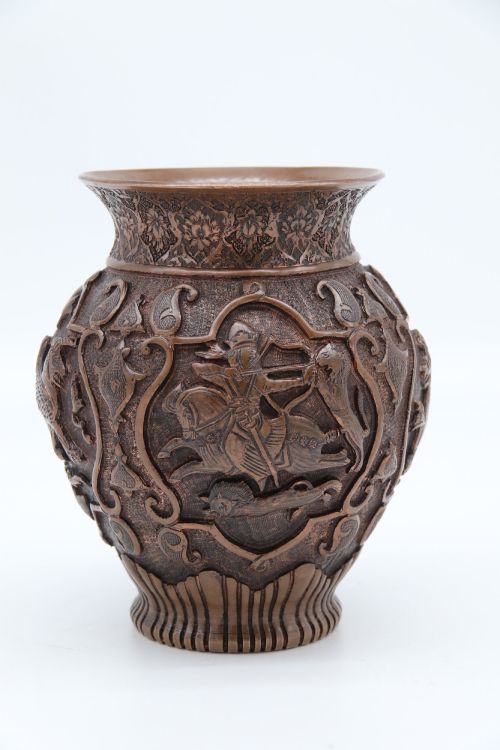
Nineteenth century metalwork encompasses a diverse range of objects created across global workshops, including decorative vases, heavy censers, candlesticks and intricate chargers. Buyers searching this phrase encounter pieces spanning the Victorian era, Meiji period and Qing dynasty, reflecting diverse cultural aesthetics.
Materials and methods
Artisans employed bronze, brass and copper as primary structural metals, shaping them through casting, hammering and repoussé techniques. Heavy pieces such as censers and large vases utilise bronze and brass, often finished with patination, gilding or ormolu.
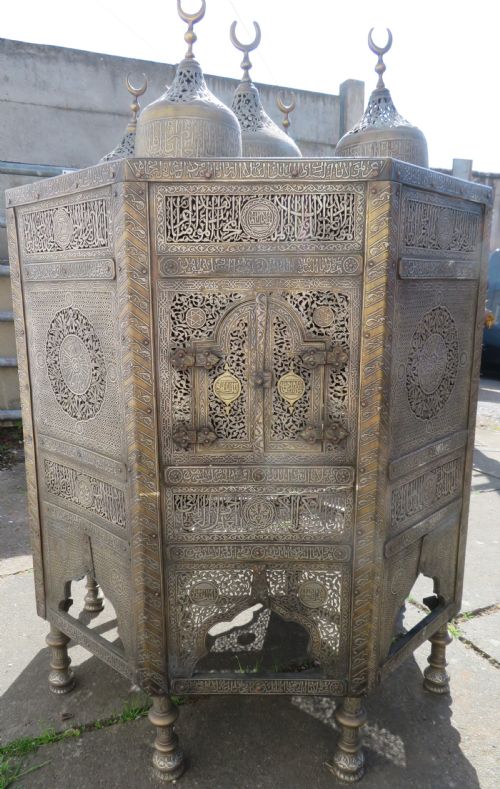
Surface decoration frequently incorporates cloisonné enamel, silver and gold inlay, and intricate embossing. Makers balanced structural weight with fine surface detailing, particularly visible in Meiji period Japanese bronzes and intricate Cairoware occasional tables.
Materials span patinated bronze, cloisonné enamel, silver and gold inlaid brass, and cast iron.
Judging quality
Quality rests in the crispness of the casting and the precision of surface ornamentation, distinguishing master workshops from standard production. Heavier vessels demonstrate substantial metal density and secure joins, while finer cloisonné work displays tight cell alignment and even enamel saturation.
Artistic execution dictates the upper tier of the range, seen in naturalistic animal sculptures and deeply chased relief work. Pieces retaining their original patination, gilding or complex multi-metal inlay command greater aesthetic interest than those with compromised surfaces.
The Nineteenth Century Metalwork Glossary
- Cloisonné enamel
- A metalwork technique where fine wire is soldered to a metal base to form compartments filled with enamel paste and fired.
- Repoussé
- A metalworking method in which a malleable sheet of metal is hammered from the reverse side to create a raised design in relief.
- Ormolu
- Finely ground high-carat gold-mercury amalgam applied to a bronze object, creating a rich golden surface finish popular in French decorative arts.
- Censer
- A vessel designed for burning incense, frequently manufactured in heavy bronze or brass with pierced lids and dragon handles.
- Tsubo
- A traditional Japanese jar or vase form, often cast in heavy bronze with detailed patination or relief decoration.
Nineteenth Century Metalwork: Frequently Asked Questions
How do I clean antique bronze?
Dust gently with a soft dry cloth to preserve the historical surface and patination. Avoid water, abrasive cleaners and commercial polishes that strip away age.
Leaving the natural surface untouched maintains the historical character and material integrity valued by collectors.
What is Meiji period metalwork?
Meiji period metalwork refers to Japanese decorative items produced between eighteen sixty-eight and nineteen twelve. This era marked a peak in bronze casting and cloisonné enamel production for international export.
Workshops during this time combined traditional samurai armor-making skills with innovative chemical patination techniques.
Are these pieces heavy?
Many nineteenth century metalwork items possess substantial weight due to solid bronze, brass or iron construction. Vases and censers can weigh several kilograms depending on their scale and metal thickness.
This heft reflects the solid casting methods used before industrial lightweight manufacturing became common.
How do I identify French Empire metalwork?
French Empire pieces typically display classical motifs, rich gilt bronze or ormolu surfaces, and formal architectural symmetry. Candlesticks and decorative objects from this style draw inspiration from ancient Roman and Greek designs.
Precision in the fire-gilding and heavy cast bronze foundations distinguish these items from later Victorian interpretations.