
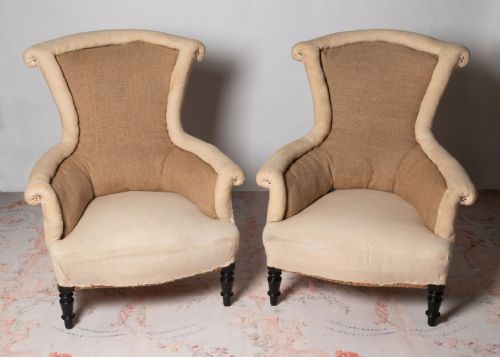


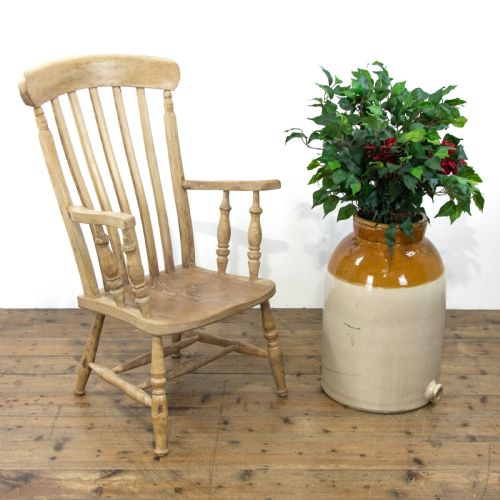

Nineteenth Century High Chair
Nineteenth century high chair examples are children's seats raised for the table, offering a glimpse into domestic life from the period.

Nineteenth Century High Chair
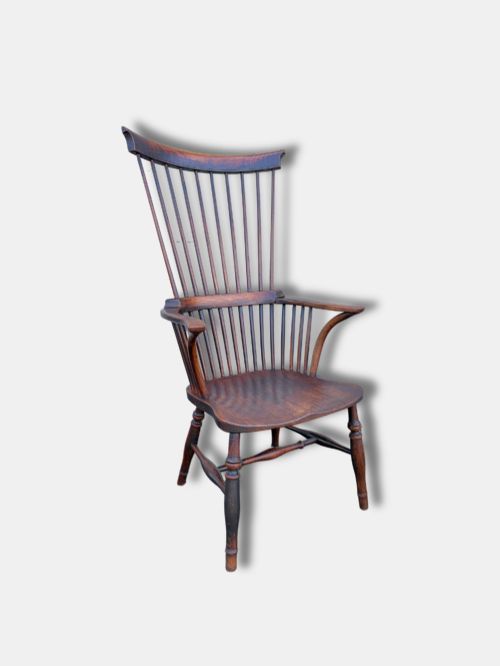
A nineteenth century high chair is a child's seat raised for the table, appearing in forms such as the Windsor style or mahogany with a stand. The examples seen on this page span the 19th Century, Victorian, Regency, and William IV periods.
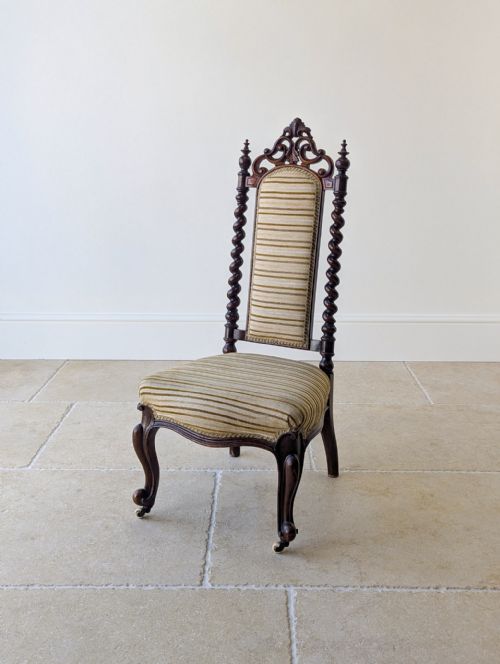
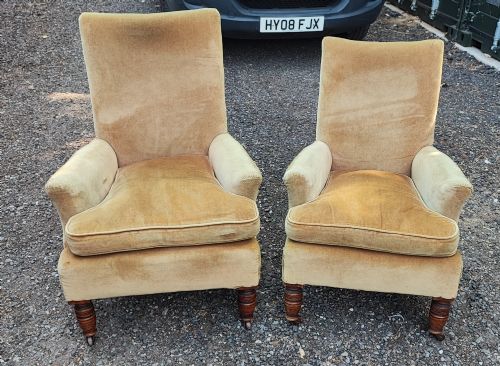
Most pieces likely to be met here originate from English workshops or France, utilising woods like elm, ash, walnut, and mahogany. Alongside dedicated high chairs, the selection includes related children's seating and armchairs from the same era.
Makers and regional styles shape the choices available, ranging from vernacular country pieces in fruitwood and elm to more formal mahogany designs. Buyers encounter both simple ash frames and bamboo constructions reflecting the varied tastes of the nineteenth century.
How they were made
Makers utilised solid timbers such as elm, ash, oak, walnut, and mahogany, often combining contrasting woods like ash and elm within a single piece. Turned components and sturdy frames provided the necessary support for daily use.
Upholstered elements incorporated leather and fabric over internal padding, while specific models integrated brass fittings or distinct stands. French pieces introduced alternative materials like bamboo alongside traditional walnut frames.
Nineteenth Century High Chair Retail Price Guide 2026
Typical asking prices for nineteenth century high chair among the pieces listed under this phrase on Sellingantiques today, from the lower quarter to the upper quarter. They describe what is for sale here now, not the wider market.
A French bamboo highchair from 1900 proves that nursery seating followed exotic continental trends alongside sturdy English elm Windsors.
What varies in quality
Quality rests upon the selection of timbers, such as figured mahogany or well-matched ash and elm, paired with robust joinery. Finer examples display careful turning on spindles and legs, alongside balanced proportions.
The sophistication of the design dictates distinction, separating vernacular country pieces from formal parlour seating or those mounted on dedicated stands. Originality of timber and surface finish elevates certain items above standard utilitarian versions.
Duncan McKellar of Fenwick·John Shadford Windsor Lincolnshire
The Nineteenth Century High Chair Glossary
- Windsor chair
- A wooden chair built with a heavy solid wooden seat into which the back-legs and spindles are drilled directly. This vernacular form often combines elm seats with ash or fruitwood stems.
- High chair
- A child's chair elevated on long legs or a separate wooden stand to reach table height. They appear in regional English and French styles from the nineteenth century.
- William IV
- A British design period spanning the 1830s bridging Regency and early Victorian tastes. Pieces from this era often utilise heavy mahogany.
- Vernacular
- Regional furniture built by local craftsmen using traditional methods rather than following strict metropolitan pattern books. These items frequently employ local timbers like elm and ash.
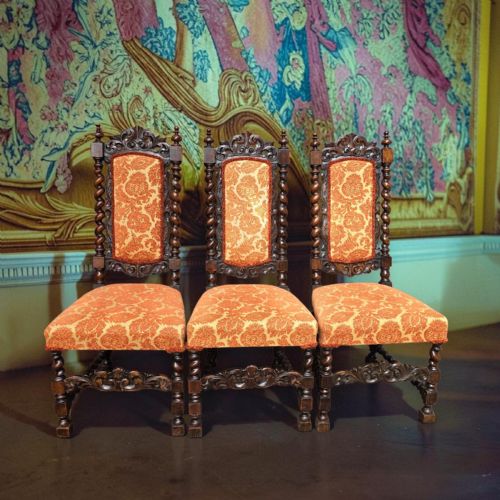
- Barley twist
- A type of furniture leg or stretcher carved in a spiral resembling a twisted rope. This decorative turning appears on mid-nineteenth century dining and parlour chairs.
Nineteenth Century High Chair: Frequently Asked Questions
What woods were used for nineteenth century high chair pieces?
Makers constructed these seats using regional timbers like elm, ash, and fruitwood alongside denser woods such as mahogany and walnut. Some examples also incorporate bamboo.
Selections often depended on local availability and whether the piece was a country vernacular workshop creation or a formal parlour item.
How do I identify a nineteenth century high chair?
These pieces combine child-sized seating proportions with elevated legs or a matching wooden stand to reach table height. They frequently reflect wider stylistic movements of the era, from Windsor framing to mahogany frames.
Details such as turned spindles, elm seats, and period timber patination help distinguish authentic nineteenth-century examples from later reproductions.
Are nineteenth century high chair designs standard?
Forms vary considerably across the period, ranging from simple country ash and elm Windsor child chairs to mahogany seating mounted on stands. French variants introduce bamboo frames.
Regional vernacular traditions in England and Scotland further diversified the output alongside mainstream Victorian and William IV styles.
Where were these high chairs made?
Evidence shows production across English workshops, Scottish vernacular centres, and French makers. Country pieces often emerged from regional rural makers.
Formal urban workshops produced mahogany and walnut variations tailored to fashionable domestic interiors of the nineteenth century.