



Nineteenth Century German Porcelain
Nineteenth century german porcelain combines rigorous firing techniques with elaborate modelled forms, offering collectors everything from cabinet cups to monumental figural candelabra.
Nineteenth Century German Porcelain
Nineteenth century german porcelain encompasses a diverse range of functional tableware and ornamental objects produced across various European manufacturing centres. Collectors searching for nineteenth century german porcelain encounter items spanning the 1800s to the early 1900s, reflecting shifts from neoclassical restraint to exuberant revivalist styles.
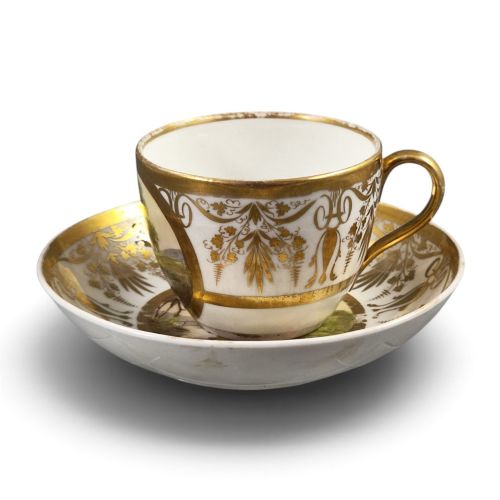
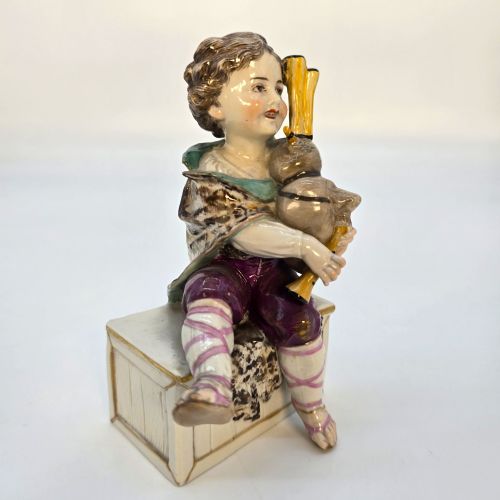
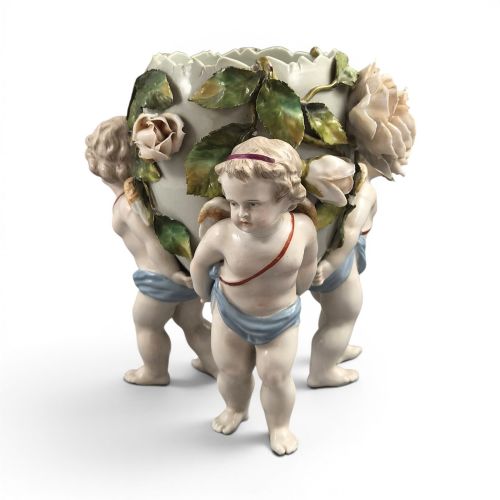
The objects available include hand-painted cabinet cups, large decorative chargers, portrait plates, and intricate figural groups. Figurines and candelabra dominate the forms, frequently drawing on rococo revival and victorian historicism to create ornate decorative focal points.
Kilns such as Meissen, KPM Berlin, and Sitzendorf established distinct regional identities through specialised moulding and painting techniques. These pieces capture a period of intense industrial and artistic output, balancing utilitarian purpose with sculptural ambition.
Determinants of quality
The refinement of the modelling separates standard production wares from superior sculptural pieces. Crisp definition in moulded details, such as facial expressions on figures or the delicate petals of porcelain flowers, indicates skilled hand-tooling before firing.
The precision and complexity of the hand-painted enamel work dictate the upper tier of the market. Superior pieces display subtle tonal graduation in painted landscapes and portraits, complemented by securely applied gold leaf rather than flat, mechanical stencilling.
Nineteenth Century German Porcelain Retail Price Guide 2026
Typical asking prices for nineteenth century german porcelain among the pieces listed under this phrase on Sellingantiques today, from the lower quarter to the upper quarter. They describe what is for sale here now, not the wider market.
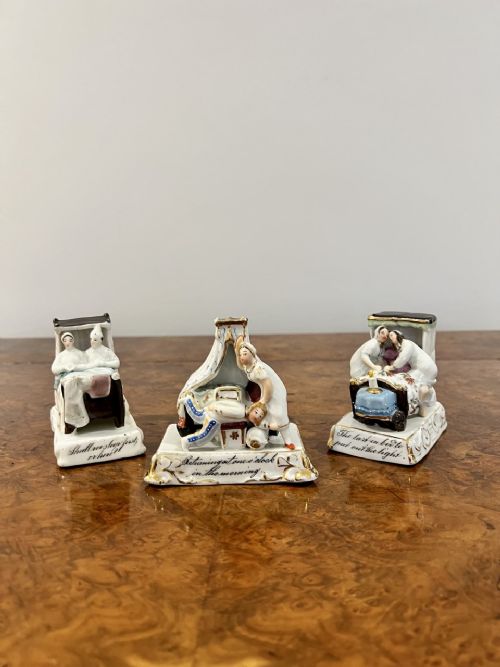
Nineteenth-century ceramic fairings frequently depicted domestic disputes over newly invented alarm clocks and tight corsets.
KPM Berlin·Royal Bonn·Volkstedt Rudolstadt Factory·Sitzendorf·C.G. Schierholz and Sohn·Meissen·Ernst Bohne and Soehne·Triebner Ens and Company
The Nineteenth Century German Porcelain Glossary
- Hard-paste porcelain
- A durable ceramic composition of kaolin and petuntse fired at very high temperatures. This material yields a hard, bright white body impervious to liquids even without glaze.
- Biscuit porcelain
- Unglazed ceramic fired once to vitrify the body while retaining a matte, porous texture resembling marble. It is frequently utilised for sculptural figurines and portrait plaques.
- Enamel
- Opaque or translucent glass fused to the porcelain surface through secondary firing. It provides the vibrant polychrome colours seen on painted plaques and tableware.
- Gilding
- The application of gold leaf or powdered gold to ceramic surfaces for decorative emphasis. It undergoes a final firing process to bond the metal permanently to the glaze.
Nineteenth Century German Porcelain: Frequently Asked Questions
How do I identify nineteenth century german porcelain?
Examine the base for factory marks, factory stamps, and impressed numbers that correspond to specific kilns operating during the 1800s. Stylistic cues such as neoclassical motifs or rococo revival scrolling also help assign an approximate decade.
Compare the weight, glaze opacity, and hand-painted details against documented examples from major manufacturing centres like Meissen or KPM Berlin. Subtle variations in paste composition often indicate the regional origin.
Were these porcelain pieces meant for display or use?
Many items served dual functions as both functional dining accessories and decorative display objects. Teacups, demitasses, and plates were produced for actual consumption, whilst large chargers and figural centrepieces were strictly ornamental.
Figurines, candelabra, and wall mirrors were manufactured exclusively to adorn domestic interiors and reception rooms. Their intricate modelling made them unsuited for practical household tasks.
What is a porcelain fairing?
Fairings are small, humorous ceramic figurines produced during the nineteenth century and typically distributed at annual trade fairs. They often depict domestic comical scenes or contemporary social satire.
These compact items gained popularity as affordable ornaments for middle-class Victorian mantelpieces. Their distinct subjects provide insight into popular culture of the period.