

Nineteenth Century French Furniture
Nineteenth century french furniture brings ornate craftsmanship and diverse woods into domestic spaces.
Nineteenth Century French Furniture
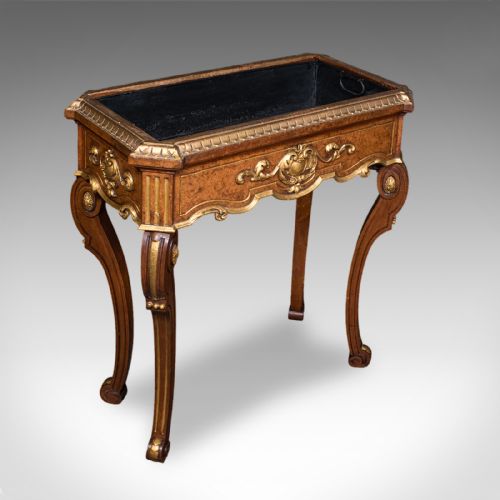
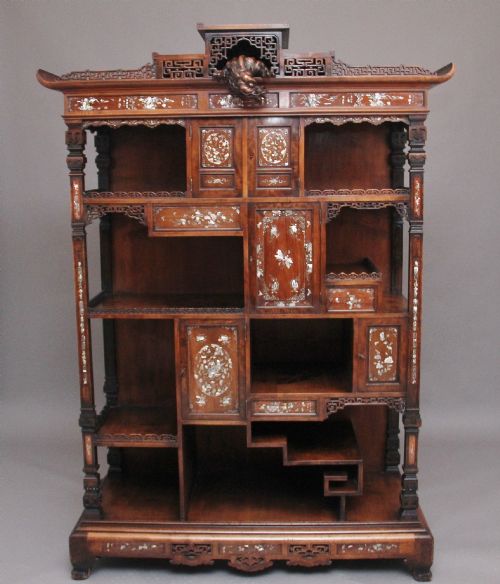
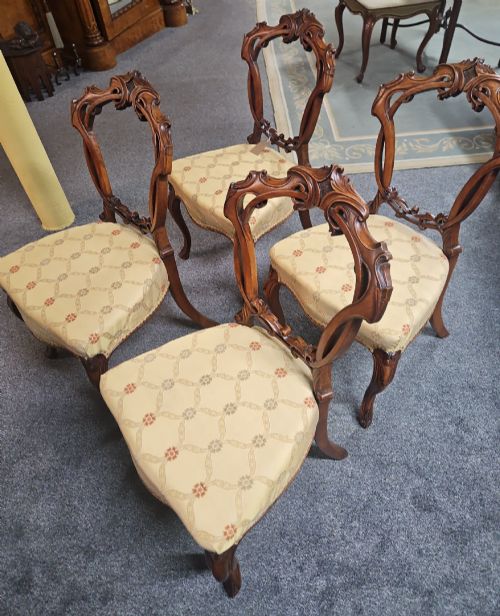
Nineteenth century french furniture comprises seating, storage and tables spanning revival styles and regional vernacular forms. Buyers searching for nineteenth century french furniture encounter everything from opulent gilt-bronze mounted commodes to rustic fruitwood workbenches.
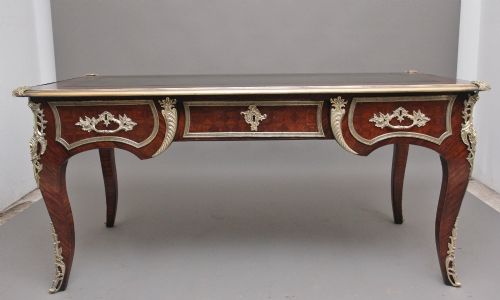
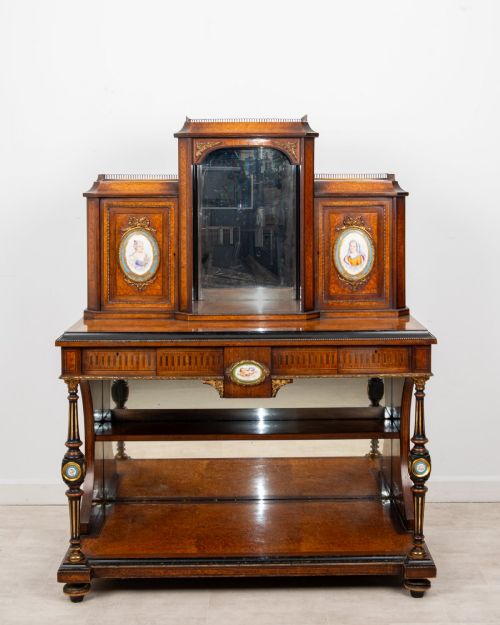
The selection ranges across French Rococo Revival, Louis XV style and Napoleon III aesthetics, alongside Empire and Restauration pieces. Cabinets, writing desks and occasional tables dominate the forms currently available.
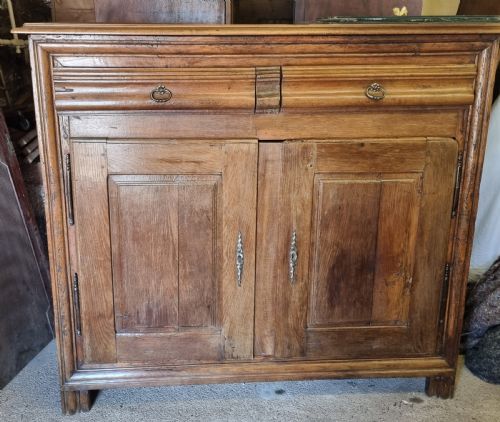
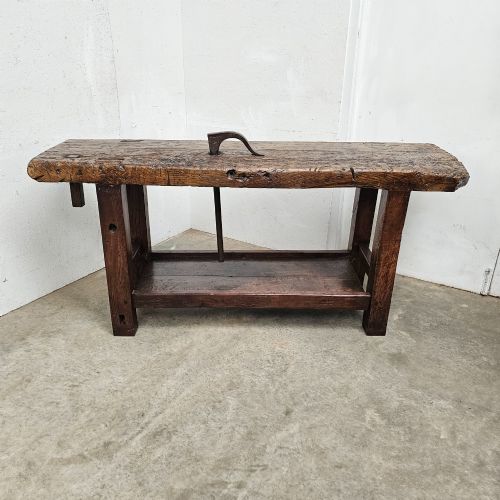
Makers and workshops in Paris produced highly decorative items utilising exotic veneers and mounts, while rural areas yielded simpler oak and elm utilitarian objects.
How they were made
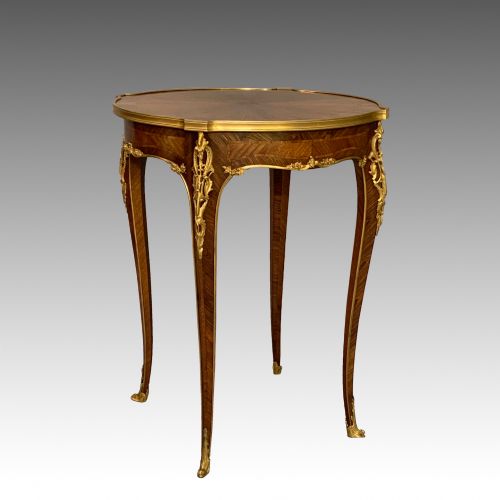
Cabinetmakers utilised dense timbers such as kingwood, walnut, mahogany and rosewood, often laid as marquetry or parquetry across carcases. Ormolu and gilt-bronze mounts decorated the angles and drawer fronts of formal pieces.
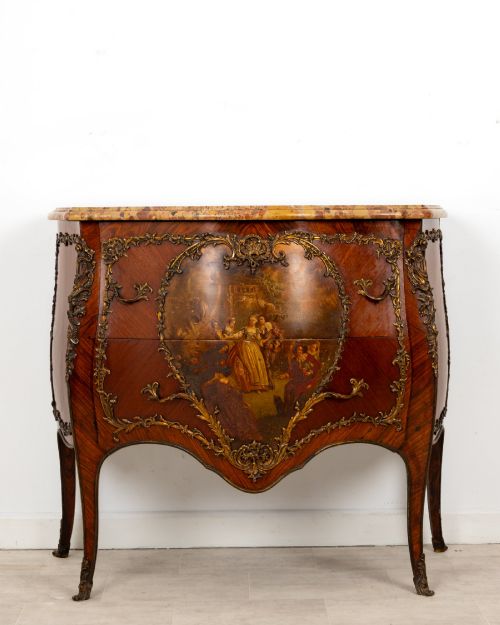
Marble tops frequently crowned commodes, consoles and dressing tables, while surfaces incorporated porcelain plaques, brass inlays and Vernis Martin painted panels.
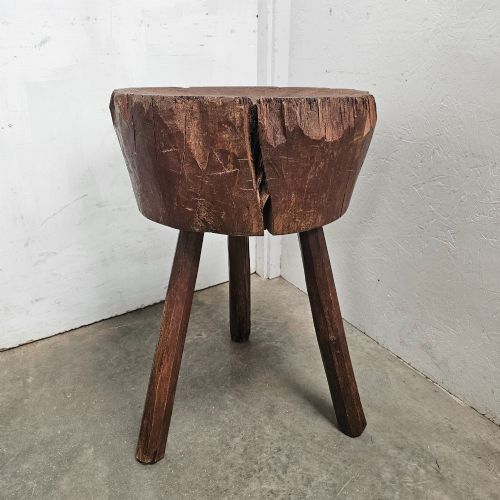
Vernacular examples relied on solid regional woods like oak, fruit wood, beech and elm, shaped for daily utility without applied bronze ornamentation.
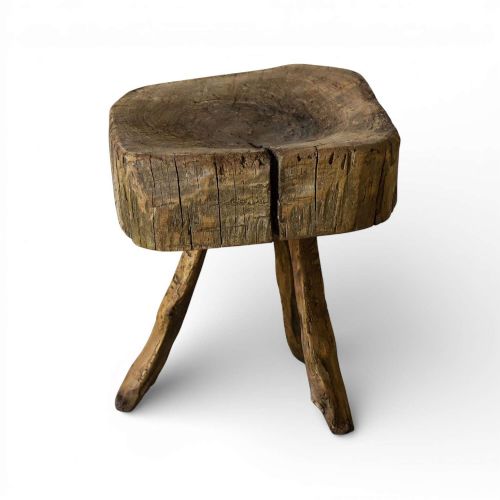
Housemaids and gamekeepers utilised heavy elm chopping blocks and beech game blocks alongside Parisian salon furniture.
What varies in quality
Quality rests upon the precision of the cabinetwork and the weight and chasing of the ormolu mounts. Finer pieces demonstrate crisp hand-chiselling on gilt-bronze elements and seamless veneer matching across complex curved surfaces.
The sophistication of the internal construction, such as dovetailed drawer linings and original locking mechanisms, distinguishes workshop productions from simpler regional items.
Signed pieces by known makers or Parisian firms command greater scholarly interest due to documented attribution and superior decorative integration.
Joseph-Emmanuel Zwiener·Jacob-Desmalter·Maison Giroux·Francois Linke·Maison Pretot Paris·Victor Raulin
The Nineteenth Century French Furniture Glossary
- Ormolu
- Gilt-bronze decorative hardware applied to furniture mounts. This technique involves gilding a bronze base with finely ground gold amalgam.
- Commode
- A low chest of drawers, typically featuring decorative veneer or mounts. These pieces frequently carry marble tops.
- Marquetry
- Elaborate veneer patterns formed by fitting together thin slices of various coloured woods. Artisans use this method to create floral or geometric pictures.
- Semainier
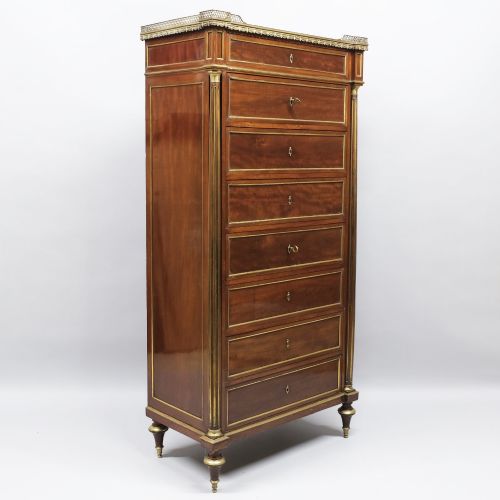
- A tall, narrow seven-drawer chest designed for weekly organisation. The form originated in France during the eighteenth century and continued through the nineteenth.
- Fauteuil
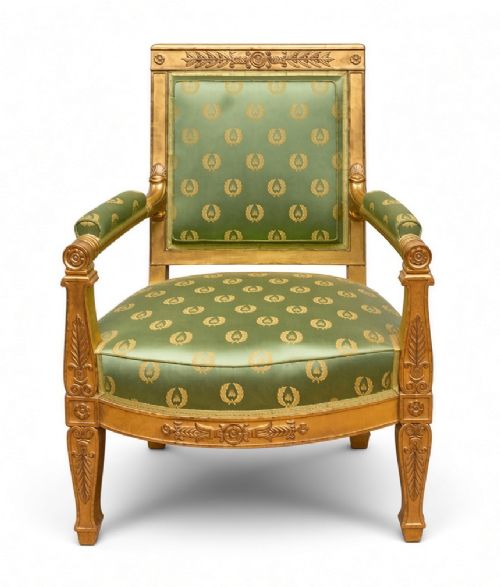
- An open-armed upholstered armchair with exposed wooden framing. French examples often display carved or gilt details on the arms and legs.
Nineteenth Century French Furniture: Frequently Asked Questions
How do I identify a louis xv revival piece?
Louis xv revival items display characteristic serpentine lines, asymmetric cartouches and cabriole legs. These pieces often feature extensive ormolu mounts and floral marquetry.
They draw inspiration from eighteenth-century royal aesthetics while utilising nineteenth-century manufacturing techniques and hardware.
What is a bonheur du jour?
A bonheur du jour is a small, light writing desk featuring a tiered superstructure with shelves, drawers or small cupboards above the main writing surface.
Introduced in the eighteenth century, these refined desks remained popular in nineteenth-century boudoirs and private drawing rooms.
Are marble tops original to these tables?
Many nineteenth-century consoles, commodes and dressing tables were designed to carry fitted marble slabs on their upper surfaces. These slabs provided durable, stain-resistant counters for daily use.
Inspection of the rebate beneath the top reveals whether the stone sits correctly within the original wooden framing.
How do I care for nineteenth century french furniture?
Maintain these pieces by keeping them away from direct heat sources and fluctuating humidity, which can split delicate veneers. Use dry microfibre cloths for dusting.
Apply occasional microcrystalline wax to polish solid wood surfaces while protecting delicate ormolu and gilt-bronze mounts from abrasive cleaners.