

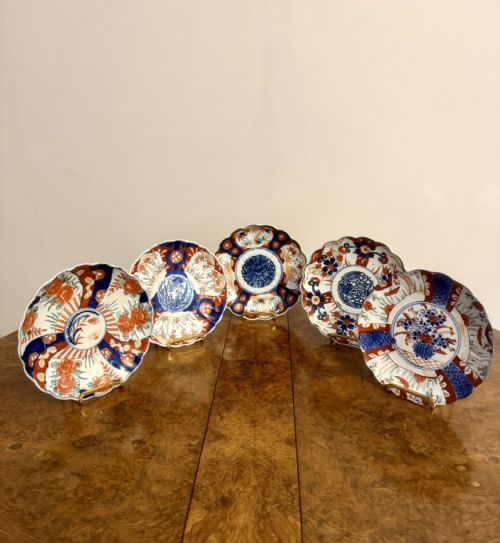


Nineteenth Century Decorative Plate
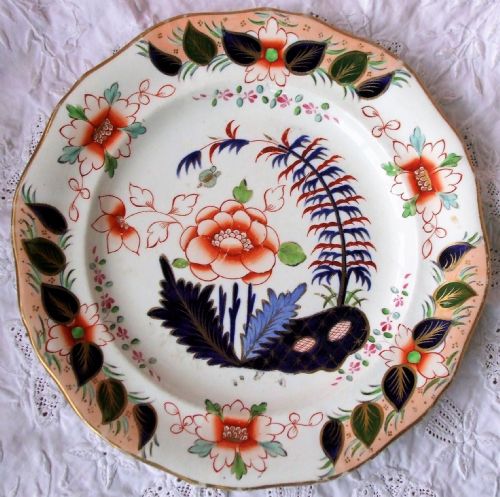
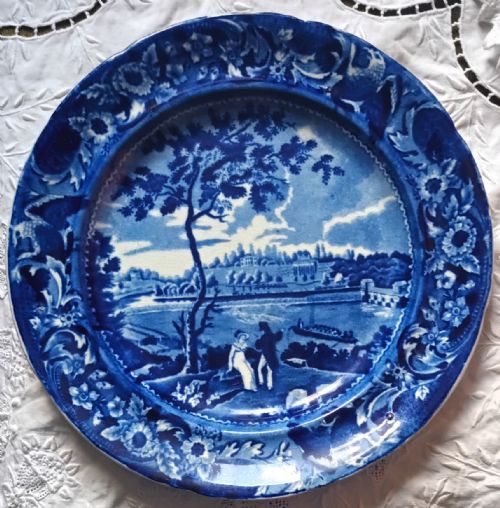
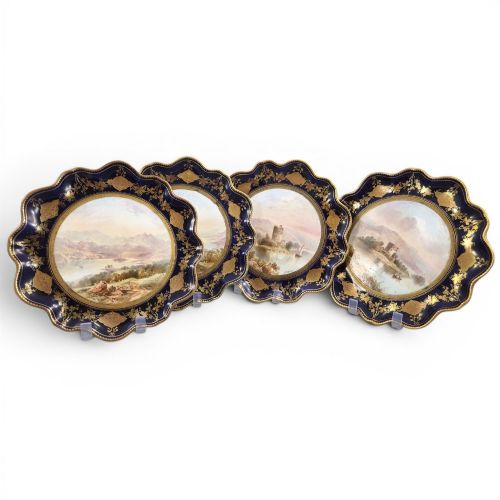
These nineteenth century decorative plate examples bring painted porcelain, ironstone, and maiolica from the Victorian period and Meiji era straight into domestic interiors.
Nineteenth Century Decorative Plate
A nineteenth century decorative plate is a ceramic or porcelain display piece created to hang on a wall or sit upon a cabinet rather than serve food at the dining table. The selection spans English ironstone, French porcelain, and Japanese chargers decorated with hand-painted scenes, transfer prints, and intricate enamel work.
Buyers most frequently encounter Victorian porcelain plates and earthenware chargers from the nineteenth century, alongside Japanese Imari wares and large Italian maiolica pieces. These range from cabinet plates with detailed figural paintings to large blue and white transfer-printed pottery chargers.
Originating from major European potteries and Japanese workshops, these display items reflect the eclectic tastes of the nineteenth century. Forms include standard cabinet plates, large shallow chargers, and square trays designed purely for visual appreciation.
How they were made
Potters shaped porcelain, ironstone, and earthenware bodies before applying glazes and rich enamel colours by hand or via blue and white transfer printing. Many pieces combined fired ceramic bases with gold leaf highlights or cloisonne wirework to build up complex surface textures.
Firing techniques allowed factories like Vienna, Minton, and Meissen to achieve fine vitrification and stable base colours for intricate pictorial subjects. Artisans then added overglaze enamels and metallic gilding in separate secondary firings to secure the detailed historical or floral scenes.
Materials span cloisonne enamel, brass, gold leaf, and marble, representing English, French, Japanese, and Italian workshops.
What varies in quality
Quality rests in the precision of the hand-painted brushwork and the clarity of the underlying ceramic body, whether fine porcelain or sturdy ironstone. Superior examples display crisp architectural or figural details by named artists rather than generic transfer patterns.
The depth and richness of the enamel palette, alongside the preservation of original gold leaf gilding, distinguish standard factory output from exceptional cabinet pieces. Heavier chargers with complex polychrome or istoriato scenes demand greater technical skill from the maker.
John Davenport of Longport·Stubbs·William Yale·Aynsley·James Rouse Jnr.·Pucher Deroche·Chamberlain·C.J. Mason·Tiffany and Co·William Adams·Minton·Meissen
The Nineteenth Century Decorative Plate Glossary
- Cabinet plate
- A display plate intended for visual appreciation in a cabinet or on a wall rather than dining use. These often feature hand-painted scenes or rich gilding.
- Charger
- A large decorative plate or platter used primarily for display. They frequently measure significantly larger than standard dinner plates.
- Ironstone
- A heavy, durable type of earthenware patented in the nineteenth century. It combined the strength of stone china with a smooth glazed surface suitable for transfer printing.
- Maiolica
- Tin-glazed Italian earthenware decorated with colourful pigments. Pieces often depict historical or classical narrative scenes across a broad surface.
Nineteenth Century Decorative Plate: Frequently Asked Questions
How are nineteenth century decorative plate items displayed?
These pieces traditionally sit on plate stands inside cabinets or hang securely on walls using specialised wire hangers. Their pictorial centres and decorative borders benefit from strong, indirect lighting that highlights the hand-painted enamels.
Larger chargers require robust wall fixings due to their weight, while smaller cabinet plates fit comfortably within standard glass-fronted display furniture.
What subjects appear on nineteenth century decorative plate pieces?
Common subjects include classical historical narratives, named topographical views, floral arrangements, and orientalist scenes. European factories frequently depicted literary or mythological events across the well of the plate.
Japanese examples often feature natural motifs such as birds, owls, and Mount Fuji, executed in cloisonne enamel or traditional Imari palettes.
How do I identify a nineteenth century decorative plate period?
Makers' marks stamped or painted on the reverse provide the most direct evidence of origin and date. Transfer-printed patterns and style markers such as Renaissance Revival or Neoclassical motifs also point towards the nineteenth century.
Weight, glaze characteristics, and the presence of hand-painted rather than printed borders help distinguish earlier Georgian pieces from later Victorian and Meissen productions.
Can a nineteenth century decorative plate be used for food?
These items are intended purely for display and visual appreciation rather than daily culinary use. Older glazes and overglaze enamel decorations can wear down or contain materials unsuitable for modern dining.
Hand-washing with mild soap protects the delicate gold leaf and painted surfaces if cleaning becomes necessary.