



Nineteenth Century Ceramic Pitcher
These nineteenth century ceramic pitcher examples bring robust earthenware, ironstone, and porcelain into everyday rooms, offering both decorative presence and practical utility.
Nineteenth Century Ceramic Pitcher
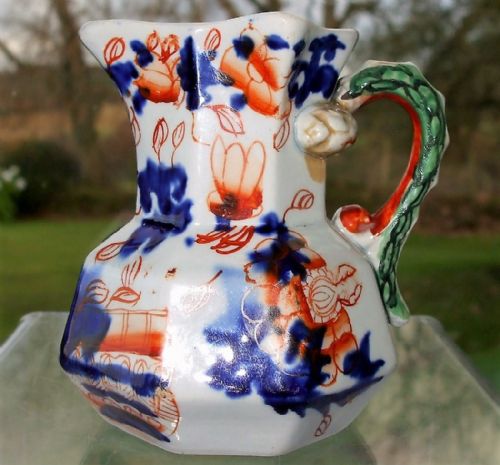
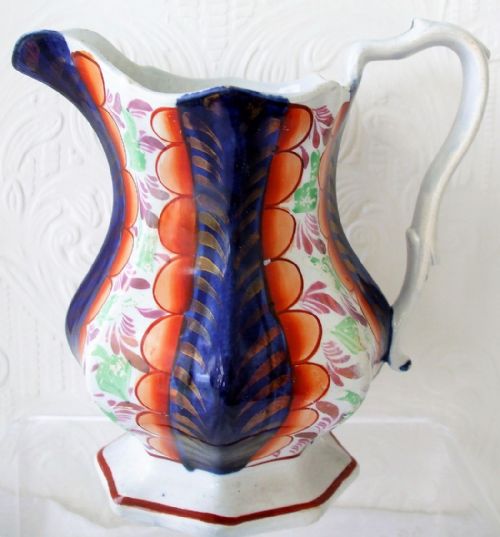
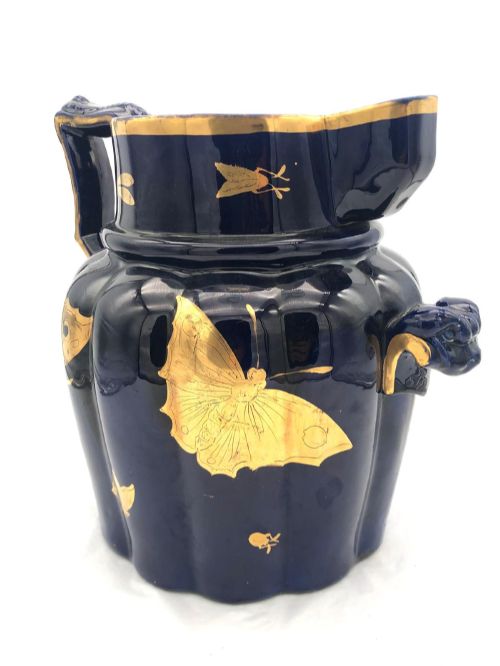
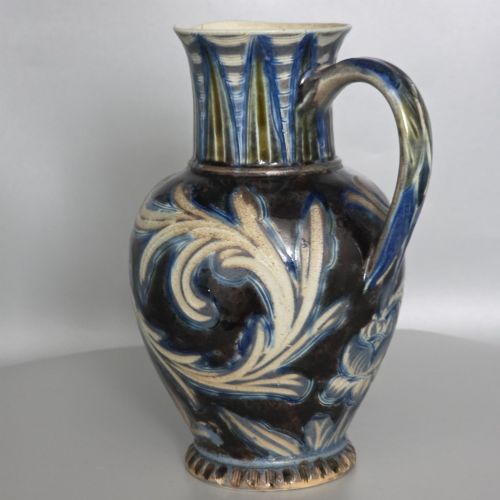
A nineteenth century ceramic pitcher encompasses functional pouring vessels and decorative ewers produced across the Georgian, Regency, and Victorian periods. Buyers seeking these items encounter diverse forms ranging from robust ironstone basins and hydra jugs to delicate porcelain tea and commemorative wares.
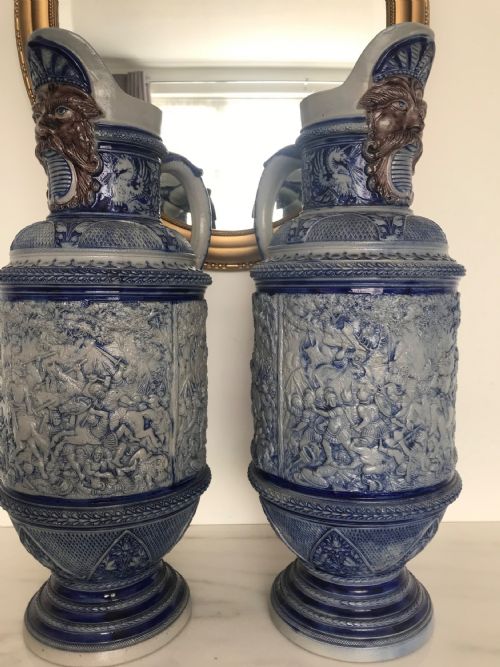
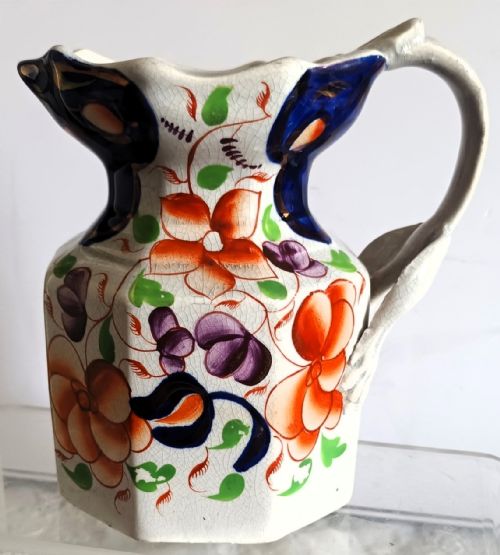
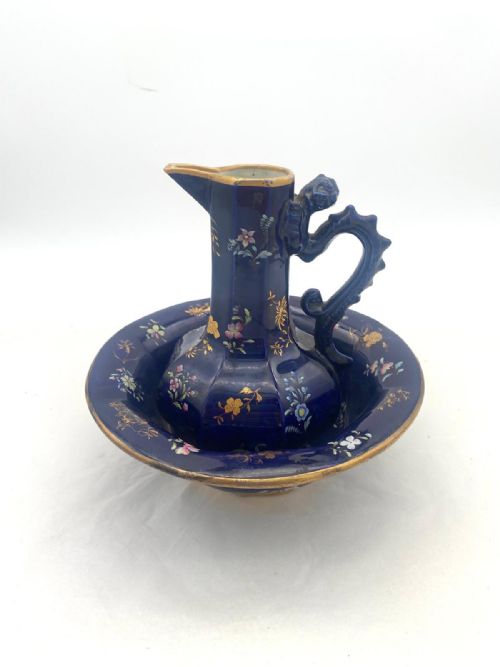
The pieces on this page span utilitarian wash sets and highly decorative art pottery featuring transfer prints, hand-painted botanical motifs, and cobalt blue salt glazes. Most examples originate from English potteries, supplemented by continental stoneware.
The selection reflects both the domestic routines and the decorative tastes of the eighteen hundreds, offering sturdy ironstone alongside finer porcelain display pieces.
How they were made
Potters shaped these vessels using earthenware, ironstone, porcelain, and stoneware, often applying rich glaze and enamel finishes. Techniques such as transfer printing and incised art pottery decoration defined the aesthetic output of the period.
Makers utilised gold leaf accents and cobalt blue colouring to enhance surfaces, while specialised bodies like pearlware provided a smooth canvas for detailed transfer decoration.
Moulding and throwing formed the primary structures, producing everything from octagonal jugs to graduated hydra sets.
Nineteenth Century Ceramic Pitcher Retail Price Guide 2026
Typical asking prices for nineteenth century ceramic pitcher among the pieces listed under this phrase on Sellingantiques today, from the lower quarter to the upper quarter. They describe what is for sale here now, not the wider market.
Some nineteenth century pitchers feature battle scenes of ancient Romans, proving that dinner table conversation starters are genuinely historic.
What varies in quality
Quality in a nineteenth century ceramic pitcher rests on the crispness of the moulding and the precision of hand-painted or transfer-printed details. Ironstone bodies show distinction through weight and durability, while porcelain versions rely on the fineness of the paste and the vibrancy of the enamel.
The sophistication of the design, such as incised art pottery patterns or architectural views, separates standard domestic ware from top-tier exhibition pieces. Maker marks and clear chronological attribution further elevate the standing of individual examples.
Doulton Lambeth·Simon Peter Gerz·Masons Ironstone·Livesley Powell And Co·Derby Porcelain
The Nineteenth Century Ceramic Pitcher Glossary
- Ironstone
- A dense, durable type of earthenware patented in the early nineteenth century to imitate porcelain. It resists chipping and formed the body for many large jugs and basins.
- Pearlware
- A refined earthenware developed by Josiah Wedgwood featuring a faint bluish glaze that pooled in recesses. It served as a popular base for transfer-printed patterns.
- Hydra jug
- A specific vessel shape characterised by a flared rim, moulded handle, and serpentine body lines. These often appear in graduated sets made of ironstone.
- Salt glaze
- A vitreous coating formed by throwing common salt into the kiln during high-temperature firing. This technique created an orange-peel texture on stoneware pitchers.
- Transfer printing
- A decoration method using an engraved copper plate to transfer images onto paper and then onto ceramic surfaces. It allowed for consistent, intricate patterns across multiple pieces.
Nineteenth Century Ceramic Pitcher: Frequently Asked Questions
Were these pitchers used daily?
Many nineteenth century ceramic pitcher examples served practical daily functions in wash sets, dairies, and dining rooms. Utilitarian ironstone and stoneware handled heavy use, while porcelain versions often stayed on display.
Over time, wear patterns from everyday handling developed on the handles and rims of working vessels.
How do I date a ceramic pitcher?
Examine the material composition, glaze characteristics, and any maker marks stamped or painted on the base. Stylistic clues such as Regency shapes or Victorian transfer prints narrow the production window.
Comparing the decorative motifs with documented factory periods provides a reliable chronological anchor.
Can I use these pitchers for serving?
While structurally sound, antique pitchers often feature crazing or minor glaze imperfections that absorb liquids over long periods. Using them for dry display or gentle flower arrangements preserves the material integrity.
Assessing the interior condition helps determine whether a specific vessel remains suitable for holding liquids.