

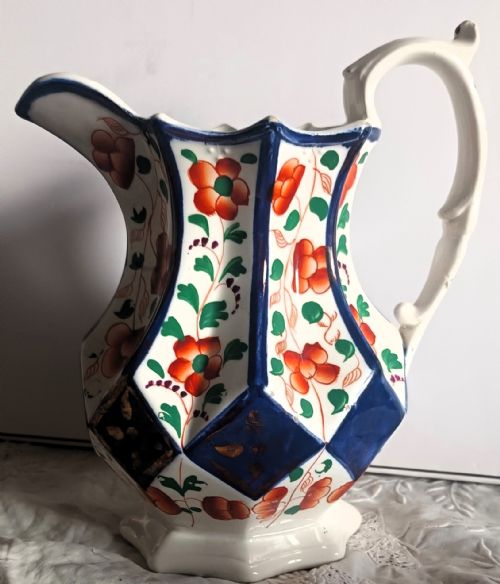


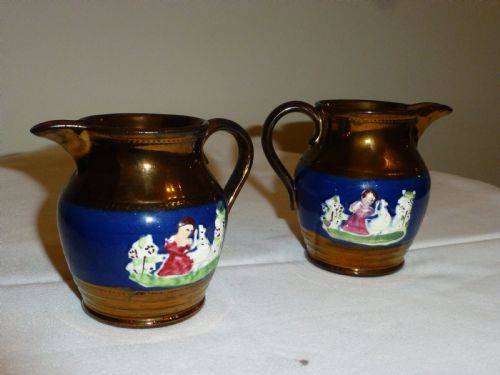
Copper Lustre Earthenware Pitcher
These copper lustre earthenware pitchers bring rich metallic sheens and traditional Staffordshire forms straight into your collection.
Copper Lustre Earthenware Pitcher
A copper lustre earthenware pitcher is a classic ceramic pouring vessel defined by its reflective metallic surface. These pieces emerge predominantly from the nineteenth century and the Georgian era, representing traditional domestic pottery forms.
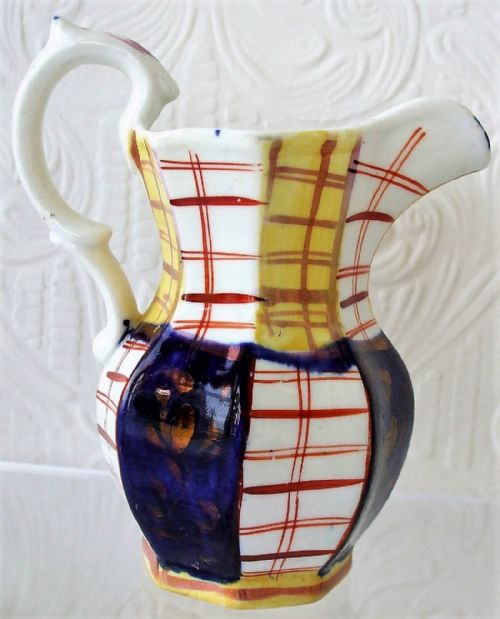
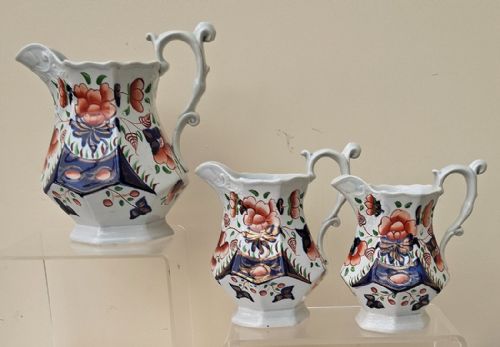
The selection here spans from small cream jugs to large milk jugs and jug sets. Many examples hail from Staffordshire workshops, capturing practical kitchenware designed for daily service.
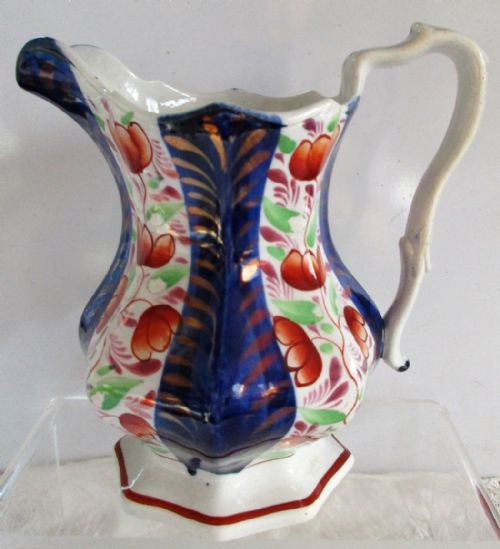
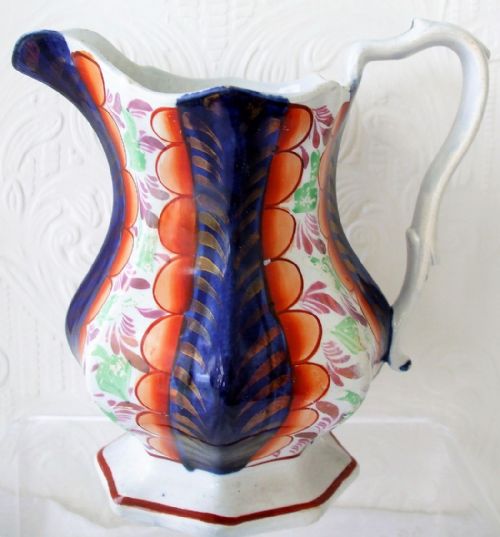
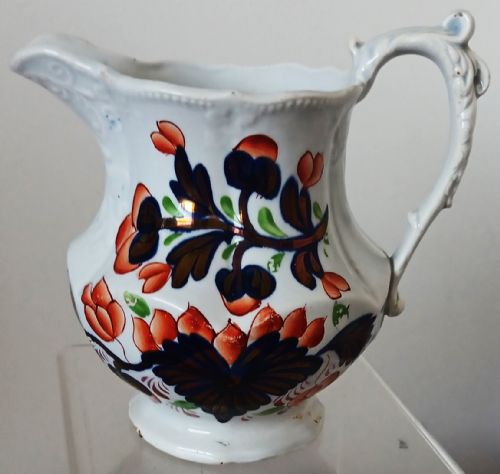
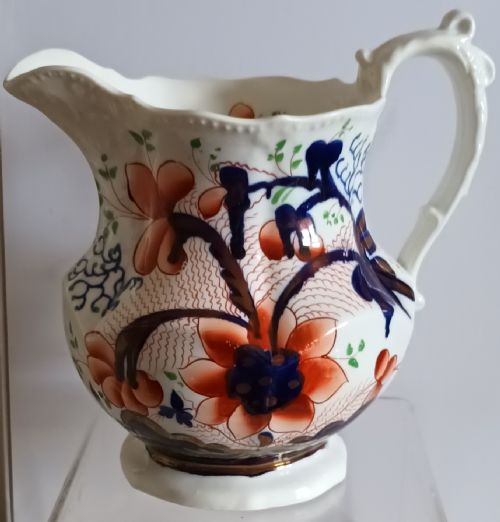
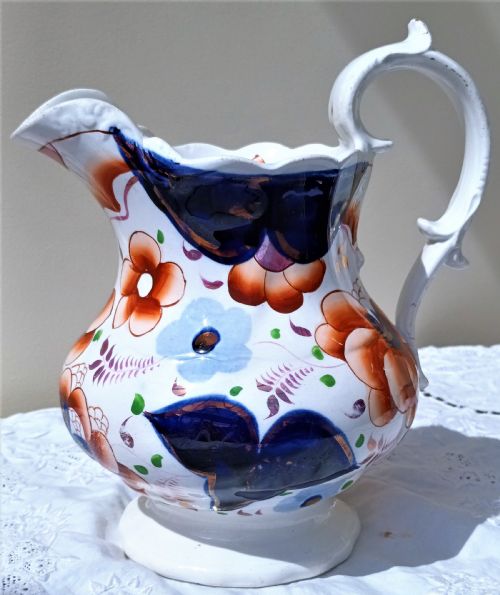
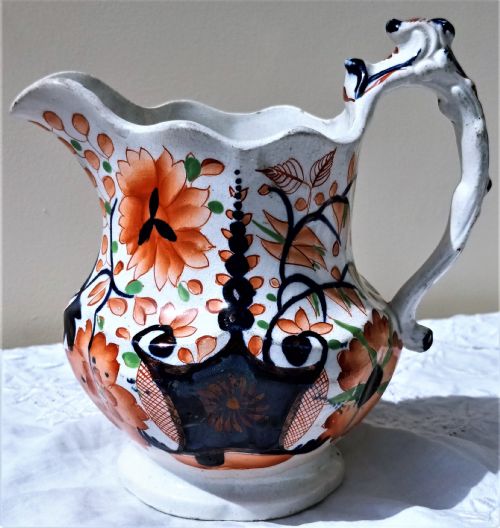
Alongside plain metallic finishes, the listings show pieces decorated with polychrome enamel patterns. These decorated variations include Gaudy Welsh designs such as the Conwy, Harlech, and Cambrian Rose patterns.
How they were made
Potters shaped these vessels from earthenware clay before applying an underlying glaze. The distinctive metallic skin relies on a thin metallic glaze containing copper, which leaves a brilliant, reflective sheen after firing.
Some pieces incorporate hand-painted enamel colours over or beneath the glaze to form floral and architectural motifs. This combination of metallic lustre and painted decoration required careful multi-stage firing processes.
Copper Lustre Earthenware Pitcher Retail Price Guide 2026
Typical asking prices for copper lustre earthenware pitcher among the pieces listed under this phrase on Sellingantiques today, from the lower quarter to the upper quarter. They describe what is for sale here now, not the wider market.
Early potters occasionally forgot to wash their hands before glazing, leaving tiny thumbprints immortalised beneath a century of shimmering copper.
What varies in quality
Quality rests primarily on the evenness and depth of the copper lustre glaze across the body of the jug. Superior examples maintain a brilliant, unbroken metallic skin without patchy fading or dull spots.
The clarity and preservation of hand-painted enamel details also set pieces apart. Crisp lines in patterns like the Pagoda or Grape designs indicate careful execution by the decorator.
The Copper Lustre Earthenware Pitcher Glossary
- Earthenware
- Porous pottery fired at lower temperatures than stoneware or porcelain. It serves as the standard ceramic body for these pitchers.
- Lustreware
- Pottery decorated with a metallic glaze that produces an iridescent sheen. The technique creates a reflective surface resembling polished metal.
- Enamel
- Opaque vitreous composition fused to the ceramic surface by heat. It provides the bright decorative colours seen on patterned jugs.
- Staffordshire
- A major English pottery-producing region. Makers here turned out large quantities of utilitarian and decorative jugs.
Copper Lustre Earthenware Pitcher: Frequently Asked Questions
What are copper lustre pitchers?
These items are ceramic pouring vessels coated in a metallic glaze that yields a bright, reflective copper finish. They date mostly from the Georgian and Victorian periods.
Potters produced them in various sizes, ranging from small cream jugs to large milk jugs, often supplementing the metallic finish with painted enamel designs.
How were they used?
Households utilised these vessels for serving cream, milk, and other liquids at the table during the nineteenth century. Their decorative metallic finishes also allowed them to sit on mantelpieces as ornamental displays.
Because they combined utility with eye-catching colour, they remained popular in domestic settings across Britain.
How do I date a jug?
Dating relies on stylistic clues, form, and material characteristics documented in the listings. Pieces span the Georgian era through to the Victorian period.
Form changes and specific named patterns, such as early Staffordshire styles or Gaudy Welsh designs, help narrow down the manufacturing era.
How do I clean these jugs?
Careful dusting with a soft, dry cloth preserves the fragile metallic glaze and any enamel decorations. Avoid harsh abrasives or soaking, which can damage the historic surface.
Gentle maintenance ensures the copper lustre finish remains bright and intact for future display.