



Antique Lustreware Milk Pitcher
These antique lustreware milk pitcher examples bring bright metallic surfaces and hand-decorated motifs straight from the nineteenth century to your table.
Antique Lustreware Milk Pitcher
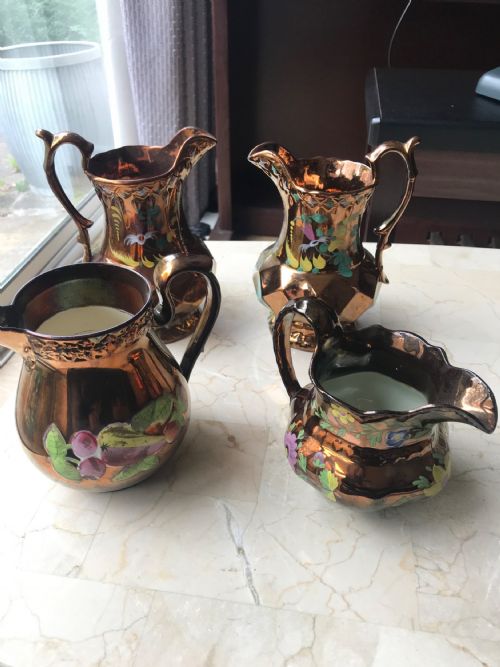
An antique lustreware milk pitcher is a small ceramic vessel designed for serving milk or cream at the table, finished with a distinctive metallic glaze that catches the light. When you search for this phrase, you find earthenware and ironstone jugs originating from the nineteenth century, spanning Georgian, Regency, and Victorian periods.
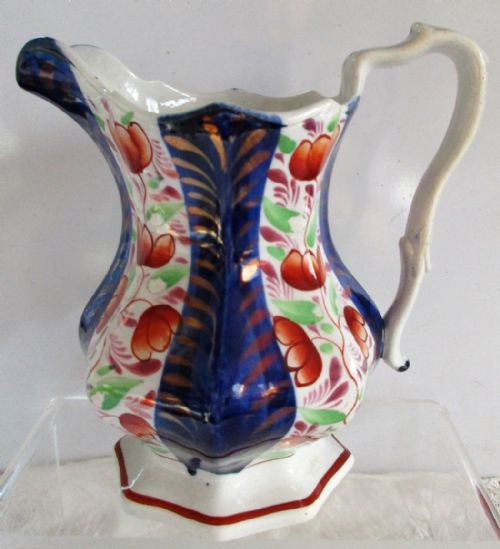
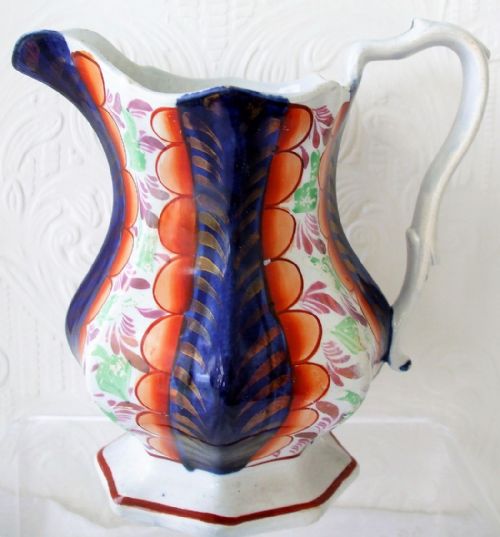
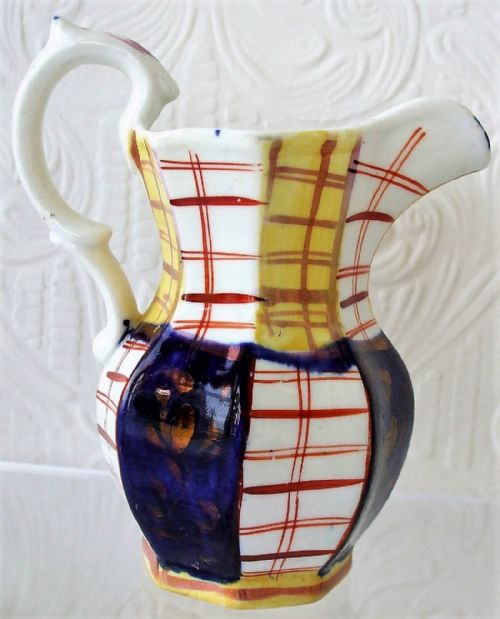
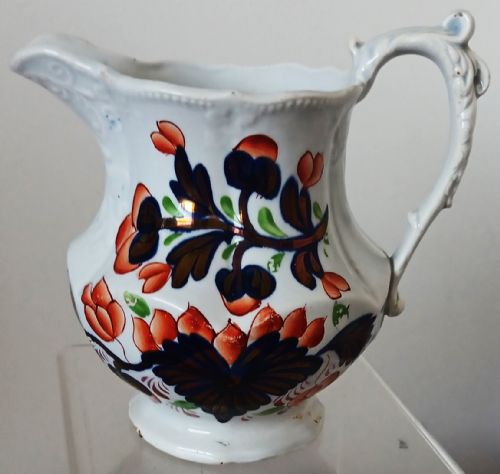
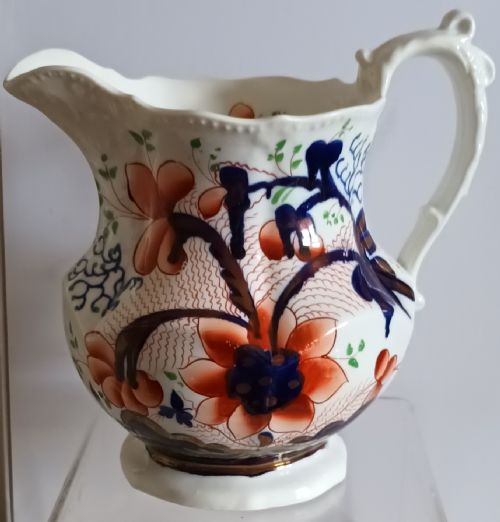
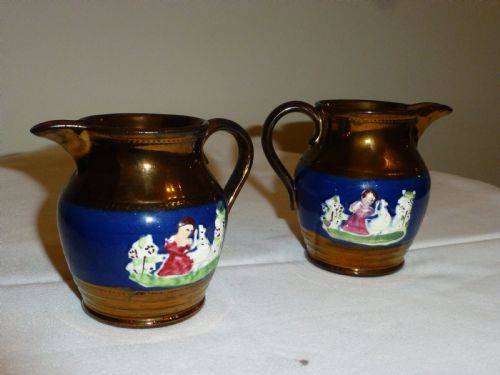
The pieces on this page are predominantly earthenware and pearlware forms, with Staffordshire and Gaudy Welsh patterns appearing frequently. You encounter robust cream jugs alongside larger milk jugs, often hand-decorated with fruit, botanical subjects, or purple transfer printing.
Makers such as Livesley Powell and Co produced sturdy ironstone china variants, while Staffordshire potteries specialised in copper lustre finishes. These jugs served a practical daily purpose in the household before becoming decorative collectables prized for their metallic sheen.
How they were made
Potters shaped these vessels using earthenware, pearlware, or ironstone clay bodies, which were then fired to create a durable ceramic base. Earthenware provided a porous yet reliable canvas that absorbed the glazes and decorative pigments effectively.
The characteristic metallic sheen relies on a specialised lustre glaze containing real metals, applied over an initial fired glaze and fired a second time in a reduced oxygen atmosphere. Enamel colours and purple transfer prints were often added by hand before this final firing to build up complex patterns like the Gaudy Welsh styles.
Antique Lustreware Milk Pitcher Retail Price Guide 2026
Typical asking prices for lustreware milk pitcher among the pieces listed under this phrase on Sellingantiques today, from the lower quarter to the upper quarter. They describe what is for sale here now, not the wider market.
The styles span Georgian, Regency, and Victorian periods, highlighting regional British pottery traditions from the nineteenth century.
What varies in quality
Quality in these jugs rests upon the evenness and depth of the metallic lustre glaze, where a rich, reflective finish distinguishes superior pieces from flat or dull surfaces. Hand-painted botanical details and crisp purple transfer prints also separate standard production wares from finely executed examples.
The crispness of the moulded earthenware body and the precision of the hand-decorated fruit or floral motifs indicate the skill of the original Staffordshire or regional pottery. Heavier, well-balanced handles and clean potting lines show a higher standard of craftsmanship than hurried, utilitarian output.
Livesley Powell and Co
The Antique Lustreware Milk Pitcher Glossary
- Copper Lustre
- A metallic glaze containing copper oxides that produces a warm, coppery, reflective surface on ceramic bodies. This finish was widely utilised by nineteenth-century Staffordshire potteries.
- Pearlware
- A refined earthenware developed in the late eighteenth century featuring a subtle bluish glaze that pooled in crevices. It bridged the gap between creamware and true porcelain.
- Ironstone China
- A durable, heavy ceramic patented in the nineteenth century to rival true porcelain. It offered high resistance to chipping and provided a stable base for transfer-printed designs.
- Gaudy Welsh
- A style of colourful, hand-painted earthenware featuring cobalt blue, iron red, and copper lustre accents. It was produced in Staffordshire and Wales primarily during the Victorian era.
Antique Lustreware Milk Pitcher: Frequently Asked Questions
How were these milk pitchers used originally?
These pitchers served as functional tableware items designed to hold and pour milk or cream during tea and dining services.
Households used them daily, which explains why many surviving examples show varying degrees of wear from regular handling and washing.
What is the difference between copper lustre and lustreware?
Copper lustre specifically refers to the warm, coppery metallic glaze applied to earthenware bodies to create a reflective surface.
Lustreware is the broader term encompassing all ceramics decorated with metallic sheens, including silver and pink varieties.
How can I tell a Victorian jug from a Georgian one?
Georgian and Regency pieces often feature pearlware bodies with refined transfer printing or early copper glazes characteristic of the early nineteenth century.
Victorian examples frequently display heavier earthenware bodies, bolder hand-decorated motifs, and vibrant Gaudy Welsh patterns.
How should I display my lustreware jug at home?
Place your pitcher in a well-lit cabinet or on a sturdy shelf where natural light can catch the reflective metallic glaze.
Keep ceramic pieces away from direct, harsh sunlight and damp environments to preserve the delicate enamel decorations and surface finish.