


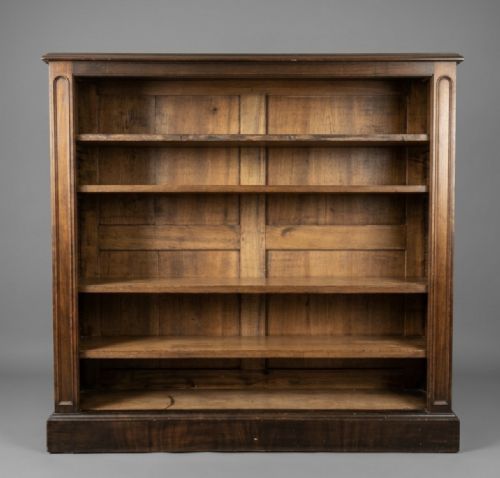


Nineteenth Century Books
Nineteenth century books and associated library furniture bring historical depth and craftsmanship to interiors through varied woods and periods.
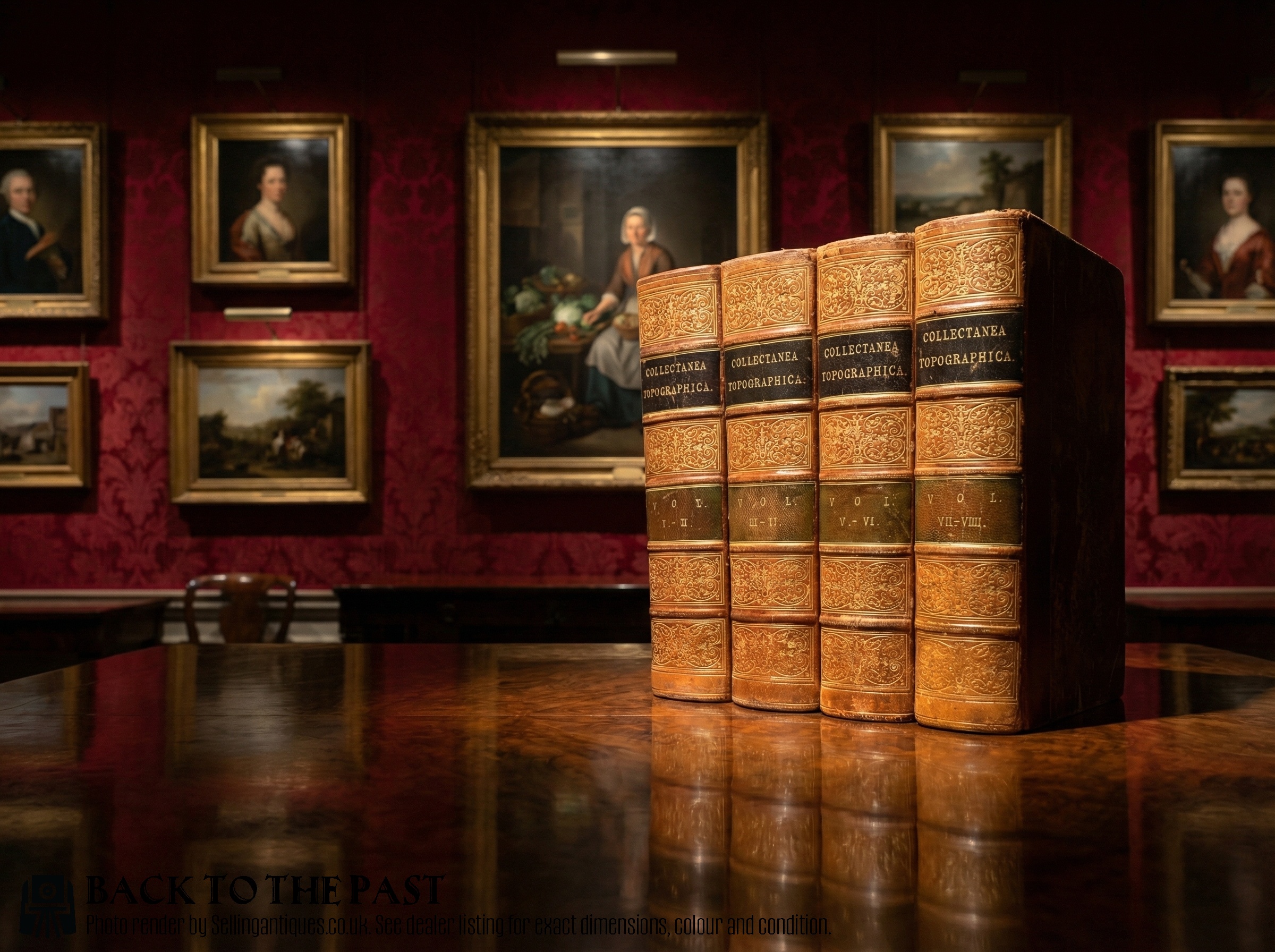
Nineteenth Century Books
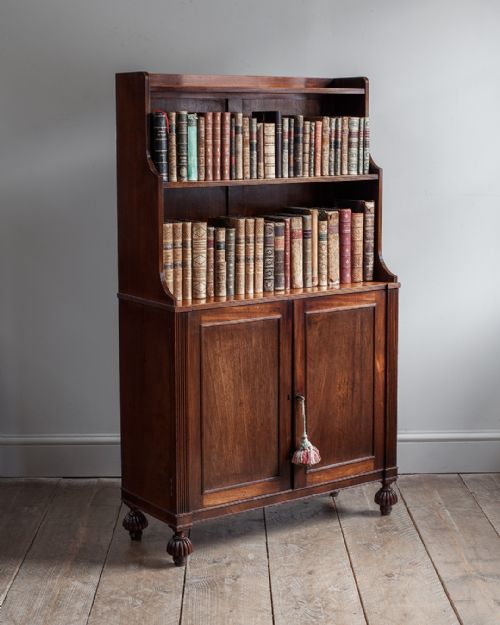
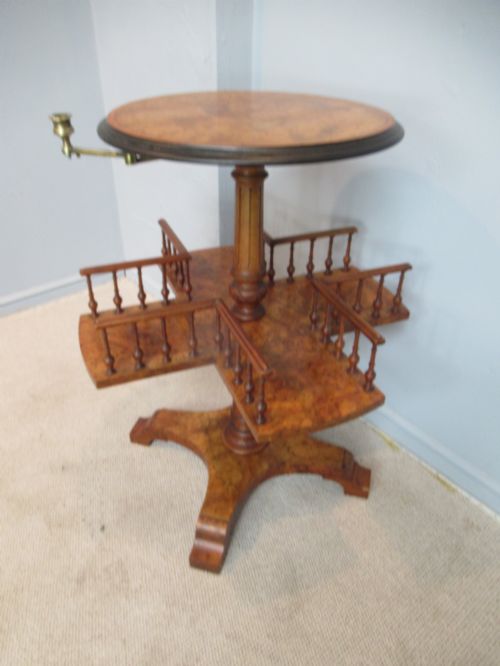
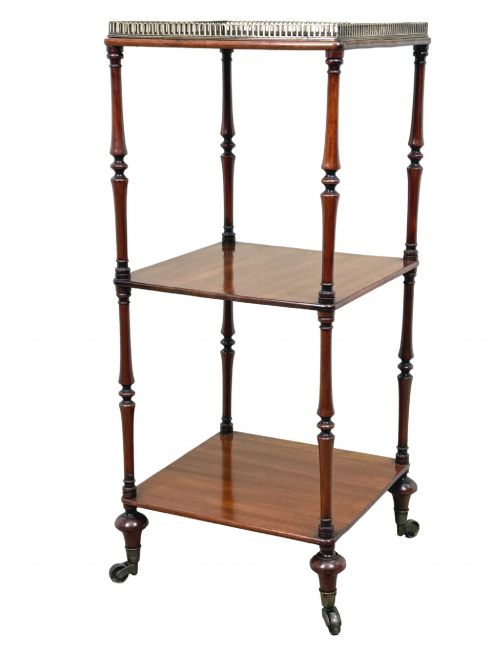
When you search for nineteenth century books, you enter a field defined by bound volumes, complete sets like Waverly Novels, and the library furniture built to house them. The pieces you meet most often on this page range from mahogany and rosewood bookcases to practical desk accessories and book slides.
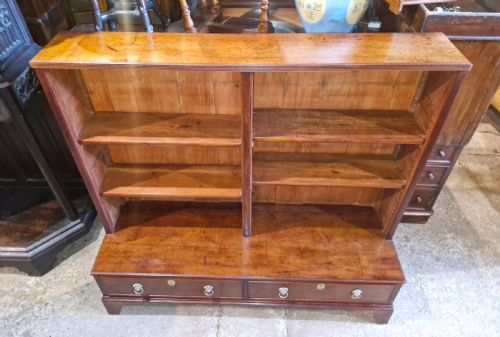
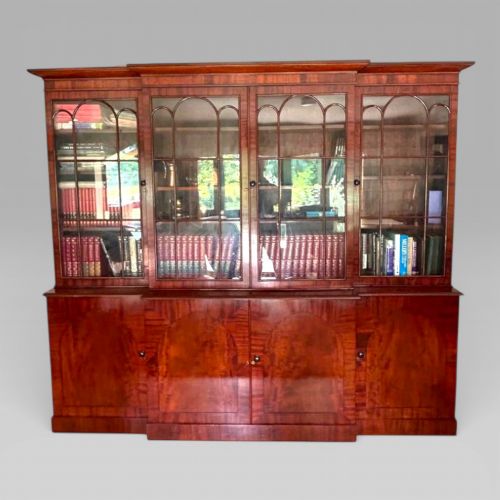
Origins vary from standard domestic pieces to substantial breakfront library bookcases commissioned for specific country houses. The form changes from dwarf bookcases and waterfall units to large open shelving and cabinets with glass or solid doors.
Materials and construction
Cabinetmakers of the period relied heavily on dense hardwoods such as mahogany, rosewood, walnut, and oak, often utilising figured veneers like burr walnut or pollard oak for visual interest. Brass mounts, leather accents, and parcel gilding appear frequently on finer items.
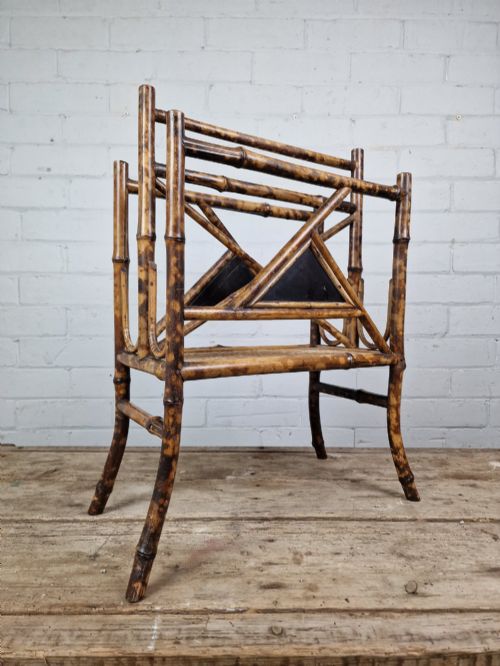
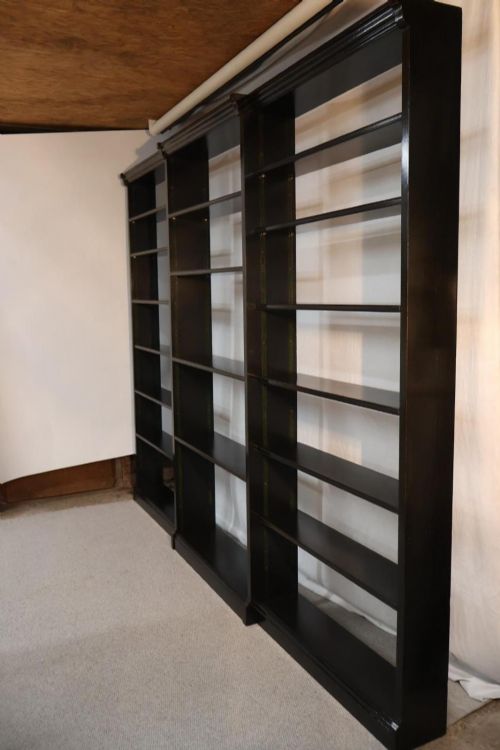
Joinery techniques varied from robust solid wood construction to precise veneering over secondary timbers, with attention given to carved details and adjustable shelving mechanisms. Ebonised finishes and bamboo also appear in pieces reflecting later aesthetic and Gothic revival tastes.
The listings show nineteenth century books and library furniture executed in mahogany, rosewood, oak, walnut, and pine across Regency and Victorian periods.
Judging quality in period pieces
Quality separates ordinary utility pieces from exhibition grade furniture through the selection of timber, the crispness of hand carving, and the integration of secondary woods. Finer bookcases and library tables display superior figure in the wood grain and sophisticated proportions.
Makers' marks or attributions to established cabinetmakers elevate specific pieces, distinguishing standard workshop production from exceptional commissions. The integrity of original surfaces, such as polished mahogany or rosewood, dictates how well a piece retains its character.
Gillows·Holland & Sons·Icilio Federico Joni
The Nineteenth Century Books Glossary
- Breakfront
- A piece of furniture where the central section projects forward from the flanking sections. This configuration is common in large nineteenth century library bookcases.
- Book slide
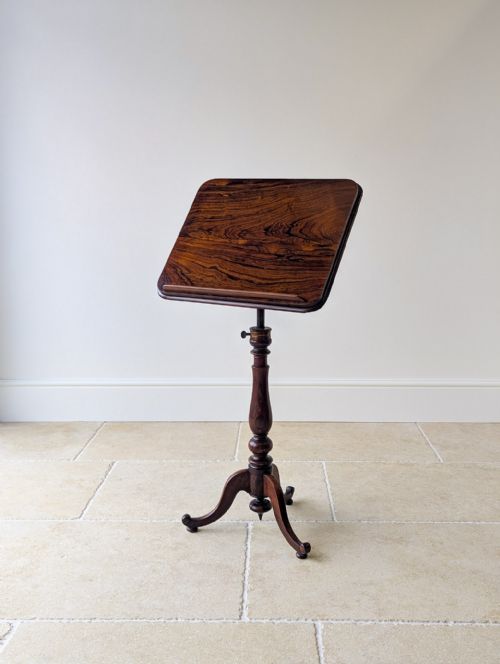
- An expanding stand placed on a desk or table to hold a small selection of volumes upright. They often incorporate materials like coromandel, brass, and pietra dura.
- Waterfall bookcase
- A set of open shelves that progressively deepens from top to bottom, often featuring tiered sides. This form is frequently executed in mahogany during the Regency period.
- Ebonised
- Wood treated with a dark finish to imitate ebony. This technique is prominent in nineteenth century aesthetic and revival furniture.
Nineteenth Century Books: Frequently Asked Questions
What defines a Regency bookcase?
Regency bookcases typically feature clean architectural lines, often constructed from rich mahogany or rosewood with minimal brass inlay. They range from compact dwarf versions to larger library units.
Many incorporate open shelves, brass gallery rails, or glass panel doors, reflecting the classical revival tastes of the early nineteenth century.
How do I use a book slide?
A book slide is placed on a desk, table, or shelf to keep a row of volumes neatly contained and upright without needing bookends. Expanding ends allow the holder to adjust as volumes are added or removed.
They function as both practical desk accessories and decorative objects, frequently embellished with brass, pietra dura, or carved wood.
What is a dwarf bookcase?
A dwarf bookcase is a low piece of furniture designed to sit beneath dado height, keeping books within easy reach without dominating the wall space. These units are common in nineteenth century drawing rooms and studies.
They appear in open formats or enclosed behind glazed doors, often utilising figured mahogany, walnut, or rosewood.
What distinguishes Gothic Revival oak?
Gothic Revival oak furniture draws inspiration from medieval architecture, featuring pointed arches, quatrefoils, and heavy carved details. This style gained popularity during the Victorian era for libraries and ecclesiastical settings.
Pieces like open bookcases and cabinets utilise solid oak to project durability and historic reverence.